
Last updated November 25, 2026
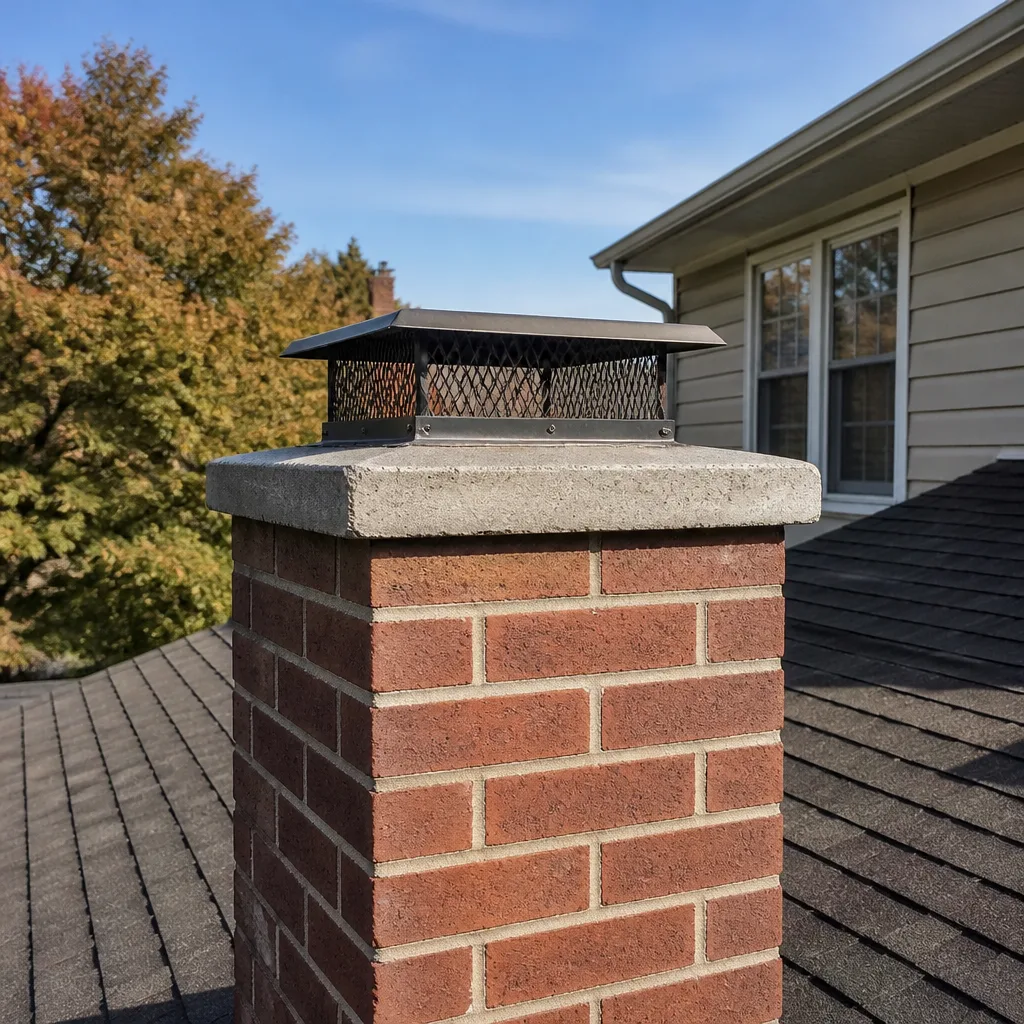 Sweep & inspection
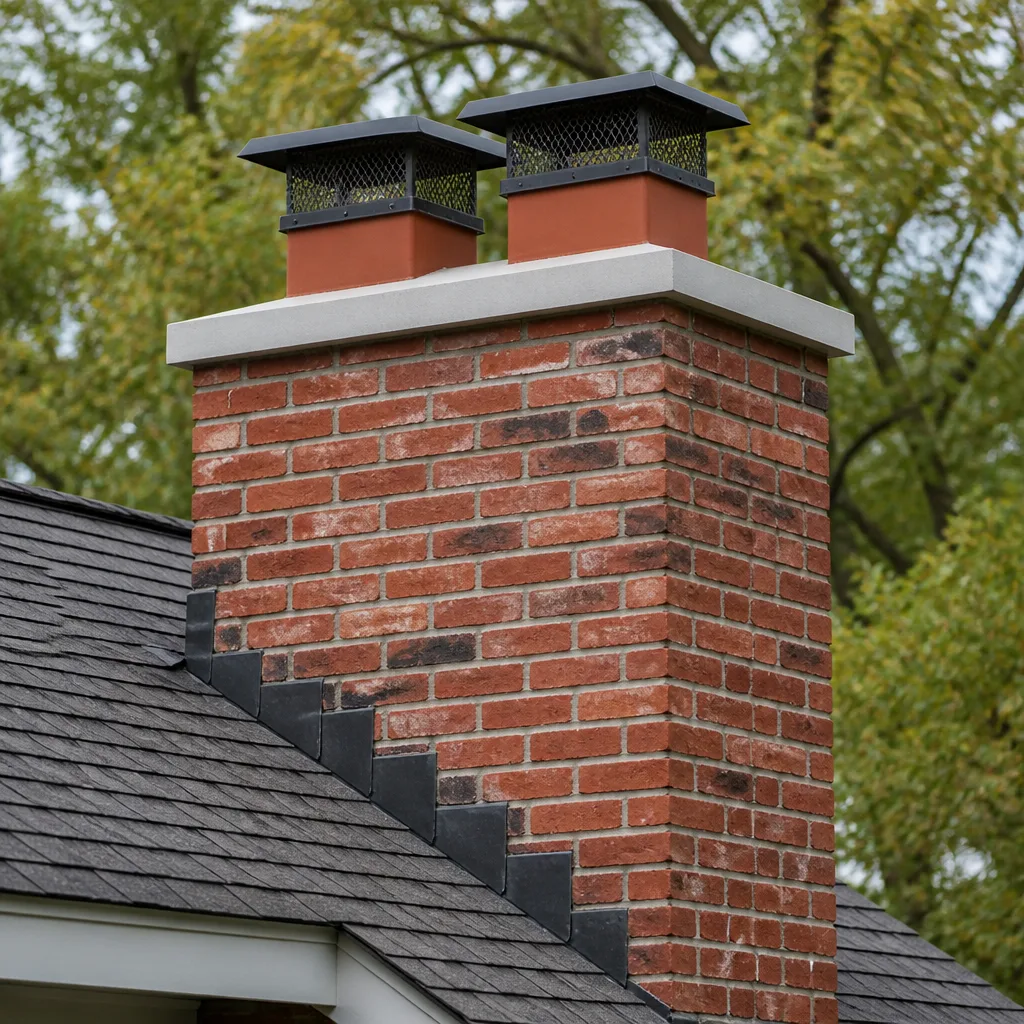 Caps & crowns
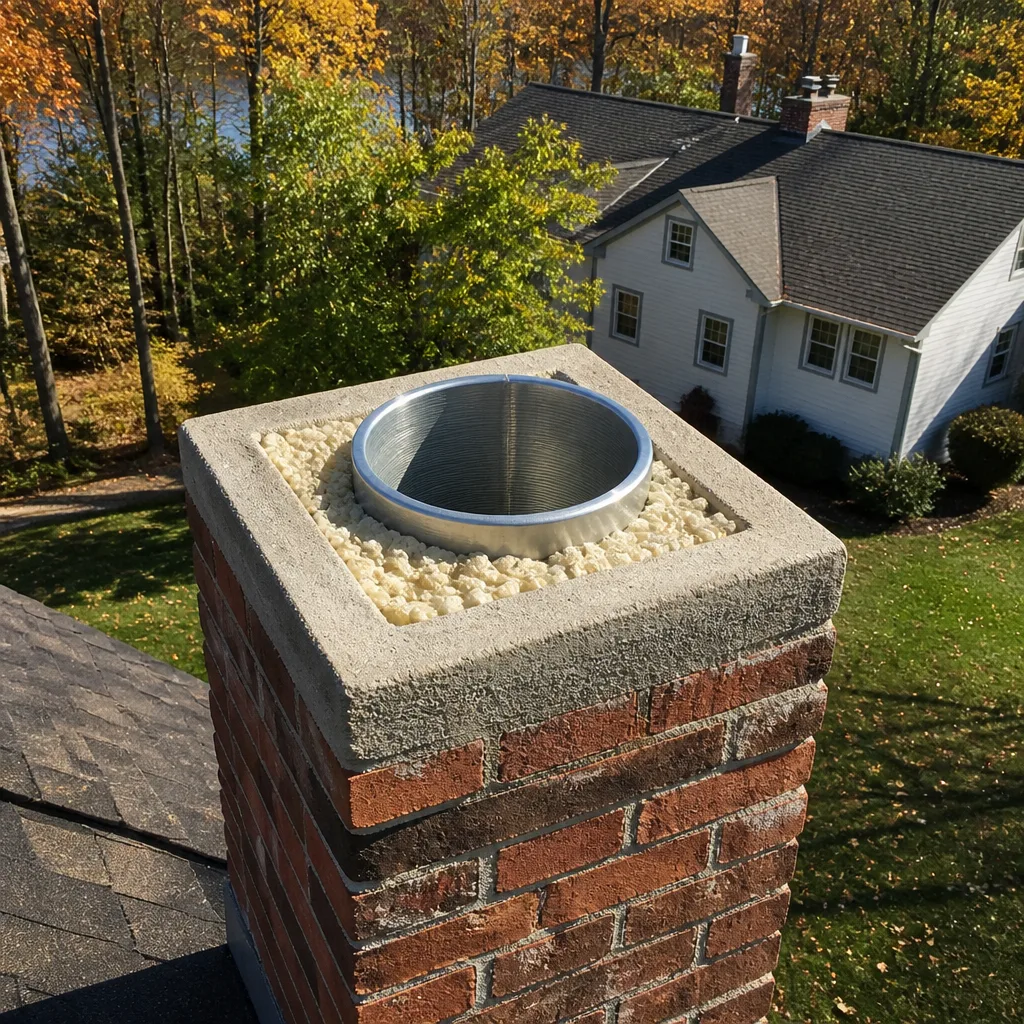 Flue relining
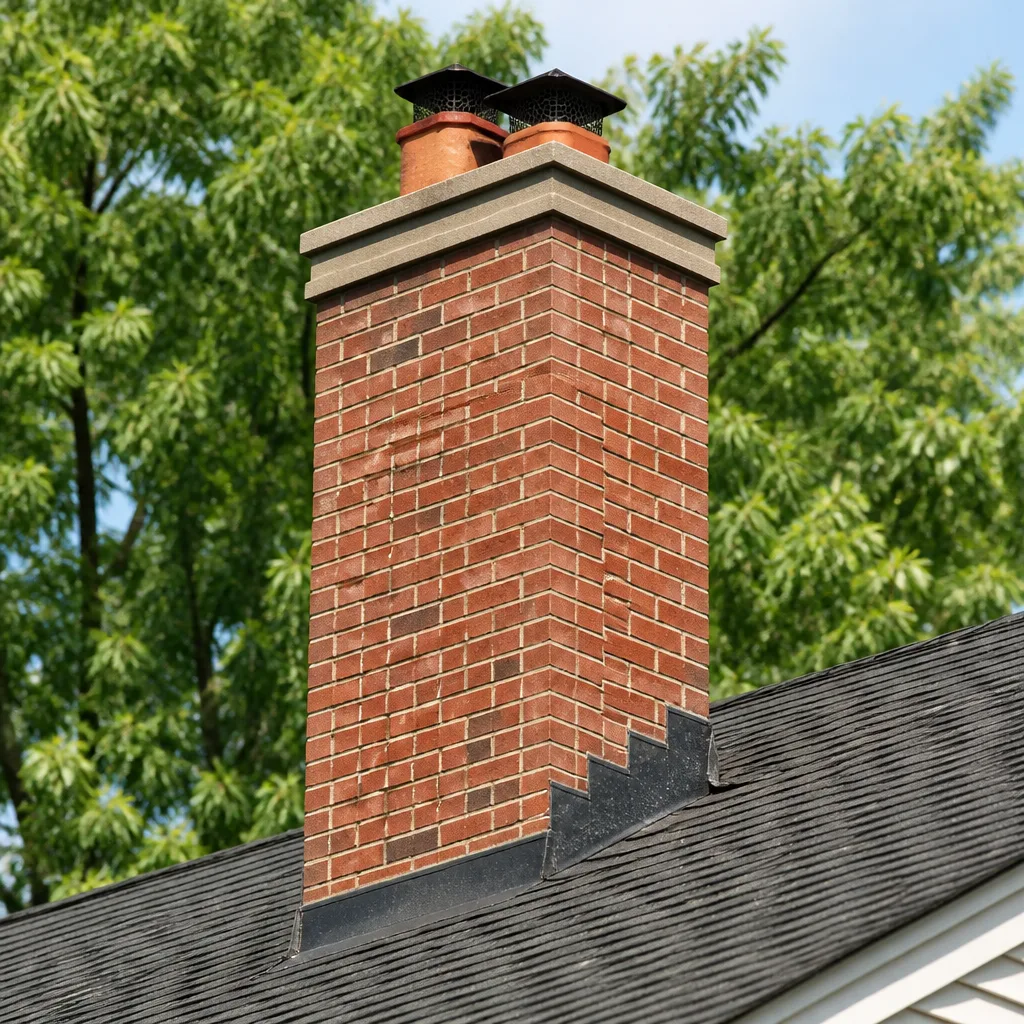 Masonry repair
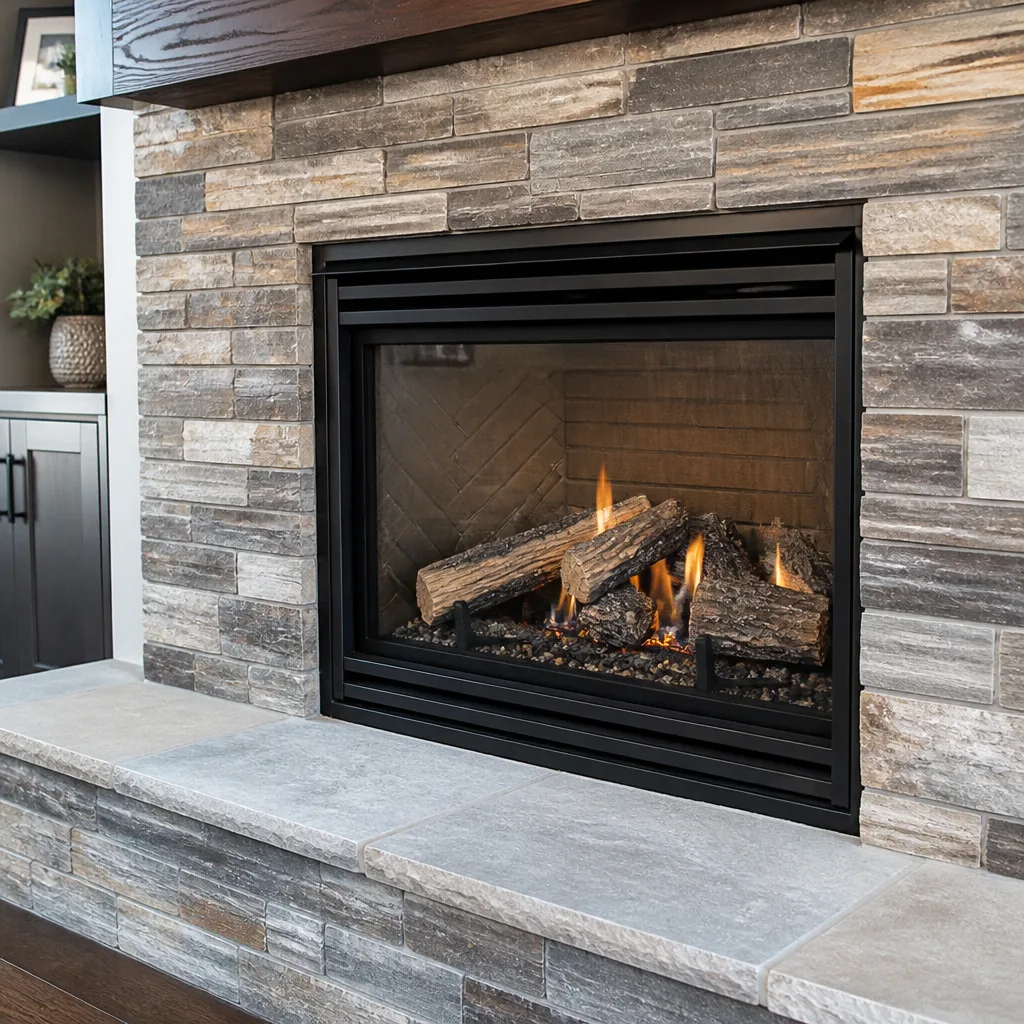 Gas fireplace service
Level 1 sweep and inspection to the NFPA 211 annual standard - flue, crown, cap, and flashing checked and photographed
Chimney sweep logs do not sweep chimneys. They loosen some creosote - which then falls where a brush and vacuum still have to collect it.
Chimney Cleaning Permits, Codes & Inspections in Edmonds, WA: What You Need to Know
Most homeowners assume the permit question starts and ends with the sweep. It doesn’t. In Washington, the act of cleaning a chimney is treated as routine maintenance and generally needs no permit at all, yet the repairs that a cleaning so often reveals – a cracked flue liner, a failing firebox, a missing cap – frequently land on the other side of that line. When a relining or rebuild happens without the proper Snohomish County permit, the trouble usually surfaces years later, at resale or after a flue fire, when an insurer asks who signed off on the work. This guide maps exactly where the permit line sits, which NFPA inspections Edmonds homeowners are actually required to get, and what paperwork to keep.
Quick Answer
In Edmonds, WA, chimney cleaning itself does not require a permit, but structural repairs that a cleaning uncovers – flue relining, firebox rebuilds, chimney cap and crown installation where the chimney structure is altered – often require a permit through Snohomish County or the City of Edmonds, depending on the scope. Inspections follow NFPA 211, and the level of inspection (I, II, or III) depends on what’s being evaluated and whether a property is changing hands.
Styles & brands we work with
- Sweep & inspection
- Caps & crowns
- Flue relining
- Masonry repair
- Gas fireplace service
Table of Contents
- Does Chimney Cleaning Require a Permit in Edmonds?
- What NFPA 211 Requires and Why It Matters Here
- The Three NFPA Inspection Levels and When Each Is Required
- Which Chimney Repairs Trigger a Permit in Snohomish County
- How Edmonds Coordinates With the County on Fireplace and Wood-Stove Compliance
- What Documentation to Keep for Resale Disclosure
- What a Code-Compliant Inspection Looks Like, Start to Finish
- The Real Cost of Unpermitted Chimney Work
Does Chimney Cleaning Require a Permit in Edmonds?
No. A chimney sweep – the act of removing creosote, soot, and debris from the flue using brushes and a vacuum – is classified as routine maintenance in Washington and does not require a building or mechanical permit in Edmonds. You can have your chimney swept as often as needed without any filing with the city or county.
Where homeowners get confused is at the boundary between cleaning and repair. A sweep who finds a deteriorated flue liner and replaces it is now doing structural work, and that work falls under different rules. The same applies to rebuilding a firebox, replacing a damaged chimney crown, or installing a new cap in a way that modifies the chimney’s structure. Some of those scopes require a permit; others are considered maintenance-exempt. Knowing which is which protects you.
The practical takeaway for Edmonds homeowners: don’t treat “my chimney sweep didn’t pull a permit” as evidence the work was improper. If the visit was cleaning only, no permit was ever in play. The question to ask is what got repaired, and how. Ask any contractor who quotes repair work on your chimney whether a permit will be pulled for the scope they’re proposing.
- Chimney sweep only: no permit required
- Level I or Level II inspection: no permit required
- Cap replacement on an unchanged chimney top: typically maintenance-exempt
- Flue relining: commonly requires a permit
- Firebox rebuild: commonly requires a permit
- Crown replacement with structural alteration: permit scope depends on jurisdiction and how much of the chimney is affected
If you’re unsure where the line falls, call the City of Edmonds permit desk before work starts, not after. It’s a two-minute question with a long tail of consequences. And if you’d like a sweep to start with so you know what you’re even looking at, our Chimney Sweep Edmonds page covers how the visit works.
What NFPA 211 Requires and Why It Matters Here
Washington State adopts NFPA 211, the Standard for Chimneys, Fireplaces, Vents, and Solid Fuel-Burning Appliances, as the reference standard for chimney work. In plain terms, that means chimney systems must be inspected, maintained, and repaired according to the standard’s requirements – not according to whatever a contractor feels like doing.
The most important piece for homeowners is documentation. NFPA 211 expects that after a chimney cleaning or inspection, the findings are recorded and passed to the property owner. Not verbally. In writing. A report that says “chimney swept, moderate creosote” and nothing else falls short of what a proper inspection produces. You want a report with the inspection level stated, conditions observed, photographs where relevant, and recommendations with reasoning.
For Edmonds, this matters in two specific ways:
- Older housing stock: Edmonds has a substantial number of mid-century and older homes near the waterfront and in the bowl, and many have masonry chimneys that predate current code. NFPA 211 inspection documentation is how you find out whether your flue meets today’s clearances and liner requirements.
- Insurance and resale: Insurers and buyers increasingly ask for written evidence that the chimney was inspected to a recognized standard. A report that names NFPA 211 and states the inspection level carries weight. A scribbled invoice does not.
We inspect before we recommend. That’s not a slogan – it’s how NFPA 211 works in practice. If a contractor tells you your liner is shot without showing you the video from the flue, ask for the report first.
The Three NFPA Inspection Levels and When Each Is Required
NFPA 211 defines three levels of chimney inspection, and which one you need depends on what’s being evaluated. Many homeowners only know they’re being “inspected” without knowing which level is happening. Here’s the breakdown.
Level I Inspection
A Level I inspection covers readily accessible portions of the chimney, firebox, and connected appliance, without tools that would damage the chimney. It’s the standard inspection that accompanies an annual sweep. Level I is appropriate when conditions haven’t changed – no new appliance, no chimney fire, no change of fuel type, and no property transfer.
Level II Inspection
A Level II inspection is more thorough and includes the accessible portions plus any part that can be examined without cutting into the structure – typically using a video camera to view the flue interior. Level II is required when:
- A property is being sold or transferred
- A new appliance is installed or the fuel type is changed
- After a chimney fire or suspected chimney fire
- After an event that may have damaged the chimney (earthquake, nearby structural work, prolonged water intrusion)
- When a Level I reveals a problem that needs closer evaluation
For Edmonds homeowners selling a home, this is the one you’ll be asked for. Many insurers now ask for it on purchase.
Level III Inspection
A Level III inspection is diagnostic and may involve removing parts of the chimney or building to access concealed areas. It’s rare and only warranted when a serious hazard is suspected – for example, an ongoing leak whose origin can’t be located, or evidence of structural failure inside the chimney’s concealed portions. Level III is typically the last step after Level I and II findings indicate it’s necessary.
If you haven’t had any inspection in recent years and aren’t sure which level you need, the safe default is a Level II – it answers most of the questions a Level I can’t, and it’s what most buyers will ask about. Our chimney sweep visits include a Level I inspection and photo documentation as standard.
Which Chimney Repairs Trigger a Permit in Snohomish County
The clean way to think about permits is by scope, not by which trade is doing the work. Maintenance-exempt work is what you’d do to keep an existing, correctly installed system operating. Permit-required work is what alters or replaces a structural component of that system. Here’s the practical map.
Repairs that are typically maintenance-exempt:
- Chimney sweep and cleaning
- Level I, II, or III inspection
- Minor cap or spark arrestor replacement where the chimney structure isn’t altered
- Minor flashing repairs at the roofline
- Fireplace damper adjustment or replacement on an unchanged firebox
Repairs that typically require a permit through Snohomish County (or the City of Edmonds when the local authority has jurisdiction):
- Installation of a new flue liner, including a flexible relining system
- Firebox rebuild or firebox structural repair
- Chimney crown reconstruction when masonry is being tied into the chimney structure
- Chimney height changes or rebuild of the upper portions
- Changes to flue sizing or appliance connection that affect clearances
Which jurisdiction handles the permit depends on where the property sits. Edmonds has its own building department and also sits within Snohomish County, and depending on the scope and where the home is located, either may be the authority having jurisdiction. The right move is to ask the contractor which permit they’ll pull and with which authority before signing anything. A contractor who does permit work regularly will have a straightforward answer.
The professional-grade materials matter here too. When a relining job involves a DuraFlex flexible liner system, or a HeatShield resurfacing of a deteriorating flue, those are the kinds of repairs that fall under permit scope. We use HeatShield specifically because it can restore a compromised liner without a full teardown in chimneys that qualify – a repair path that is easier on the house but still subject to the same permit rules as any other structural liner work.
How Edmonds Coordinates With the County on Fireplace and Wood-Stove Compliance
Edmonds is a city within Snohomish County, and both layers of government have a hand in how chimneys, fireplaces, and wood stoves are regulated locally. For older homes in particular – and Edmonds has a lot of them, especially in the neighborhoods around the ferry terminal and up the hill – the overlap is worth understanding.
Building permits for structural chimney work generally run through the City of Edmonds when the property is within city limits. Snohomish County handles unincorporated properties and, in some cases, specific scopes that cross jurisdictional lines. Air-quality and solid-fuel-burning-appliance rules may also come into play through state and regional air-quality requirements, which affect wood stove installations and replacements. That’s three sets of rules, and the answer to “which one applies” depends on where you live and what you’re doing.
For older Edmonds homes, the compliance question usually isn’t about the permit for a repair – it’s about whether the existing fireplace or wood stove ever met code in the first place. Common findings in older houses:
- Clay flue tile that has cracked from decades of heating and cooling
- Missing or deteriorated crown that lets water into the chimney structure
- A fireplace insert installed without a properly sized stainless liner
- Clearances to combustible framing that were accepted at the time but don’t meet current standards
If you’re renovating, selling, or just want a clear picture of what you have, ask for a Level II inspection first. The report will tell you whether current code applies to what you have, and whether a permit will be required to bring it into compliance. We work with Gelco and Olympia Chimney products on the flashing and venting details that older homes often fail on, and the techs we connect you with have up to 14 years of experience reading those conditions in Edmonds housing.
What Documentation to Keep for Resale Disclosure
Washington requires sellers to disclose known material facts about the property. Chimney condition is one of them, and having the right paperwork makes that disclosure defensible. If you can’t produce anything, the buyer’s inspector will ask for it, and if it’s not available, the buyer will ask for a credit.
Here’s the paperwork worth keeping, ideally in a single folder (digital is fine):
- Most recent inspection report stating the NFPA 211 level (I, II, or III), findings, and recommendations
- Cleaning records showing date of sweep and condition of the flue at time of cleaning
- Permit numbers and final inspection sign-offs for any structural repair work – relining, firebox rebuild, crown work, cap installations that required a permit
- Photographs or video of the flue interior from any Level II inspection or major repair
- Manufacturer documentation for any installed products – liner spec sheets, cap and crown material specs, appliance manuals
- Records of any chimney fire event and what was done after, since this affects the validity of future disclosures
Retain all of it for the life of your ownership. A permit sign-off from ten years ago is still relevant if a buyer’s inspector flags that liner. A report that can’t be produced turns into a negotiating point against you. Build the folder as work happens and you never have to reconstruct it.
What a Code-Compliant Inspection Looks Like, Start to Finish
If you’ve never had a proper inspection, the sequence below is what a compliant, documented visit includes. This is how we scope every visit, from the firebox to the crown.
- Pre-inspection interview: We ask about your appliance, fuel type, last service, any chimney fires or leaks, and any changes since the last inspection. These answers determine whether we’re doing a Level I or a Level II.
- Exterior evaluation: Roof-level and ground-level visual check of the chimney stack, cap, crown, and flashing for water intrusion points, cracked masonry, and deteriorated joints.
- Firebox and damper check: Firebox condition, damper operation, clearances to combustibles, and visible signs of heating damage.
- Flue interior inspection: Video camera inspection of the flue to observe the liner, joints, and any glazing or creosote buildup. We record what we see and share it with you.
- Cleaning if needed, using brushes and a HEPA vacuum, with drop cloths and full containment.
- Written report and photo documentation: findings, conditions categorized by urgency, recommendations with reasoning, and a post-inspection written communication within the hour of the visit.
If the inspection reveals repair needs, you get the findings in writing before any recommendation is made. Anything we suggest as necessary is backed by the camera evidence from your own flue, so you can verify it against the video yourself. If a repair can wait, we say so. Our chimney repair scoping starts with that inspection, not with a sales call.
The Real Cost of Unpermitted Chimney Work
A relining done without a permit isn’t just a code issue – it’s a paper issue. When an insurance claim is filed after a flue fire in unpermitted work, the insurer’s first question is what documentation supports the installation. If the work was never inspected by the jurisdiction, the claim can be denied on grounds that the installation wasn’t code-compliant. Homeowners typically discover this complication after the fire, not before.
The exposure runs in three directions:
- Insurance denial or limitation: Fire claims in unpermitted chimney work are often contested.
- Resale disclosure: An unpermitted liner installation is a known fact you’ll need to disclose, and buyers will ask for the permit or a discount.
- Secondary damage: Unpermitted work done poorly can introduce its own failure modes – water intrusion, inadequate clearances, improper sizing – that compromise the whole chimney structure.
The remedy is straightforward: any structural repair gets a permit, gets inspected by the jurisdiction, and gets closed out with documentation. We work with DuraFlex liner systems when the chimney needs relining, and those installations follow the same permit path as any other liner work. Built to last, not patched to pass means the paperwork matches the work, and both match what NFPA 211 requires.
Common Mistakes to Avoid
- Assuming the sweep is a code inspector. Many companies offer cleaning and call it inspection. Cleaning is cleaning; inspection under NFPA 211 is a specific service with its own levels and documentation. Ask which one you’re getting before you book.
- Skipping the permit on structural repair. A homeowner instinct to “avoid the permit hassle” usually costs more later. If the work is permit-scope, the permit protects you, and the resale disclosure will need it either way.
- Accepting a repair quote without video evidence. A quote for a liner replacement in Edmonds that isn’t backed by a flue camera inspection is a quote you can’t verify. Ask to see the video before you agree to anything.
- Confusing a clay tile chimney with a lined chimney. Older Edmonds homes often have clay tile flues that were never lined to current standard. A licensed installer can tell you what you have, but only after a proper Level II inspection.
- Ignoring a missing crown or cracked cap. These are the two most common water entry points on a chimney and are relatively inexpensive to address before they cause structural damage. Small repairs done early stay small.
- Not keeping documentation. Inspection reports, permit numbers, and final sign-offs should go in a folder as they happen. When you sell, you’ll want them, and reconstructing them is impossible.
- Hiring a generalist for a chimney-specialist problem. Roofers and general contractors can do some chimney-adjacent work, but chimney systems have their own code standard and their own trade-spec materials. One crew, start to finish is how the documentation stays coherent.
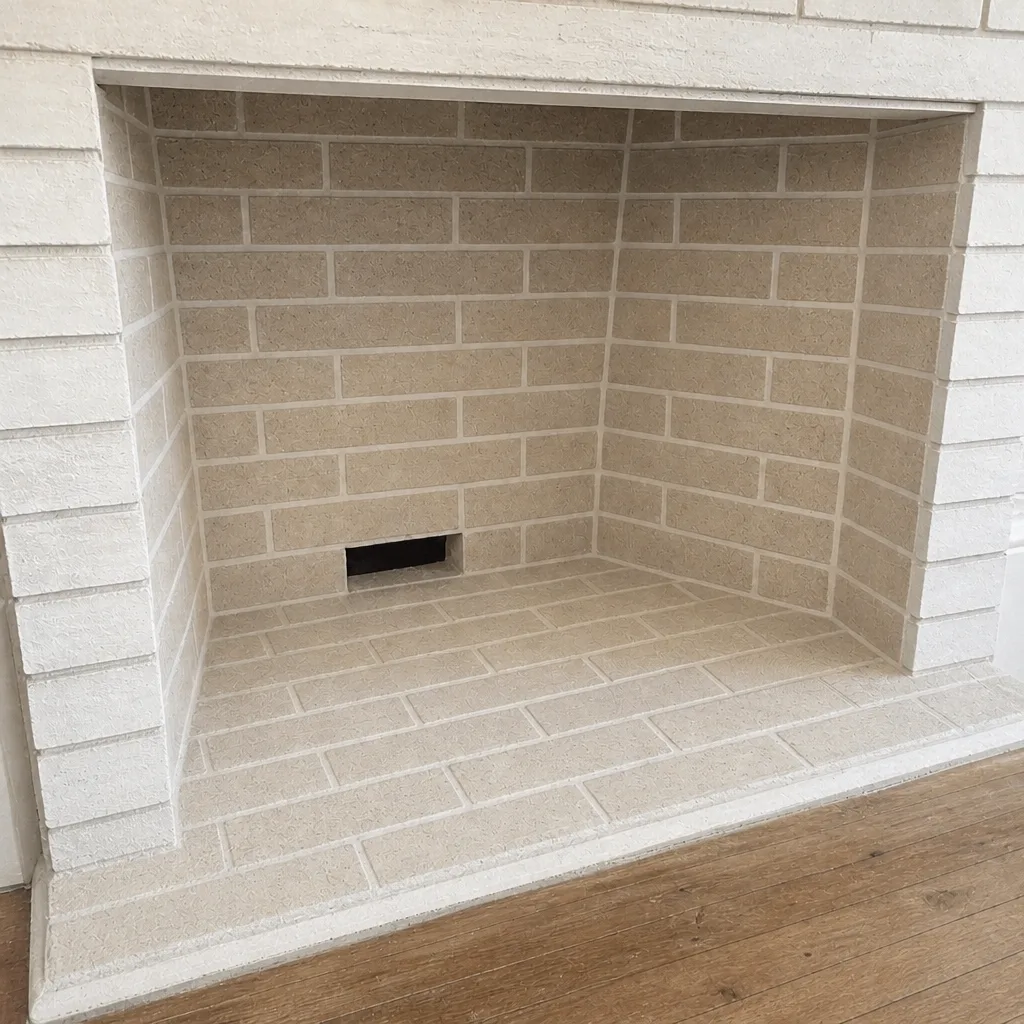
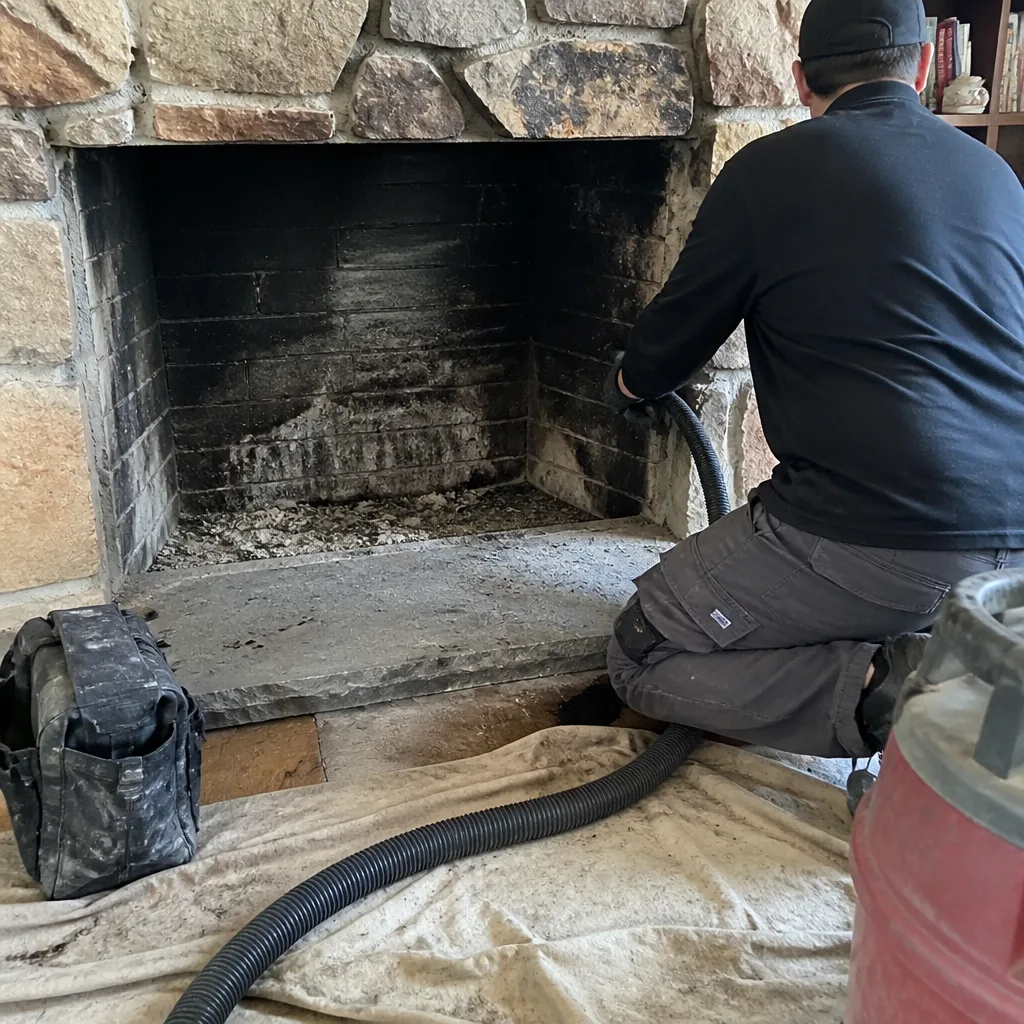
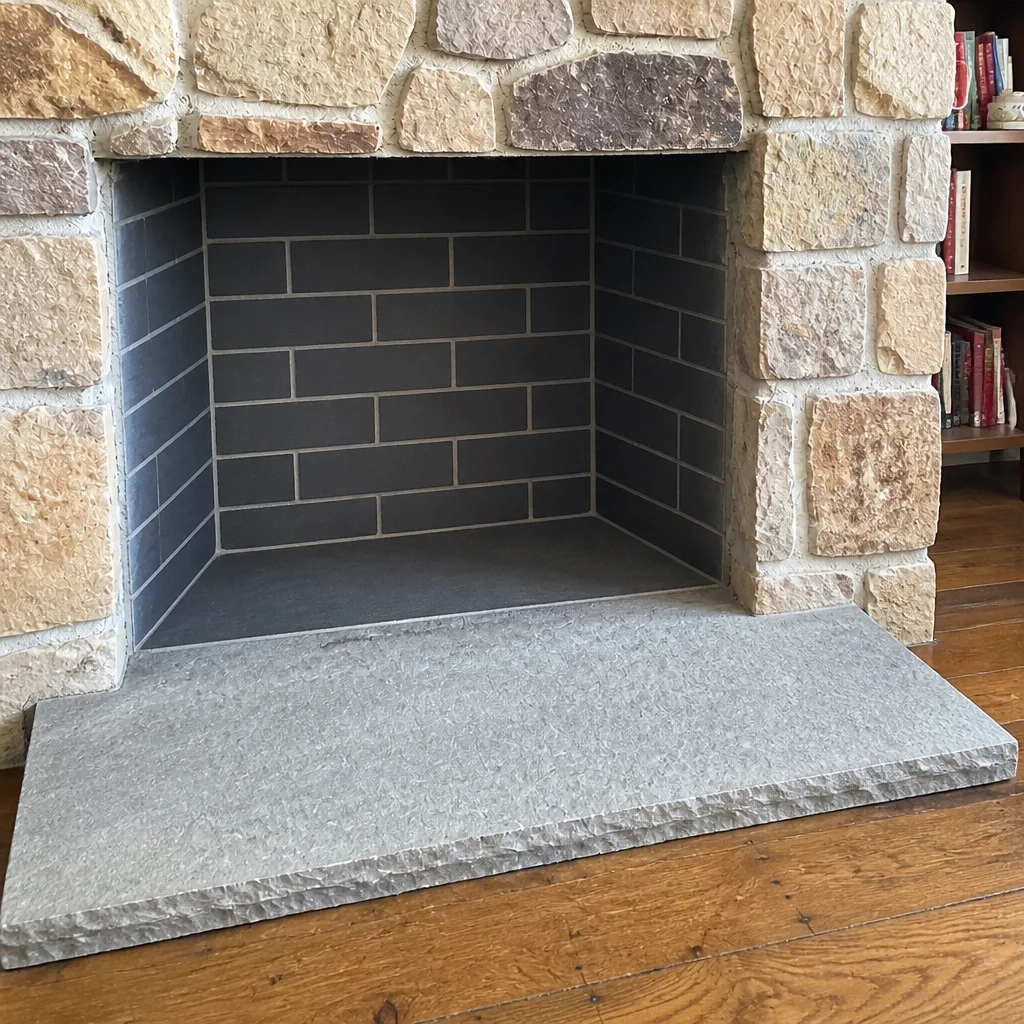
See the difference
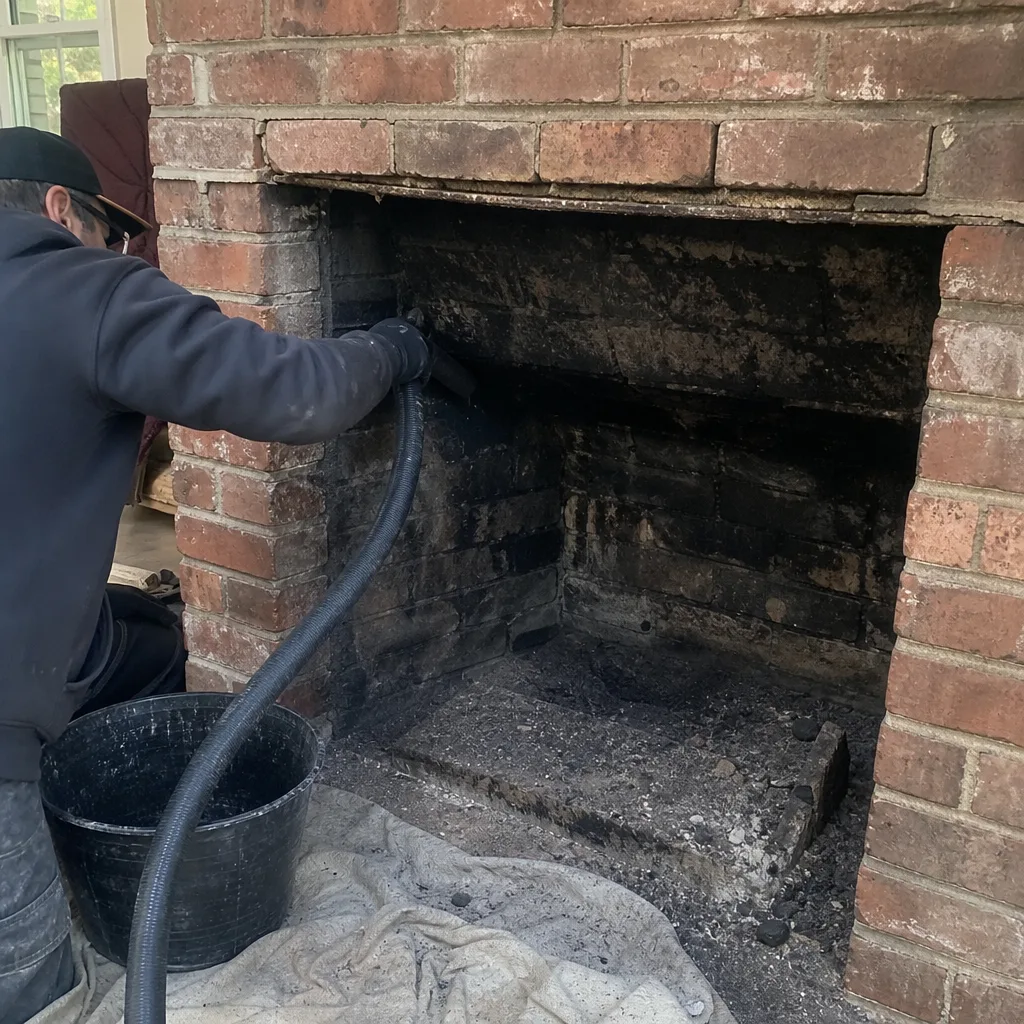 Before
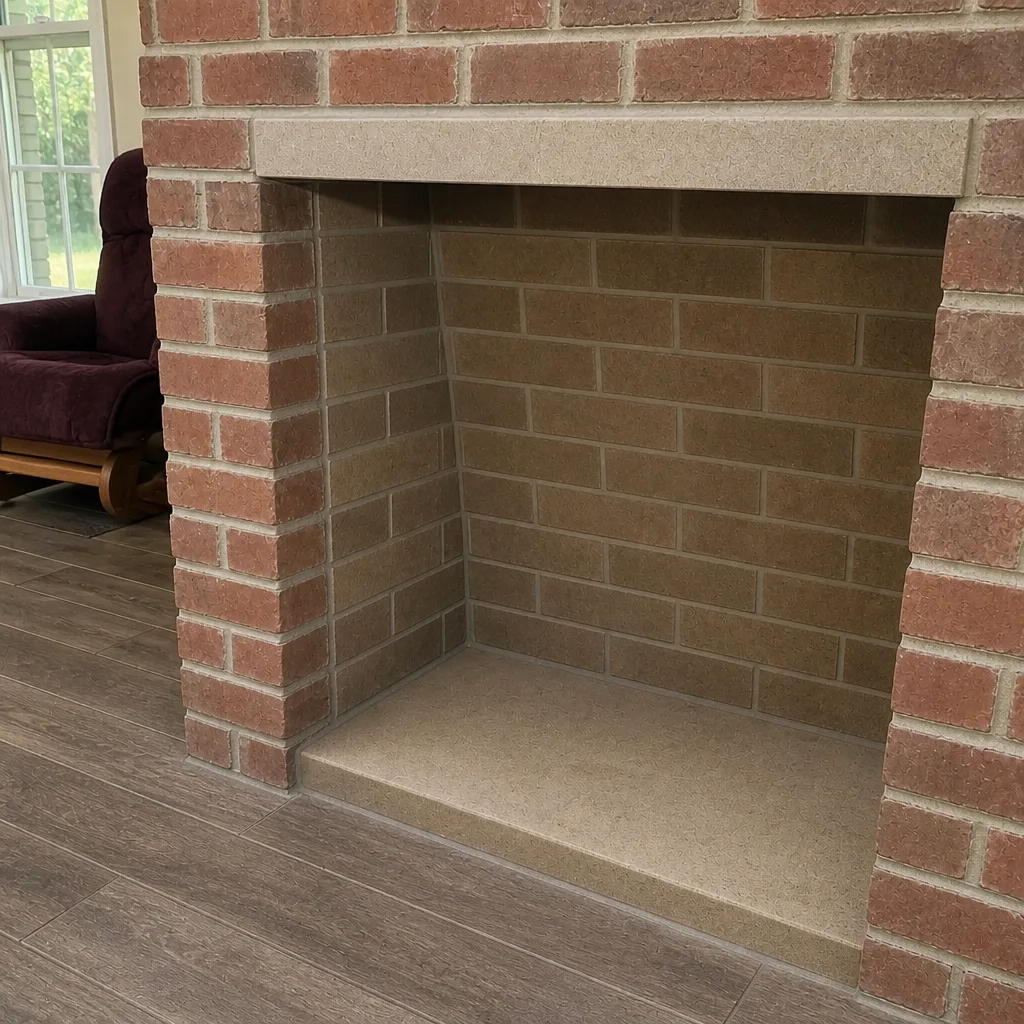 After
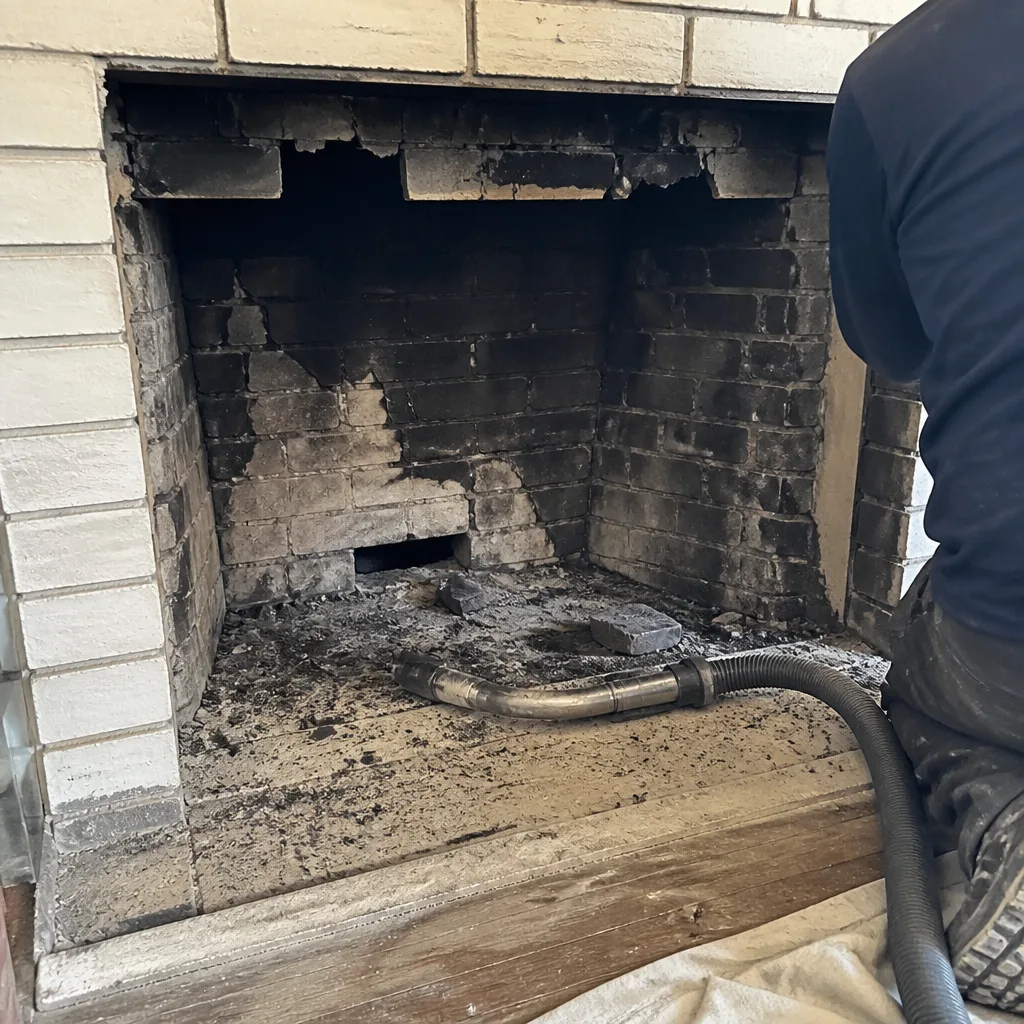 Before
 After
 Before
 After
When to Call a Professional
Call a professional when you smell smoke indoors with the damper open, when you see staining or crumbling masonry at the chimney top, or when a flue fire has occurred – even a small one. Call when you’re buying or selling a home and need a Level II inspection on record, when a wood stove or insert is being installed, or when you haven’t had the chimney inspected in years. Call before having any structural repair done; the permit and inspection step comes first, and a chimney specialist handles that as part of the scope. Chimney Sweep Edmonds offers free estimates in Edmonds – call (855) 726-7158. We answer 24/7. Fast dispatch from 7am to 7pm, Sunday through Friday.
Frequently Asked Questions
No. Chimney cleaning is routine maintenance in Washington and does not require a permit through the City of Edmonds or Snohomish County. A permit enters the picture only when the cleaning reveals structural repair needs – relining, firebox rebuild, or crown reconstruction – and the scope of that repair falls under permit rules. Call (855) 726-7158 for an exact quote – estimates are free.
A sweep removes creosote and debris; an inspection documents the condition of the chimney system to NFPA 211 standards, with a written report and photos. Most cleaning visits include a Level I inspection as part of the service. A Level II inspection adds video camera evaluation of the flue and is required on property transfer or after a chimney fire. Call (855) 726-7158 to book an inspection – estimates are free.
A Level II. NFPA 211 requires a Level II inspection when a property is being transferred, and buyers and their insurers increasingly ask for that documentation at purchase. A Level I report from an annual cleaning is not a substitute. Call (855) 726-7158 for an exact quote – estimates are free.
Usually yes. Installing a new flue liner, whether a flexible stainless relining system or a cast-in-place resurfacing, involves altering a structural component of the chimney and typically requires a permit through Snohomish County or the City of Edmonds depending on jurisdiction. Ask any contractor you hire which permit they’re pulling before work starts. Call (855) 726-7158 for an exact quote – estimates are free.
A chimney fire – even a small one – calls for a Level II inspection to assess damage to the flue and surrounding structure. NFPA 211 treats a chimney fire as a triggering event that warrants more than a routine cleaning. The inspection report will determine whether the liner needs repair, resurfacing, or replacement. Call (855) 726-7158 – estimates are free.
Yes. If a fire originates in unpermitted chimney work, the insurer can challenge the claim on the grounds that the installation wasn’t code-compliant or jurisdiction-inspected. Homeowners often discover this after the fire rather than before. Always keep permit numbers, final sign-offs, and inspection reports so the work can be verified when it matters. Call (855) 726-7158 for an exact quote – estimates are free.
The Bottom Line
Cleaning a chimney in Edmonds needs no permit. Repairing one often does. The line between the two is the most important distinction this guide covers, because the consequences of getting it wrong show up at resale and after a flue fire, not on the day the work happens. Get a documented NFPA 211 inspection, keep the paperwork, and make sure structural repairs are permitted and final-inspected. If a contractor can’t produce the video, the permit, or the report, that’s the signal to walk. If you’d like a sweep to start with so you know what your chimney needs, our fireplace repair and inspection team can scope it in one visit.
Call (855) 726-7158. We answer 24/7. Fast dispatch from 7am to 7pm, Sunday through Friday.
Written by the team at Chimney Sweep Edmonds.