
Last updated November 25, 2026
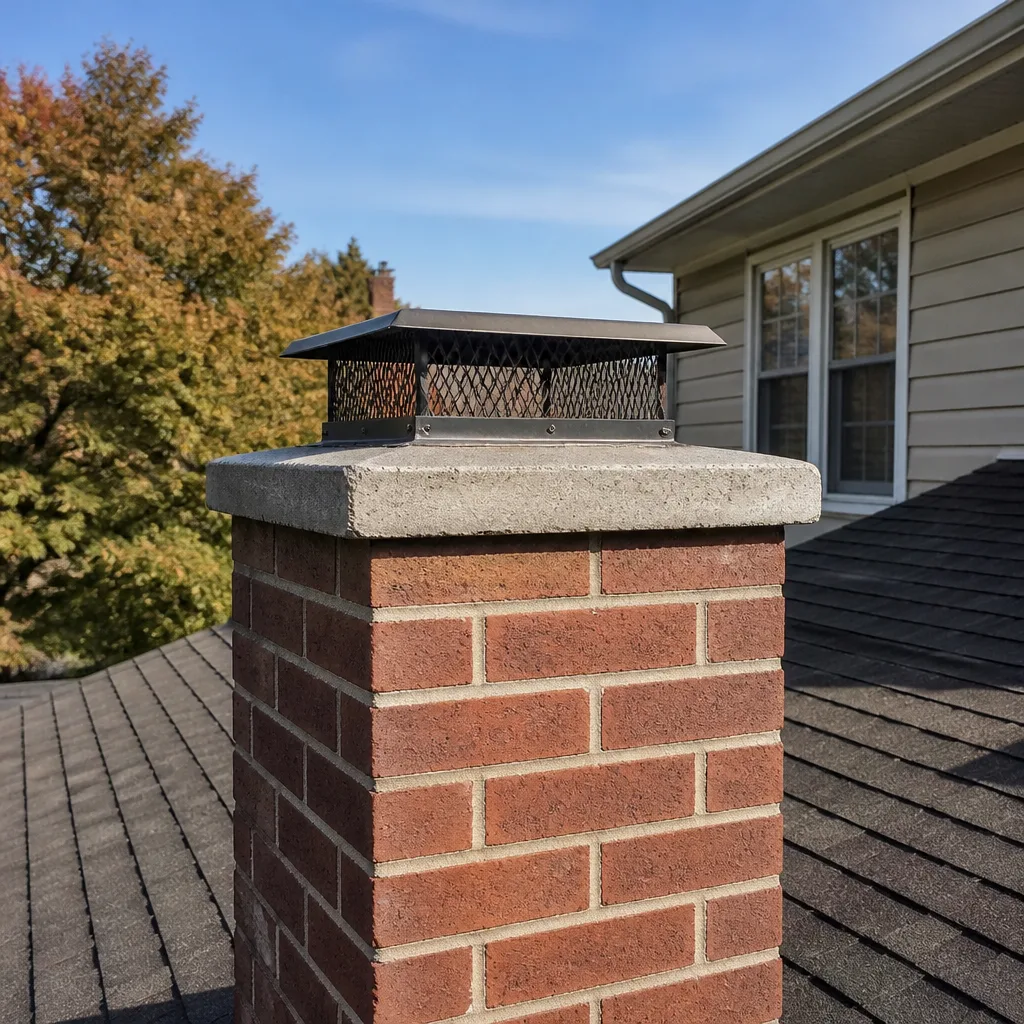 Sweep & inspection
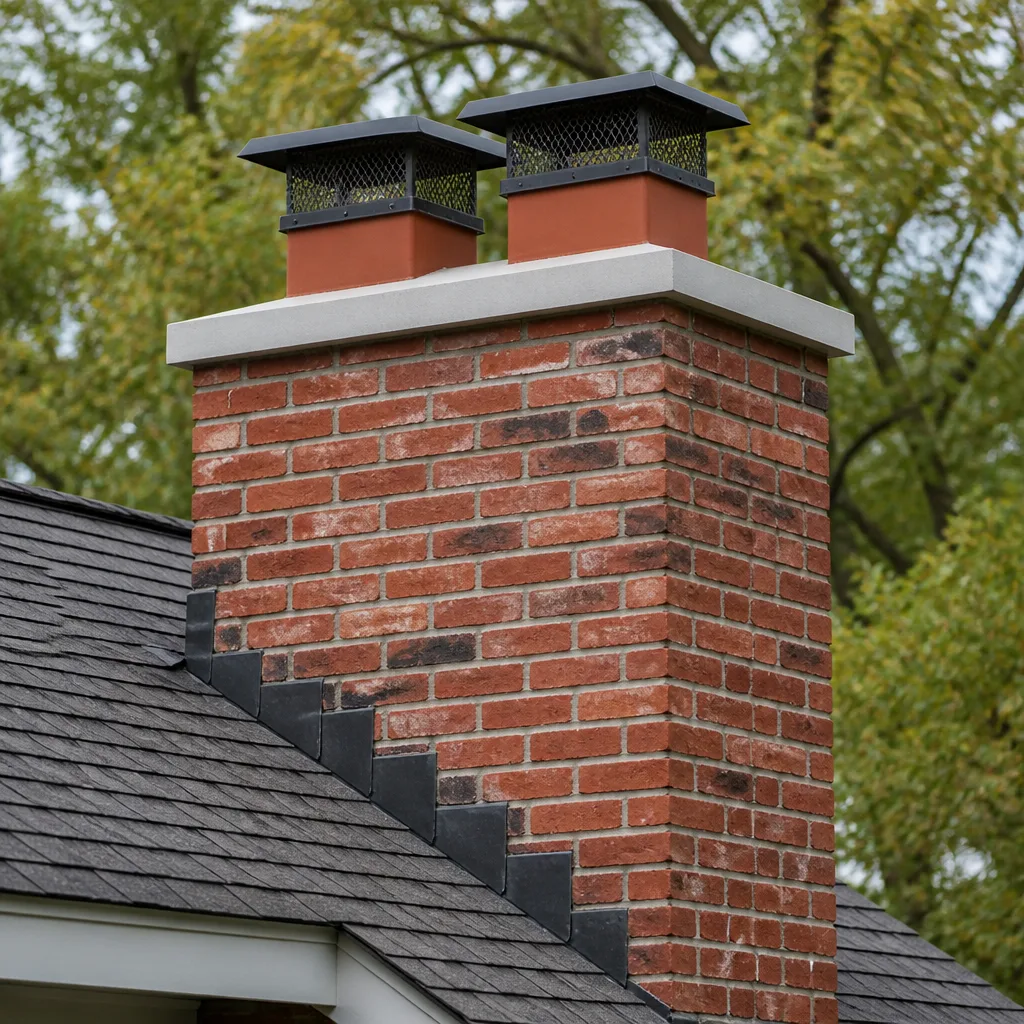 Caps & crowns
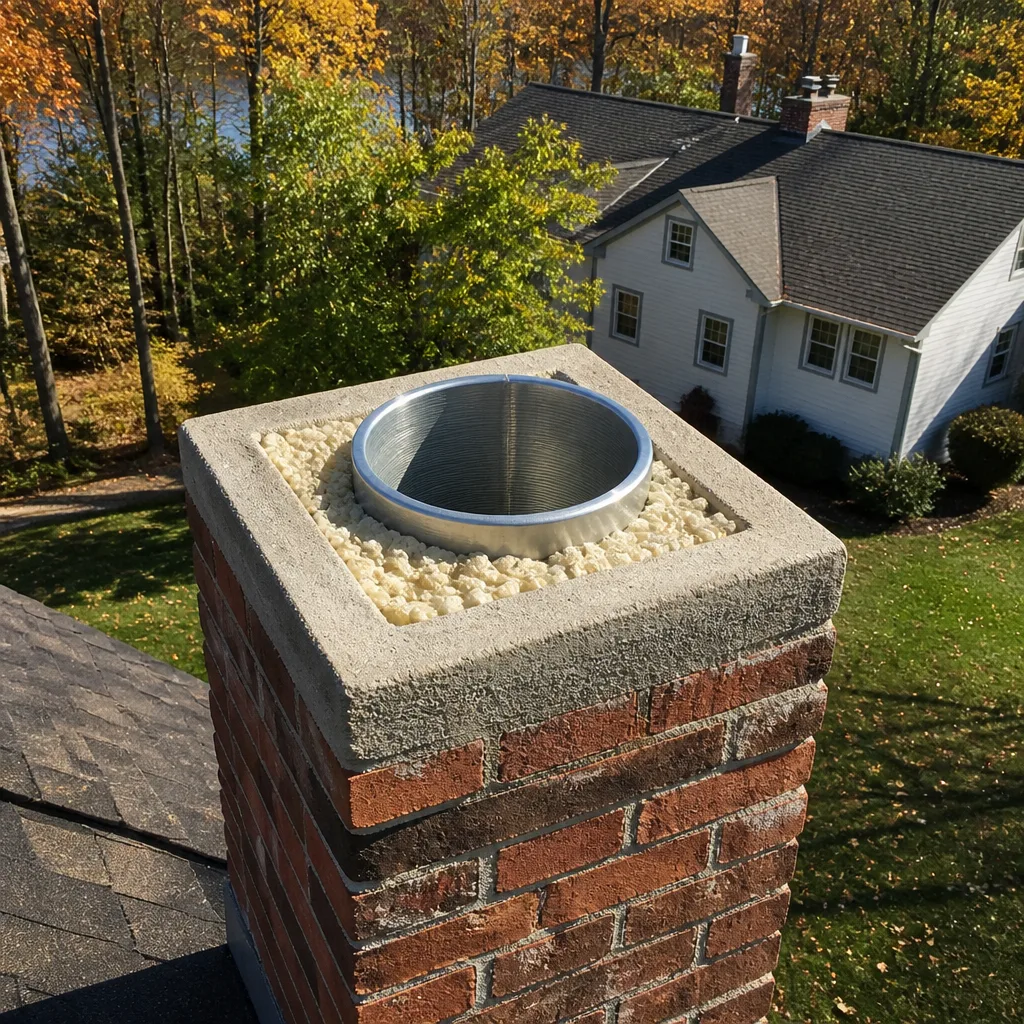 Flue relining
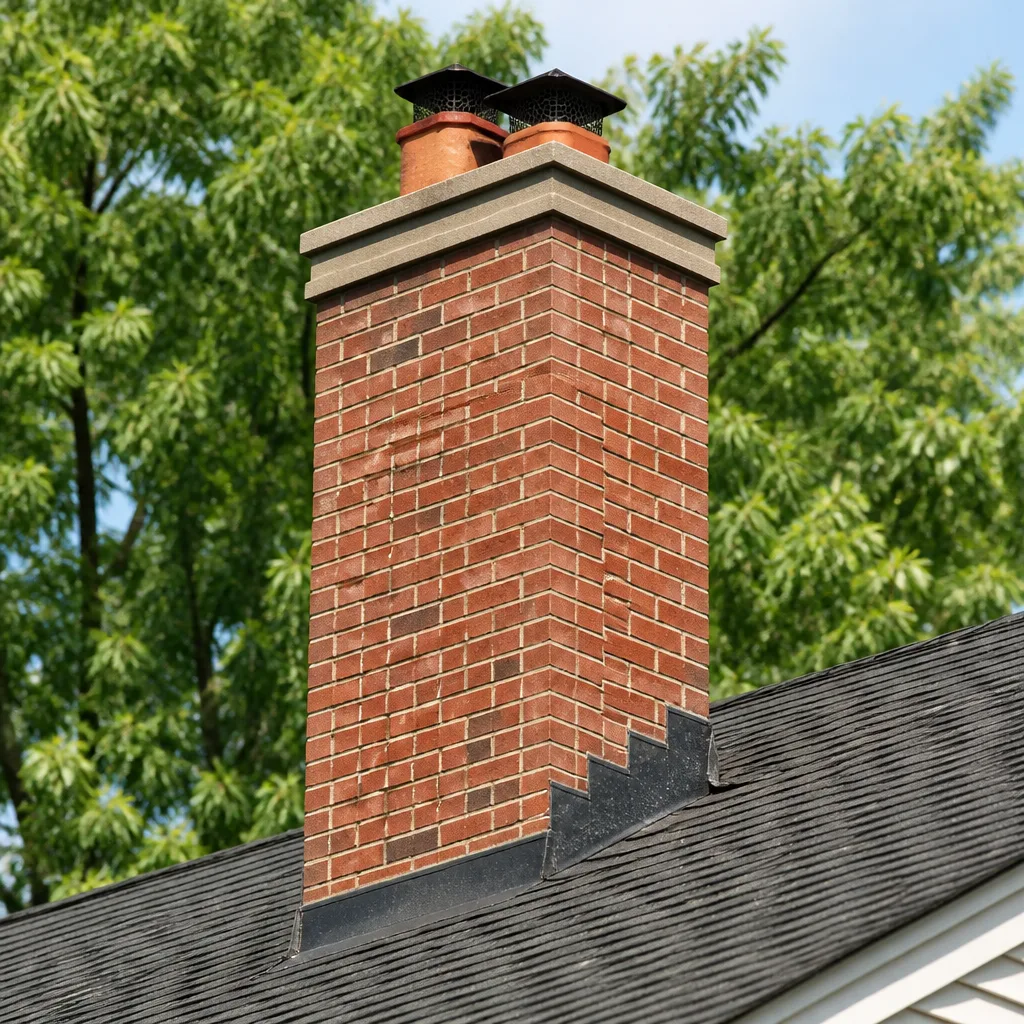 Masonry repair
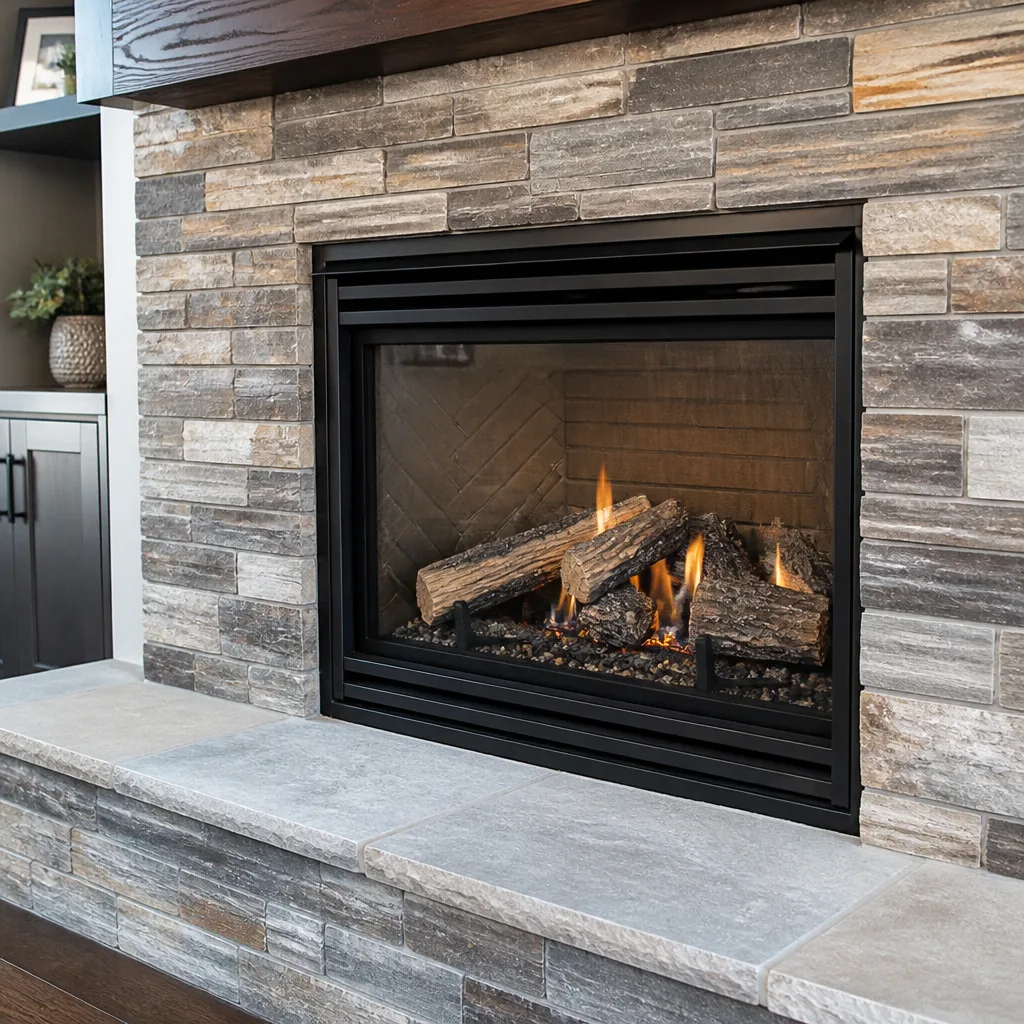 Gas fireplace service
Level 1 sweep and inspection to the NFPA 211 annual standard - flue, crown, cap, and flashing checked and photographed
Chimney sweep logs do not sweep chimneys. They loosen some creosote - which then falls where a brush and vacuum still have to collect it.
Choosing the Right Chimney Cleaning Brand: A Buyer’s Guide for Edmonds
Two chimney crowns rebuilt in the same week on the same Edmonds street can have completely different lifespans. Not because one mason was better than the other, but because one was finished with a professional-grade elastomeric crown coat and the other with a hardware store concrete mix that cracks after a couple of Edmonds freeze-thaw cycles. That gap between trade-spec and retail-spec materials sits at the heart of nearly every chimney repair that fails early. This guide walks you through the material decisions that actually determine how long a chimney lasts, what to ask before you approve any repair, and how to read a contractor’s product spec sheet so you know what’s going into your chimney before work begins.
Quick Answer
The right chimney cleaning brand isn’t the company with the biggest ad budget. It’s the one whose technicians work with professional-grade product lines like HeatShield, DuraFlex, and Olympia Chimney, can show you a material spec before repair work starts, and backs the work with a warranty that names materials and workmanship separately. In Edmonds, where wet winters and freeze-thaw cycles punish weak materials fast, trade-spec products matter more than in drier climates. Ask what goes into the repair before you ask what it costs.
Styles & brands we work with
- Sweep & inspection
- Caps & crowns
- Flue relining
- Masonry repair
- Gas fireplace service
Table of Contents
- Why Chimney Materials Matter More Than the Company Name
- The Three Material Categories Where Grade Actually Shows
- Trade-Grade Product Lines and What to Ask About Them
- How to Read a Material Spec Sheet Before You Say Yes
- Why National Chains Can Miss Edmonds’ Climate Demands
- What a Real Workmanship Warranty Actually Covers
- Twelve Questions to Ask Any Chimney Contractor
- How to Evaluate a Contractor in Edmonds, Step by Step
Why Chimney Materials Matter More Than the Company Name
Most homeowners shop for a chimney company by comparing price and reading reviews. That’s necessary, but it doesn’t answer the question that decides whether your repair lasts. The deciding variable is what actually goes on the chimney. A crown finished with a retail concrete mix is a different product than a crown finished with a professional elastomeric coating, even if both look the same the day the crew packs up. In Edmonds, where the marine-influenced climate swings above and below freezing several times each winter, that distinction becomes visible within a couple of seasons.
Here’s the part that surprises most homeowners. The brand label on the truck tells you less than the brand label on the materials. Two companies can quote the same crown rebuild at similar prices and use dramatically different products. One might pour a standard mortar mix and call it done. The other uses a flexible crown coating formulated to bridge hairline cracks as the masonry moves through freeze-thaw cycles. The second costs slightly more and lasts years longer.
When we assess a chimney repair, the material question comes first. We inspect before we recommend, and what we find determines the product path. A cracked crown on a sound flue gets a crown coat. A spalled liner behind it might need resurfacing with a HeatShield application or, in worse cases, a full reline with a DuraFlex flexible liner system. The product choice follows the diagnosis, never the other way around.
If you want the whole-chimney picture, start with a Chimney Sweep Edmonds appointment. The first visit tells you what materials the chimney needs, not what a sales sheet says you should buy.
The Three Material Categories Where Grade Actually Shows
The difference between consumer-grade and trade-grade chimney products shows up most clearly in three places. These are the areas where a cheap product fails first and where a professional-grade product earns its cost premium. For each, the trade product does something the retail product can’t, and Edmonds’ wet, freezing winters expose the gap quickly.
1. Crown Coatings
The crown is the concrete cap at the top of the chimney that sheds water away from the masonry below. A retail concrete patch will crack within a few freeze-thaw cycles because it’s rigid and the masonry beneath it moves. A professional elastomeric crown coating, like the kind applied in a CrownCoat system, flexes with the masonry and bridges hairline cracks before they widen. The trade product is engineered for the movement; the retail one isn’t. In Edmonds, that difference is the difference between a crown that holds for a decade and one that starts cracking in two winters.
2. Smoke Sealants
Smoke chamber sealants fill the gaps in the masonry at the base of the flue, above the damper. A retail mortar patch will seal it briefly, then crack from heat cycling and chimney movement. A professional-grade refractory sealant handles the heat and the flex together. Over time, the retail patch lets smoke and carbon monoxide creep back through the joints, which is a real safety problem, not just a nuisance. A chimney sweep who is looking carefully at the firebox and smoke chamber will spot the failing sealant before the problem gets serious.
3. Flashing Compounds
Flashing is the weatherproofing where the chimney meets the roof. Most leaks that homeowners blame on the crown actually start at the flashing. Retail caulk at that joint has a short life. Professional flashing compounds and sealants bonded to the appropriate primer or substrate can hold for a decade or more. In western Washington’s rain climate, flashing work is one of the highest-leverage places to use trade-spec products, and Skilled chimney technicians treat it as a core repair, not an afterthought.
- Crown coatings: Flexible elastomeric (trade) vs. rigid concrete patch (retail).
- Smoke sealants: Refractory-grade flexible sealant (trade) vs. standard mortar (retail).
- Flashing compounds: Bonded professional sealant systems (trade) vs. hardware-store caulk (retail).
Trade-Grade Product Lines and What to Ask About Them
Professional chimney work uses a specific set of brand names that don’t show up in retail aisles. Knowing these names helps you ask the right questions, because a contractor who works with them will recognize them immediately and can tell you where they apply on your chimney. A contractor who doesn’t may still do fine work, but they’re using consumer products and you should know that.
HeatShield is a resurfacing system for deteriorating flue liners. Rather than demolishing the chimney and installing an entirely new liner, a HeatShield application smooths and restores a compromised liner from the inside. It’s less invasive and less expensive than a full reline, and it’s the repair path most general sweep-only companies can’t offer. If your flue is spalled or has gaps in the joints but hasn’t failed structurally, ask whether HeatShield is an option.
DuraFlex is a flexible stainless liner system. When a clay liner has cracked or separated badly enough that resurfacing won’t hold, a DuraFlex liner inserts a new stainless flue inside the old one and restores the fire-safety channel. This is the repair that inspections most often uncover on gas and wood-burning fireplaces in homes across Edmonds where the liner hasn’t been seen in years. If a contractor can’t offer a flexible liner system, they’ll likely hand the reline off to a subcontractor, and you lose single-contractor accountability.
Olympia Chimney manufactures a range of chimney products, including caps and liner components. Gelco is known in the trade for flashing and venting details. Famco produces caps, dampers, and venting parts. The common thread is that these are trade-spec products a chimney specialist can specify with confidence, not a general-purpose hardware substitute. When a chimney contractor names specific lines and explains where each applies on your chimney, you’re talking to someone who thinks in materials.
The question to ask is simple: “What specific products are going into this repair, and where on my chimney does each one go?” A good answer is specific. A vague answer about “high-quality materials” is not an answer at all.
How to Read a Material Spec Sheet Before You Say Yes
A material spec sheet tells you exactly what’s going into your chimney before a contractor starts work. If a company can’t or won’t produce one, that’s the first red flag. Getting a spec before you approve is normal practice among professionals, and it turns an opaque process into one you can actually verify. Here’s how to walk through it.
- Ask for the product name and manufacturer. A spec sheet lists the exact product, not a category. “Elastomeric crown coating” is a category. “CrownCoat by X manufacturer” is a product. Ask for the product name.
- Match each product to a location on the chimney. A spec should say which product goes on the crown, which on the smoke chamber, which on the flashing. If a product isn’t tied to a location, you can’t verify it was used.
- Check whether it’s trade-grade or retail-grade. A quick search of the manufacturer name will tell you if the product is sold in trade supply or at a hardware store. Either can be appropriate for small tasks, but for structural repairs, trade-grade is what lasts.
- Look for compatibility notes. Coatings and sealants often need a primer or specific substrate to bond. A real spec sheet notes compatibility. A retail caulk tube doesn’t.
- Ask what happens if the material fails. A meaningful spec ties the product to a warranty. If a contractor says “we warranty the work,” ask what the warranty covers (materials, labor, both) and for how long.
- Save the spec with your estimate. If a dispute arises, the spec is your record. A written estimate plus a spec sheet is the right documentation for any repair that involves structural materials.
Reading the spec takes five minutes on your end and protects you on the back end. In a city like Edmonds where the material choice determines lifespan, that five minutes is the highest-value part of the whole process.
Why National Chains Can Miss Edmonds’ Climate Demands
National chimney franchise brands standardized their supply chains for the country as a whole. That standardization is efficient, but it doesn’t account for Seattle-area climate specifics, and that gap shows up in repair outcomes. A product designed to look good in a dry climate may fail faster in Edmonds, where roofs and chimneys get soaked from October through April and masonry walls cycle above and below freezing all winter.
Here’s what that means in practice. A crown coating specified by a regional franchise might work adequately in a milder climate with fewer freeze-thaw cycles. In Edmonds, the same product may crack within two years because the coating isn’t flexible enough for the local thermal movement. A local specialist can choose products matched to the local demands, rather than matched to a national supply chain’s cost target.
Franchise standardization also means the same repair script goes to every franchise. A script written for a dryer climate might skip a flashing detail that matters in western Washington rain. A script designed for a colder climate might spec a heavier product than your chimney needs. In a specialized trade like chimney work, a locally aware diagnosis beats a nationally scripted one.
This is one reason we work with product lines chosen for the local climate, not for what’s bundled into a franchise agreement. The trade-grade brands we work with, including DuraFlex, HeatShield, Gelco, Olympia Chimney, Famco, and Copperfield, are specified by chimney professionals because they perform, not because they’re stocked by a national supply chain. If you’re comparing a national franchise against a local specialist, ask both to show you the material spec for a typical crown rebuild. The difference in specificity tells you a lot.
What a Real Workmanship Warranty Actually Covers
A workmanship warranty is only as meaningful as the language in it. Boilerplate “we guarantee our work” language covers almost nothing because it doesn’t define what “work” means or how long the guarantee runs. A real warranty names materials and labor separately, gives specific durations, and explains what happens if a repair fails within that window.
When you’re comparing warranties, here’s what to look for:
- Named duration for labor. A general “lifetime” claim is meaningless unless it’s defined. A specific range for labor (two years, five years, ten years) is verifiable.
- Named duration for materials. Product warranties come from the manufacturer, not the contractor. Ask which products have their own manufacturer warranty and read the terms.
- Coverage of “failure” not just “installation.” A labor warranty should cover the case where the repair worked for a few seasons and then failed. If it only covers the case where the crew made a mistake on day one, it isn’t meaningful.
- Transferability. If a future owner of the home inherits the warranty, that’s a signal the contractor expects the work to last.
- Exclusions understood up front. Every warranty excludes something. Read the exclusions. A warranty that excludes everything the contractor actually touches is a warranty in name only.
If a repair relies on retail-grade materials, the warranty is likely shorter and more conditional. If the material spec is trade-grade and the installation follows manufacturer guidance, the warranty can be more generous. The two are linked, and a specialist who can walk you through both is worth more than a cheaper quote with a vague warranty behind a retail product.
If a repair is part of a broader chimney repair scope, ask for the warranty in writing before work begins. A margin note in an email isn’t a warranty.
Twelve Questions to Ask Any Chimney Contractor
These questions surface the material decisions and the accountability behind them. Ask them before you sign anything. In our experience, the questions themselves sort contractors quickly.
- What specific products will you use on this repair, and can I see a spec sheet?
- Are those products trade-grade or retail-grade?
- Which product line do you use for flue resurfacing, if any?
- Which flexible liner system do you use if a reline is needed?
- Do you do flashing work in-house or subcontract it?
- Is the cap and crown work handled by the same team as the sweep and repair?
- What does your workmanship warranty cover, and for how long?
- What does the estimate include, and what might come up afterward?
- Do you provide a camera inspection report with photos?
- Can you explain why each repair is recommended and what the consequence is if it waits?
- Are you licensed and insured as the state of Washington requires?
- What’s the process if a repair fails within the warranty period?
A confident, specific answer to each of these signals a contractor who thinks in materials and accountability. A vague answer, especially on 3, 4, and 7, tells you something too.
How to Evaluate a Contractor in Edmonds, Step by Step
Evaluating a chimney contractor is a sequence, not a gut check. Walk through it in order and you’ll arrive at a decision you can defend. We’ve used this sequence ourselves when helping homeowners understand a quote they’ve received from another contractor.
- Start with a camera inspection. No repair recommendation without camera evidence you can see. If a contractor skips the camera and recommends repairs, walk away.
- Ask for the written inspection report with photos. A good report identifies the problem in each area and ties it to a recommendation. You should be able to see what the technician saw.
- Separate “do now” from “can safely wait.” A trustworthy contractor will tell you which repairs are urgent for safety and which can wait a season or two. If everything is urgent, look closely at the incentives.
- Ask for the material spec for each repair. Read it. Compare it against the categories above (crown coatings, sealants, flashing compounds, liner systems). Ask about the product name and manufacturer.
- Compare specs, not prices. Two quotes side by side look different when you’re comparing products. A quote for retail concrete on the crown isn’t the same as one for elastomeric crown coating.
- Read the warranty. Ask for the language in writing. Match the warranty duration to the material spec.
- Check licensing and insurance for the local professional. The state of Washington sets the requirement. Ask for confirmation before booking.
- Confirm the scope covers what you think it covers. Sweep, inspection, repair, cap and crown should be explained separately, not collapsed into one bottom-line figure.
Running this sequence on two or three contractors takes a couple of hours and saves you from the most common failure: a repair done with the wrong materials that fails within a couple of Edmonds winters.
A chimney sweep at the start of the sequence is the diagnostic step. Everything downstream depends on how well that first visit is done.
Common Mistakes to Avoid
- Comparing quotes on price alone. Two quotes for the same crown rebuild can use completely different materials. Without a material spec, you’re comparing a trade-grade job against a retail-grade one and calling them equivalent.
- Approving a repair without a camera inspection. If a contractor recommends liner or masonry work without showing you photos and video, you have no way to verify the recommendation. Skip anyone who skips the camera.
- Assuming all chimney brands sell the same materials. National franchises often standardize supply chains regionally. A product suited to a dry climate can fail early in Edmonds’ wet, freezing winters, and the standardized script may not catch it.
- Taking “lifetime warranty” at face value. Read the language. A meaningless lifetime claim covers nothing a real warranty would cover, and a short but specific one covers a lot.
- Hiring a sweep-only company for a repair. A sweep-only crew can clean your chimney but can’t resurface a liner or install a flexible liner system. You’ll end up coordinating between contractors, and accountability gets lost.
- Putting off a cap or crown repair because “it’s just the top.” The top of the chimney is where water enters. Small crown cracks widen through freeze-thaw cycles, and the water travels down into the flue and masonry. The repair that waits costs more later.
- Not asking what happens if the repair fails. A contractor who expects their work to last has a clear answer. One who doesn’t has a shrug. Ask before you sign.
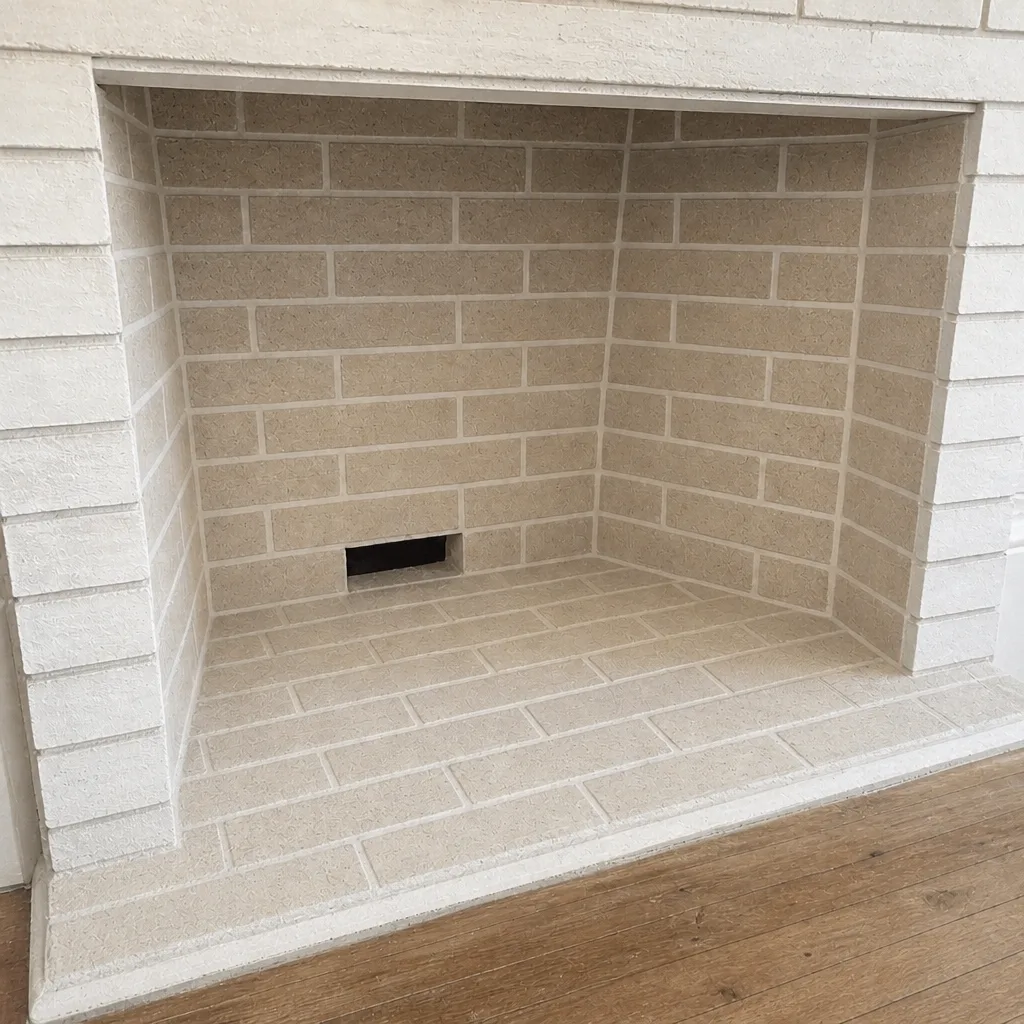
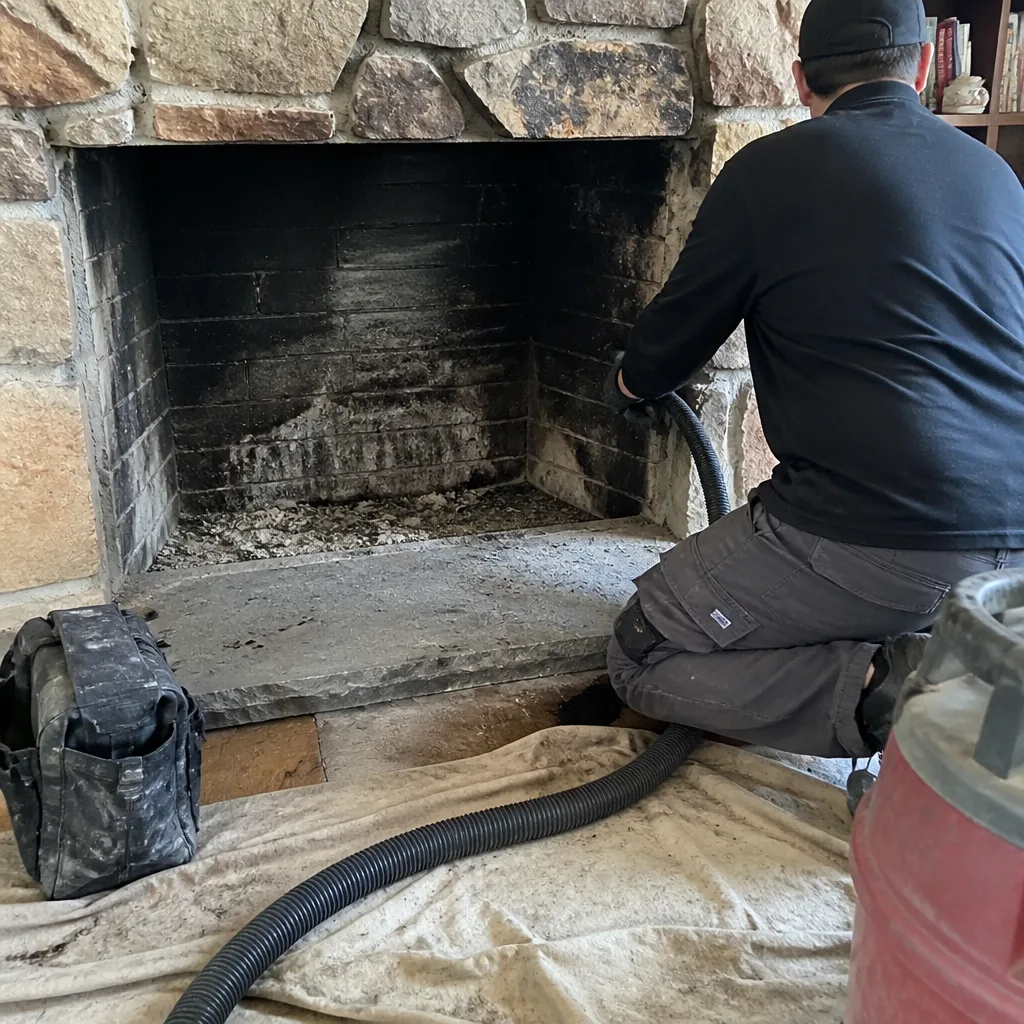
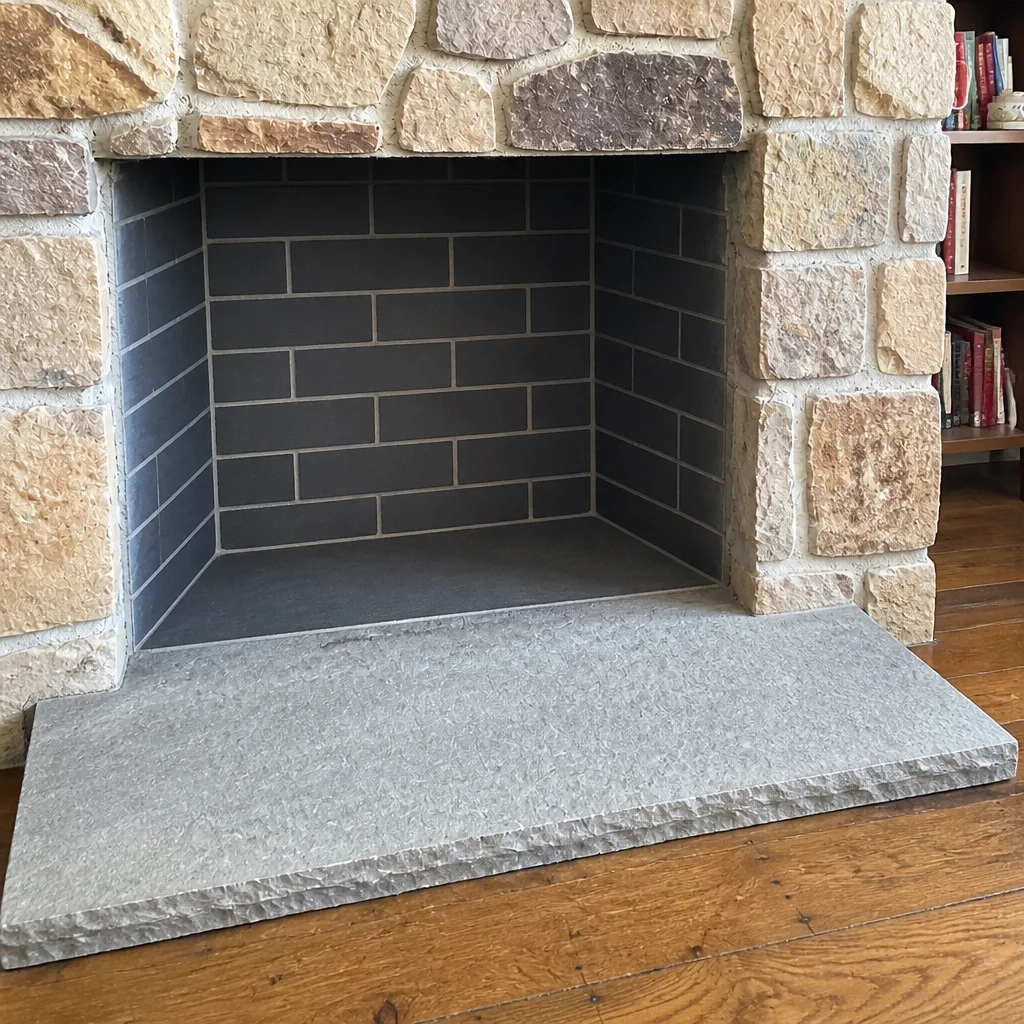
See the difference
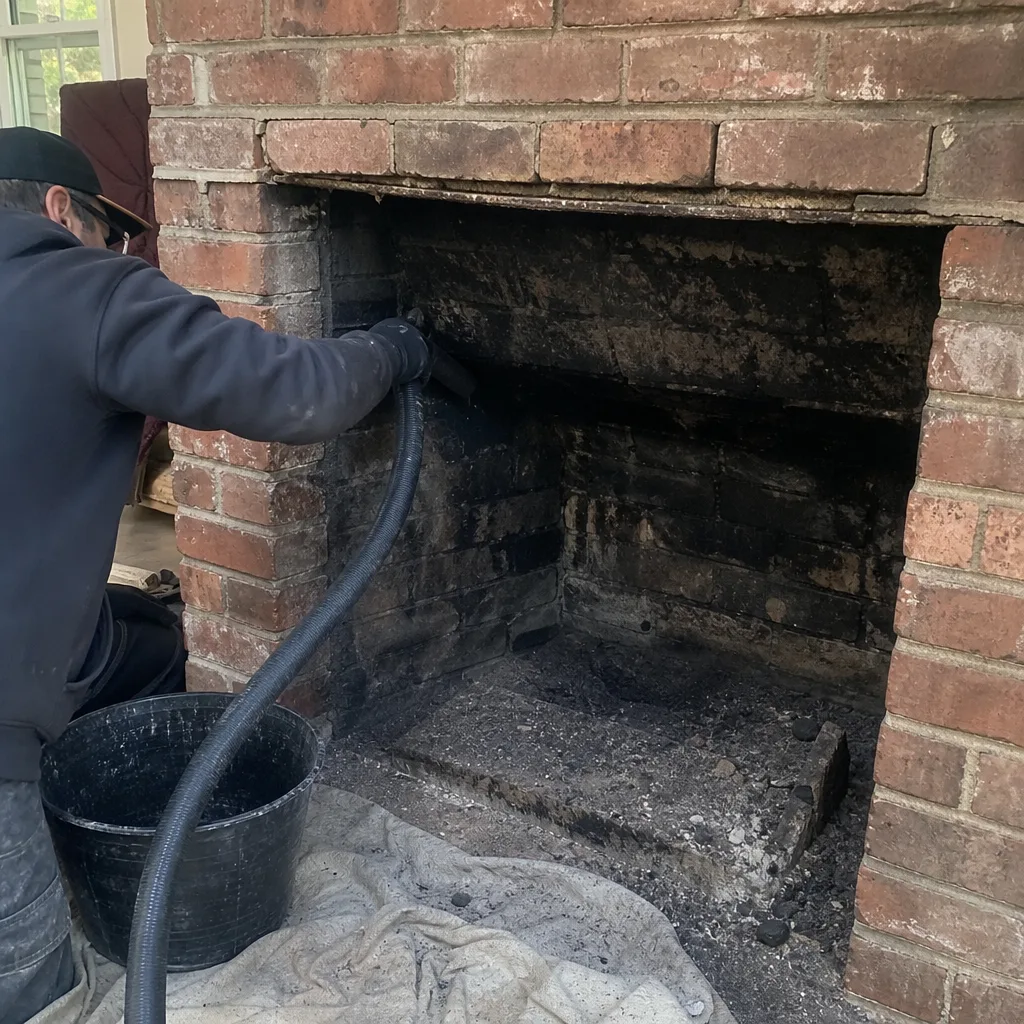 Before
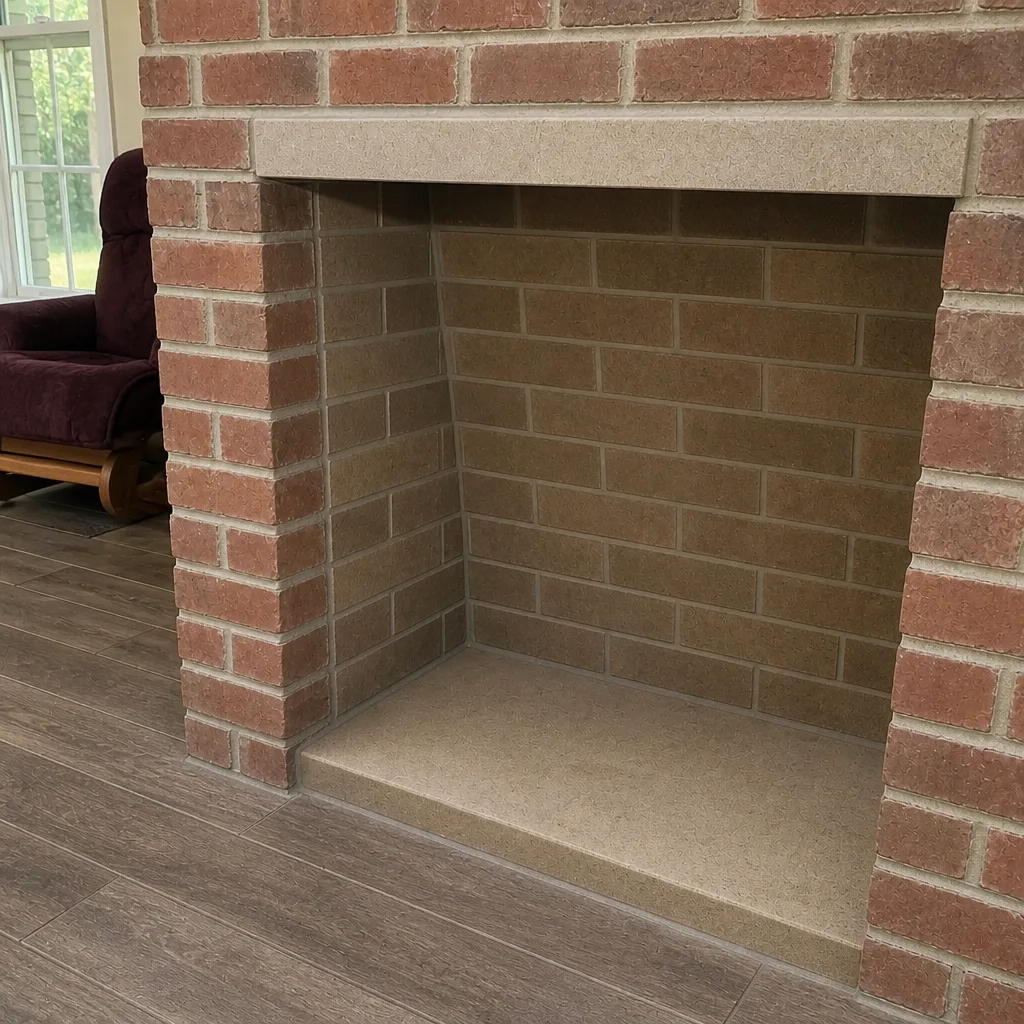 After
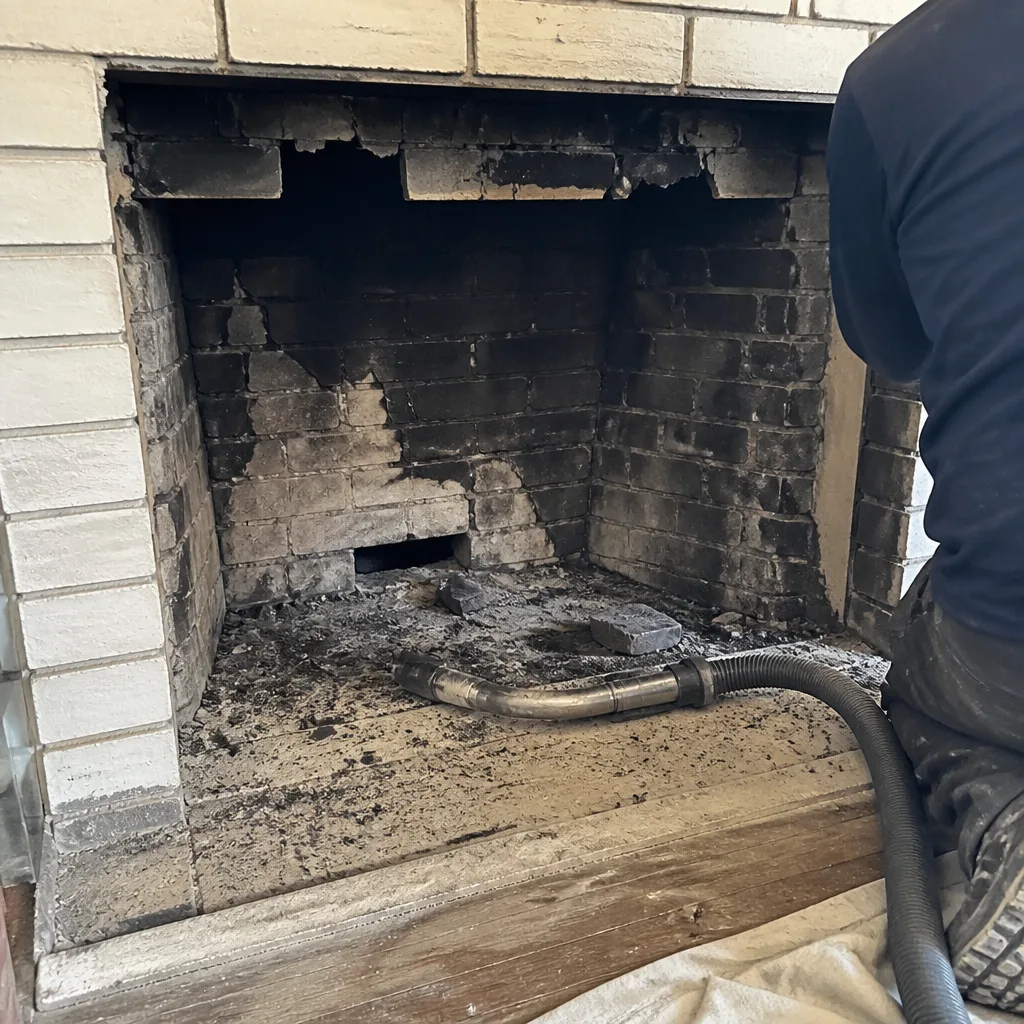 Before
 After
 Before
 After
When to Call a Professional
Some chimney work is safe to handle at the homeowner level, and some isn’t. Cleaning a firebox is one thing. Resurfacing a flue liner or installing a flexible liner system is not. If your flue liner is compromised, your crown is cracked, or your flashing is failing, that’s specialist work, and a retail-grade substitute will fail within a couple of seasons. If you smell smoke in the room when the fireplace is running, or your carbon monoxide detector has gone off, stop using the fireplace and call for an inspection before you schedule anything else. If your last sweep was several years ago, a camera inspection tells you what’s actually happening inside the chimney before the problem is structural.
Chimney Sweep Edmonds offers free estimates in Edmonds. Call (855) 726-7158. We answer 24/7. Fast dispatch from 7am to 7pm, Sunday through Friday.
Frequently Asked Questions
Ask for the material spec sheet with the product name and manufacturer. Trade-grade products are typically sold through professional supply channels (HeatShield, DuraFlex, Olympia Chimney, Gelco, Famco, Copperfield) and the contractor can name the specific product going into each area of the chimney. If the answer is “high-quality materials” or “cement,” you’re likely looking at retail-grade.
HeatShield resurfacing restores a compromised but still structurally sound flue liner from the inside, avoiding demolition and the cost of a full reline. A DuraFlex flexible liner is installed when the original liner has failed badly enough that resurfacing won’t hold; the new stainless liner inserts inside the old flue. The right choice depends on the camera inspection findings, not on the contractor’s preference.
Yes. Edmonds’ wet, freezing winters cycle the masonry above and below freezing multiple times each season. Rigid retail concrete cracks under that movement. Flexible trade-grade coatings and sealants move with the masonry and hold. A repair that lasts in a drier climate can fail within two winters in Edmonds if the material wasn’t chosen for the local conditions. Call (855) 726-7158 for an exact quote on your chimney.
Not necessarily. National franchises often standardize their supply chains nationally or regionally, which can mean products chosen for a general climate rather than Edmonds’ specific conditions. A chimney specialist working with trade-spec products selected for the local climate has more flexibility to match materials to the building. Ask both to show you the material spec and compare specificity.
A meaningful warranty names labor and materials separately, gives specific durations, covers failure of the repair over time (not just installation errors on day one), and explains the exclusions. If a contractor offers a “lifetime warranty” with no defined terms, ask for it in writing and read the exclusions. If a material spec is trade-grade and installation follows manufacturer guidance, the warranty can be more generous than a retail-grade job would warrant.
A sweep without an inspection tells you the chimney is cleaner, not that it’s safer. Repairs that matter (cracked crown, failing liner, flashing leaks) are found on camera inspection, not on the sweep alone. If your last inspection was several years ago, book the sweep and inspection together. Call (855) 726-7158. We answer 24/7.
Cost depends on the chimney, the sweep scope, and whether repairs are needed, and the written estimate sets the final price. We provide free estimates before booking. Call (855) 726-7158 for an exact quote.
The Bottom Line
The “brand” decision in chimney cleaning is mostly about materials. The right contractor uses trade-grade products matched to Edmonds’ wet, freezing winters, shows you the spec before work begins, and backs the work with a warranty that names labor and materials. The wrong contractor quotes a lower price, uses retail substitutes, and shows the failure within a couple of seasons. If you’re choosing, start with a camera inspection, ask for the material spec, and compare specs rather than prices. That’s the whole sequence, and it’s the difference between a repair that holds and one that doesn’t.
If a contractor you’ve received a quote from can’t produce a material spec, or if you want a second opinion on a fireplace repair recommendation, we’re happy to inspect and estimate at no cost. Our technicians have up to 14 years of experience, and we inspect before we recommend, so the material decision is based on what your chimney actually needs.
Call (855) 726-7158 for a free estimate. We answer 24/7. Fast dispatch from 7am to 7pm, Sunday through Friday.
Written by the team at Chimney Sweep Edmonds.