
Last updated November 25, 2026
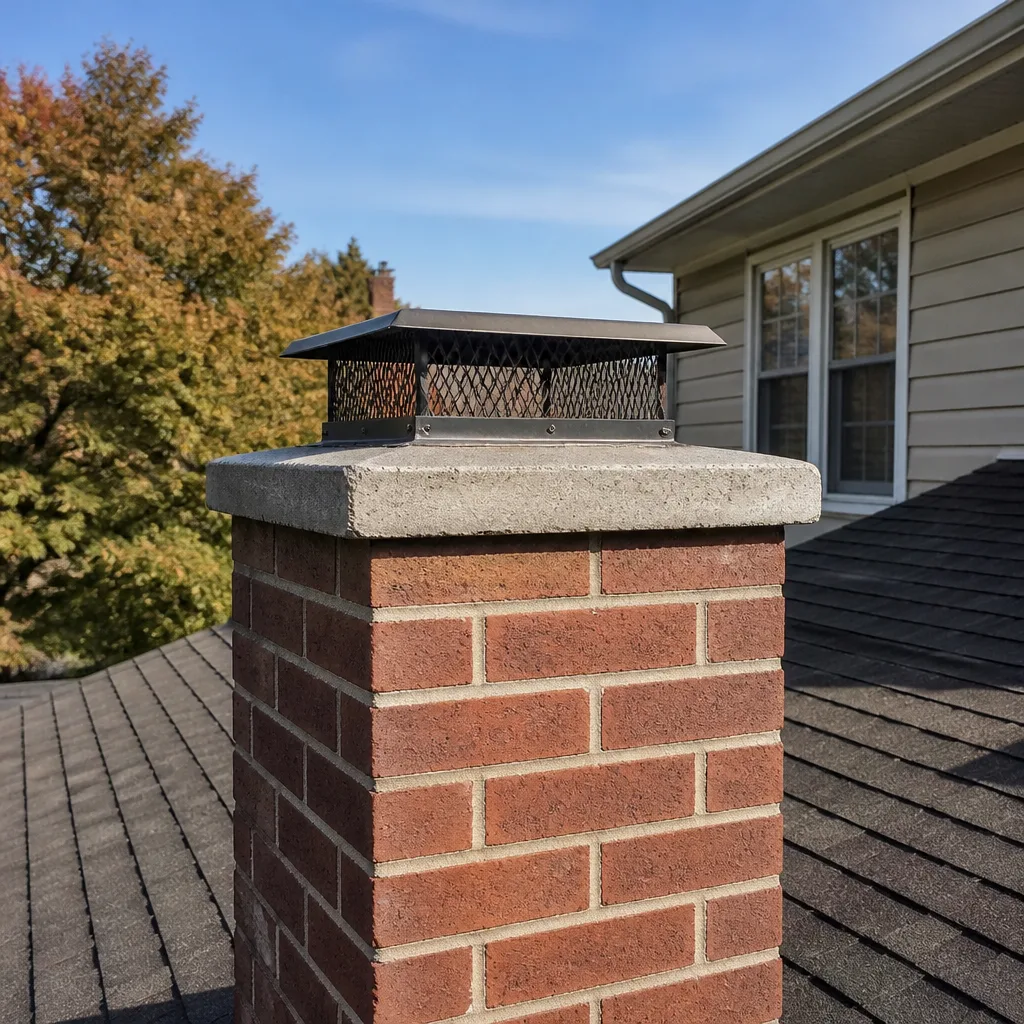 Sweep & inspection
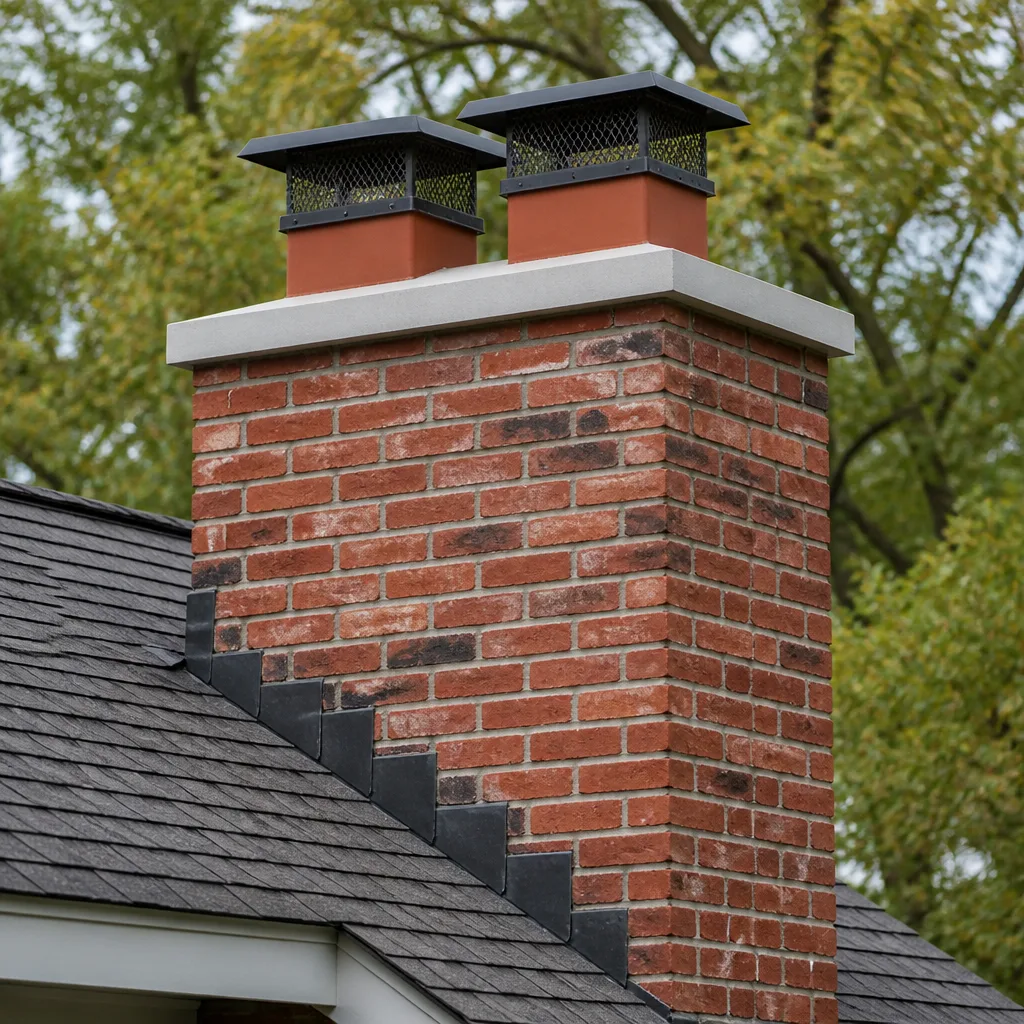 Caps & crowns
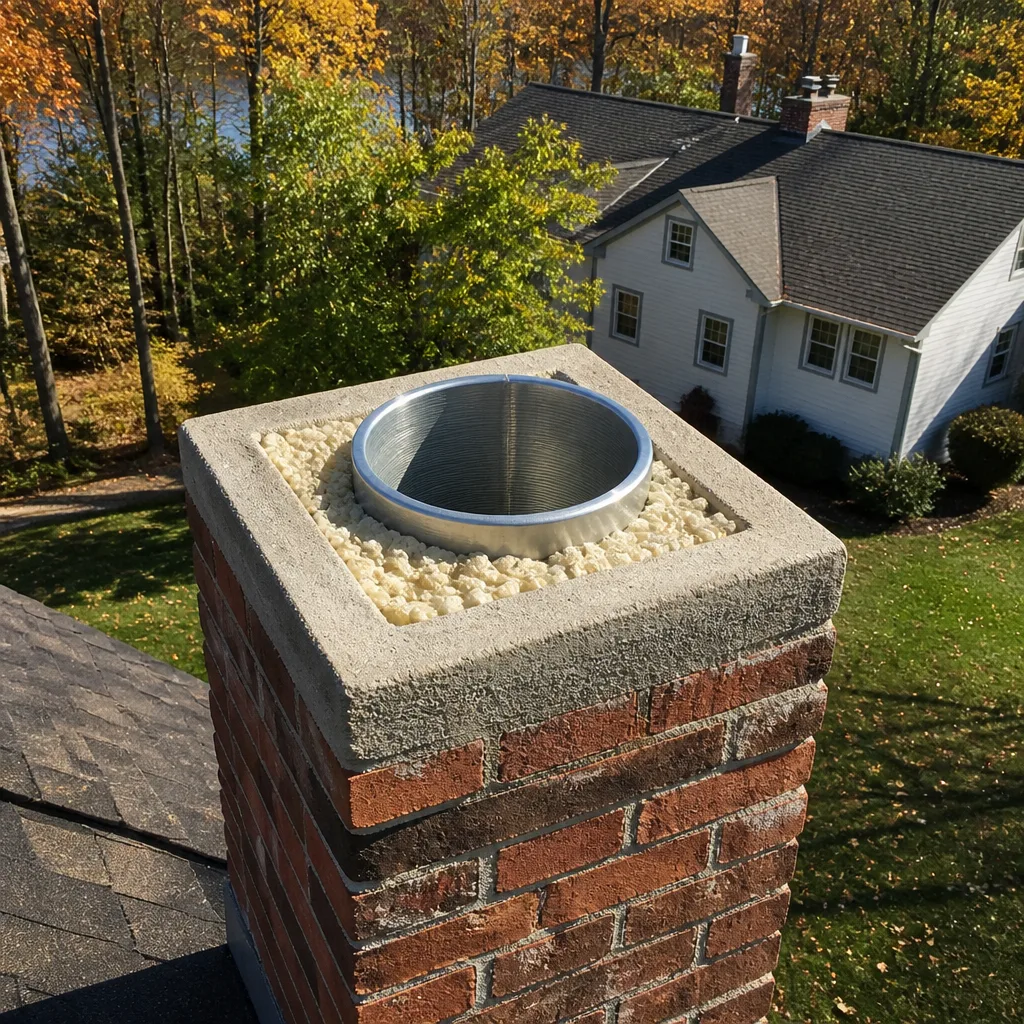 Flue relining
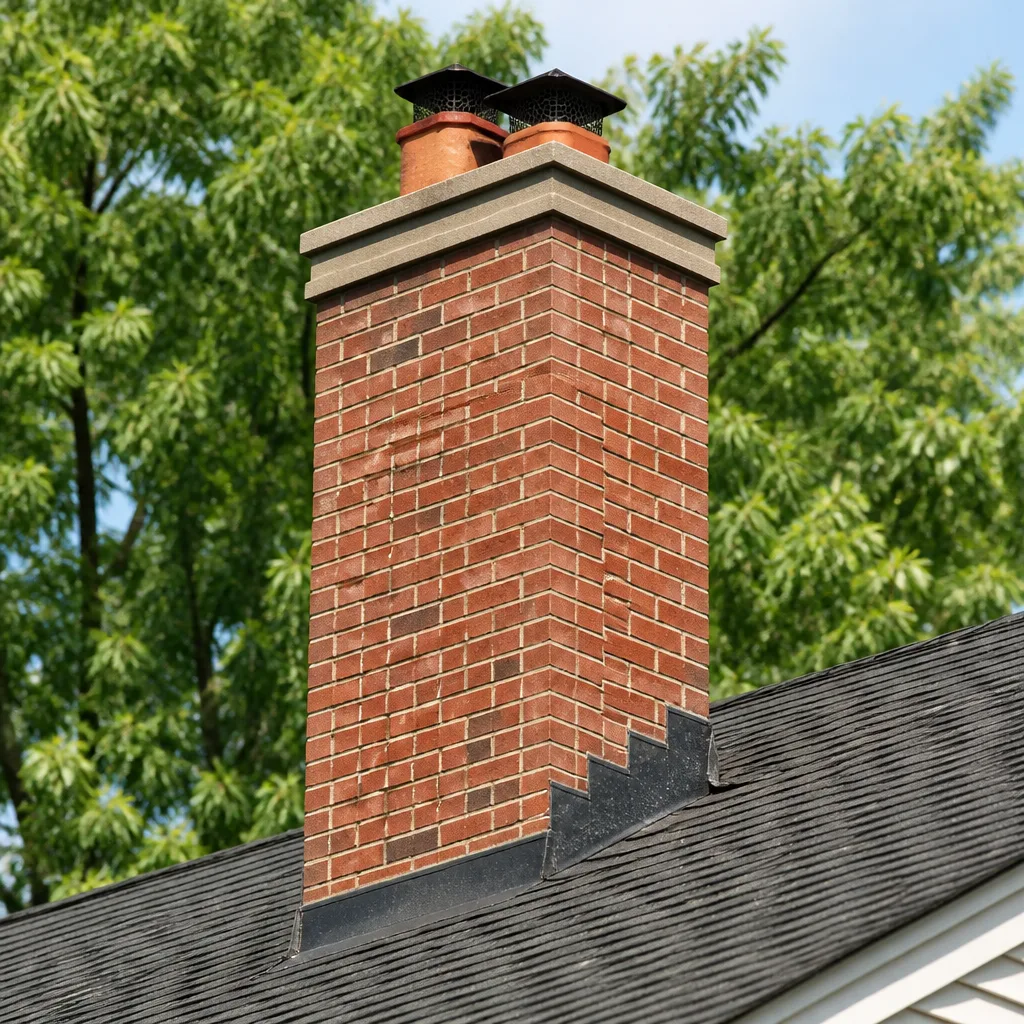 Masonry repair
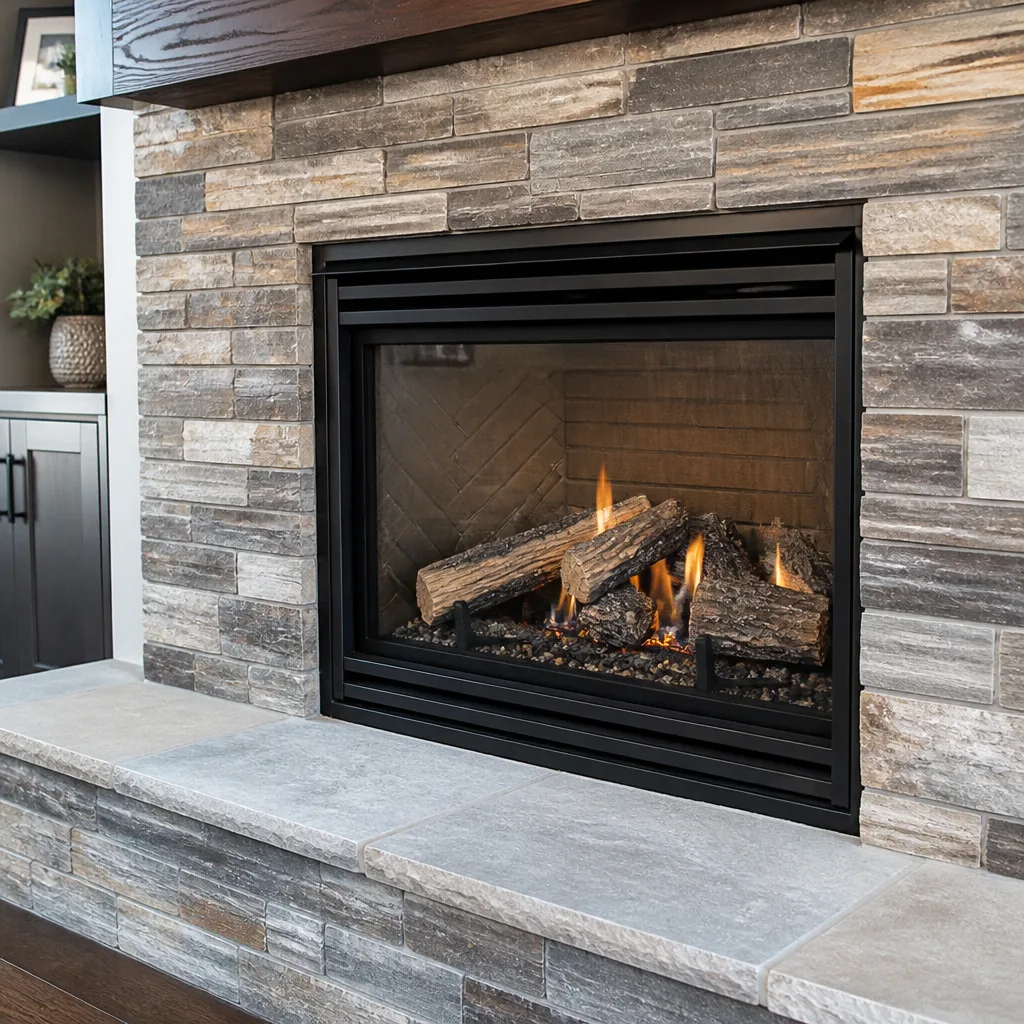 Gas fireplace service
Level 1 sweep and inspection to the NFPA 211 annual standard - flue, crown, cap, and flashing checked and photographed
Chimney sweep logs do not sweep chimneys. They loosen some creosote - which then falls where a brush and vacuum still have to collect it.
Chimney Cleaning Emergency Preparedness Guide for Edmonds Homes
The correct response to a chimney fire is to close the damper and get everyone out. Most homeowners’ instinct is to open the damper for ventilation. That is exactly the wrong move, and it can turn a contained flue fire into a structure fire within minutes. Preparedness for a chimney system isn’t a fire extinguisher on the hearth. It’s knowing in advance which conditions mean you stop using the fireplace immediately, who to call, and what not to do while you wait. This guide covers the active chimney fire, the carbon monoxide event that starts in a firebox rather than a furnace, the inspection that has to follow, and the paperwork that protects you in Edmonds. Our technicians have up to 14 years of experience, and we’ve written this the way we’d walk a homeowner through it face to face.
Quick Answer
If you suspect a chimney fire, close the damper, get everyone outside, and call 911. Don’t open the damper to “let it breathe,” don’t spray water into the firebox, and don’t go back inside until the fire department clears the structure. After any chimney fire, a carbon monoxide alarm triggered by wood-burning appliances, or visible creosote glaze, the fireplace stays out of use until a Level III inspection confirms the flue is sound. In Edmonds, the fire department responds to the emergency; a certified chimney professional handles the inspection and repair that follows. Those are two different calls, and knowing the difference is the whole point of this guide.
Styles & brands we work with
- Sweep & inspection
- Caps & crowns
- Flue relining
- Masonry repair
- Gas fireplace service
Table of Contents
- What to Do During an Active Chimney Fire: Step by Step
- When a Fireplace Fire Becomes a House Fire
- Carbon Monoxide Signs Specific to Fireplaces and Wood Stoves
- Which Post-Event Conditions Require a Level III Inspection
- Who to Call, and When: 911, Edmonds Fire, or a Chimney Professional
- What to Document After a Chimney Fire for Insurance
- Preparedness Before Burning Season in Edmonds
- How You Know the Chimney Is Safe to Use Again
What to Do During an Active Chimney Fire: Step by Step
A chimney fire is a fire inside the flue, burning the creosote that has built up on the liner walls. It can be roaring and obvious, with a sound like a freight train and flames or sparks from the top of the chimney. It can also be quiet and slow, smoldering in a thick creosote layer without much noise at all. The quiet ones are the ones homeowners miss. Either way, the response is the same.
- Close the damper. This starves the flue fire of oxygen and limits how fast it can grow. This is the step most people get backwards. Opening the damper feels intuitive, like venting a smoky room. In a chimney fire it feeds the flue and gives burning creosote more air.
- Get everyone out of the house. No gathering belongings, no checking the attic, no phone calls from the kitchen. Out the door, then call.
- Call 911 from outside. Tell the dispatcher you believe you have a chimney fire. If you see smoke or flames from the roofline, say so.
- Close the fireplace doors and any glass doors if it’s safe to reach them without re-entering a smoky room. If it isn’t safe, leave them.
- Wait for the fire department. Don’t re-enter to check on the fire. Don’t climb on the roof with a hose or a bucket. Roofs are slick in the Edmonds shoulder seasons, and a fall is a second emergency stacked on the first.
- Keep the fireplace out of service until it’s inspected. This is not a formality. Heat from a flue fire cracks liners, warps dampers, and opens gaps between flue sections that you cannot see from the firebox.
If you have a fire extinguisher rated for chimneys, it goes at the firebox opening, never up the flue. In practice, the trained response is to close the damper, evacuate, and let the fire department handle it. We’ve seen more damage from homeowners fighting a flue fire from inside than from the fire itself.
When a Fireplace Fire Becomes a House Fire
A standard fireplace fire that gets out of hand is a different event from a chimney fire, and the response differs. If logs have rolled out onto the hearth, if the firebox itself is burning beyond the grate, or if flames have moved past the fireplace opening, you’re dealing with a room fire, not a flue fire. That’s the moment to use a fire extinguisher if one is within reach and the fire is small, and to evacuate and call 911 the moment it isn’t.
The distinction matters because the failure modes differ. A flue fire damages the chimney from the inside out: liner, damper, flue joints, and the wood framing that runs against the chimney chase. A room fire damages the firebox, the hearth extension, and any combustibles too close to the opening. Both can spread into the wall or attic, but through different paths.
The prepared homeowner knows which one they’re looking at. Ask yourself:
- Is the fire inside the firebox, contained behind the screen or doors, with smoke pulling up the flue? That’s a normal fire. Watch it, don’t leave it.
- Are there flames or sparks visible at the top of the chimney, or a low roaring sound from the flue? That’s a chimney fire. Close the damper and evacuate.
- Has fire left the firebox, or is the screen or glass too hot to approach? That’s a room fire. Extinguish if you can safely, evacuate if you can’t.
In Edmonds, the housing stock includes a lot of older homes where fireplace surrounds and mantels were built before modern clearance requirements were standard. Combustible material too close to the firebox opening is one of the quiet risks an inspection catches. We inspect before we recommend, and that check is part of it.
Carbon Monoxide Signs Specific to Fireplaces and Wood Stoves
Carbon monoxide from a fireplace or wood stove behaves differently from CO from a furnace. A furnace CO event usually involves a heat exchanger or a venting failure in a mechanical room. A fireplace CO event is a draft and venting problem in a living space, and the signs show up around the hearth first.
Carbon monoxide is colorless and odorless, so the alarm is the signal, not your senses. But wood-burning appliances give you a few earlier tells that a furnace doesn’t:
- Smoke spilling into the room instead of pulling up the flue. Especially on startup or when the fire is burning down. Some spillage on a cold start is normal; persistent backdraft is not.
- A smoky smell in the room after the fire is out. Creosote odor and combustion gases share a path. If you smell smoke with no fire burning, the flue isn’t drafting correctly.
- Soot streaks above the fireplace opening or on the mantel. That’s where combustion gases are escaping into the room rather than going up.
- A CO alarm sounding when the fireplace or wood stove is in use, and staying quiet when it isn’t. That pattern points at the wood-burning appliance or its flue, not the furnace.
- Headaches, drowsiness, or nausea that clear when you leave the room and return when you go back. This is the body-level signal, and it’s the one that sends people to the wrong conclusion. Get out and call the fire department.
Wood stoves and inserts are the higher-risk category because they can keep producing CO after the visible fire is out, and because a poorly fitted flue collar or a missing cap lets exhaust work its way back into the living space. If you use a wood stove in Edmonds, know where your CO alarms are, test them, and place one in the room with the stove, not only in the hallway. If an alarm sounds while the appliance is burning, get everyone outside and call 911. The fire department confirms the level; the chimney professional finds the cause afterward.
Which Post-Event Conditions Require a Level III Inspection
A Level III inspection is the most thorough of the three inspection levels. It’s the one that involves accessing concealed areas of the chimney, including the flue interior and the surrounding framing, sometimes with camera equipment, and it’s the inspection the standard calls for after an event that may have caused hidden damage. Under NFPA 211, a Level III inspection is required when a chimney has been subjected to a chimney fire or another event likely to have caused damage, or when a change in the system means the original condition can’t be verified any other way.
In plain terms, these conditions call for a Level III before the fireplace goes back into use:
- A confirmed or suspected chimney fire. Even one that appeared to burn out on its own. Creosote fires reach temperatures that crack clay liners and open joints between flue tiles.
- A carbon monoxide event traced to the fireplace, wood stove, or insert. The cause has to be found, not guessed at.
- Visible damage to the chimney exterior after the event. Cracked or spalled masonry, a shifted crown, or a cap knocked loose. Water gets in through any of these and starts the next problem.
- A change to the appliance or flue. A new insert, a new stove, a liner replacement, or a conversion from wood to gas. The chimney has to be verified against the new appliance.
- A property sale or a change of insurance. A Level II inspection is the usual baseline here, with a Level III when the inspector finds a reason to go further.
Here’s where the trade matters. A sweep-only crew can clean a flue and report what’s visible from the firebox. A Level III goes into the concealed spaces. Chimney repair work after an event often involves the liner itself, and that’s where HeatShield resurfacing or a DuraFlex flexible liner system comes in. HeatShield lets us resurface a deteriorated clay liner without full demolition in qualifying chimneys, and DuraFlex covers relining when the liner has failed outright. We work with professional-grade brands because the repair has to hold up to the next fire, not just pass a look. Built to last, not patched to pass.
Who to Call, and When: 911, Edmonds Fire, or a Chimney Professional
Sorting the phone calls in advance is half of preparedness. The lines are clearer than they look once you separate them by what’s actually happening.
- Call 911 for anything burning or anyone symptomatic. A visible chimney fire, sparks or flames at the roofline, a room fire, a CO alarm sounding while the stove is burning, or anyone with headache, dizziness, nausea, or confusion around a wood-burning appliance. The fire department handles the emergency and clears the structure. Don’t wait to see if it gets better.
- Edmonds Fire responds through 911. You don’t need a separate number for the fire department; the dispatcher routes it. If you’re calling after the fact to request a report or ask a question about the response, use the department’s non-emergency line, which is on the city’s website.
- Call a certified chimney professional for everything after the emergency. Post-fire inspection, carbon monoxide source diagnosis, liner assessment, cap and crown damage, and the repair decision. This is where we come in. Our trade is chimney and fireplace systems, not general contracting. We don’t do roofing or HVAC, and we don’t subcontract the chimney work out.
- Call your insurance company once the structure is safe and the fire department has cleared the scene. Start the claim early. The inspection report becomes part of it, which is why sequencing matters, covered below.
- A general contractor is not the right first call after a chimney fire. If the fire spread into framing, the fire department or your insurer will tell you what structural work is needed. The chimney itself gets assessed by a chimney specialist before anyone rebuilds around it.
From the firebox to the crown, we work on one category of system. That’s the reason to keep our number separate from the contractor’s in your head. Call (855) 726-7158 and we’ll walk through what happened and what the next step is. We answer 24/7. Fast dispatch from 7am to 7pm, Sunday through Friday.
What to Document After a Chimney Fire for Insurance
Documentation is the part homeowners skip, and it’s the part that decides how smoothly an insurance claim goes. The general rule: document before you clean, before you repair, and before anyone hauls anything away. Once the evidence is gone, a claim gets harder to support, not easier.
Here’s the sequence that works:
- Photograph the exterior of the chimney first. The top of the flue, the crown, the cap, the flashing, and any staining or damage at the roofline. Get the whole chase and close-ups. Note the date and time on the photos.
- Photograph the firebox, damper, and hearth. Creosote glaze, warped metal, cracked firebrick, soot patterns on the surround. Soot above the opening tells a story about where gases escaped.
- Write down what happened while it’s fresh. When the fire started, what you saw and heard, when you closed the damper, when the fire department arrived, and who responded. Keep it factual and short.
- Get the fire department’s incident report. Ask how to obtain it. Insurers often want it attached to the claim.
- Have the professional inspection done before any repair work starts. The inspection report documents the pre-repair condition. If you repair first, you’re asking the insurer to trust a description instead of evidence.
- Keep the repair estimate with the inspection report. The written estimate sets the price and gives the insurer the scope. Don’t let a repair begin until the claim picture is clear with your adjuster.
The sequencing point is the one that trips people up. Inspection first, then documentation, then the claim conversation, then repair. Our inspection includes a camera inspection and photo report, so you have images of the flue interior you can hand to an adjuster. We can work with your insurer, and the report is built for that. If your policy requires a specific form or a Level III, tell us at booking and we’ll scope the inspection to match.
Preparedness Before Burning Season in Edmonds
Most chimney emergencies are preventable with a check before the first fire of the season. Edmonds sits between Puget Sound and the Cascades foothills, and our shoulder seasons are damp and drawn out. Homes sit closed up, fireplaces sit unused for months, and the first cold snap brings a fire into a flue nobody has looked at since last winter. That’s the setup for the events above.
The preparedness checklist we walk homeowners through:
- Get an annual inspection and sweep before the burning season. Creosote builds whether you burn hard or light, and a light-burning fireplace can build glazed creosote just as a heavy one does, sometimes faster because cooler flue temperatures leave more residue. If it’s been years, a chimney sweep is the starting point, not the finish line.
- Test every carbon monoxide alarm and note the replace-by date on each unit. Put one in the room with the fireplace or stove.
- Check the cap and crown from the ground with binoculars. A missing cap lets water, birds, and debris into the flue. A cracked crown lets water into the masonry, which is the start of most of the structural problems we see in Edmonds homes.
- Confirm the damper opens, closes, and seats fully. A damper that won’t close can’t starve a flue fire, and that’s the move the whole emergency plan depends on.
- Clear the hearth area. Combustibles, kindling, furniture, and decorations too close to the firebox opening.
- Know where your fire extinguisher is and check its gauge. Have it at the firebox opening, not in the garage.
- Keep our number and the fire department’s non-emergency number with your home documents. The emergency moment is not the time to be searching.
If you haven’t had the system looked at this year, book a Chimney Sweep Edmonds visit before the season starts. Getting the sweep done early beats getting it done in a hurry after an incident. If the inspection turns up a fireplace problem, from a cracked firebox to a damper that won’t seat, the same visit covers fireplace repair rather than handing you off to another company.
How You Know the Chimney Is Safe to Use Again
The chimney is safe to use again when a qualified professional has inspected it, the flue is verified sound, and any needed repair is complete and documented. That’s the bar. “It seems fine” and “the fire went out on its own” don’t meet it.
What the clearance involves, in order:
- The flue interior is inspected, with camera access where the flue isn’t visible from the firebox. Cracks in clay tiles, open joints, and glazed creosote that survived the fire all get found here.
- The damper, firebox, and smoke chamber are checked. All of these take heat and can be damaged without outward signs.
- The exterior is checked: crown, cap, flashing, and the masonry above the roofline. Water intrusion that starts after a fire becomes a slow second problem.
- Any needed repair is scoped and completed. Liner resurfacing, relining, cap and crown work, flashing repair. This is where we stay on as the same crew from start to finish.
- You get a written record of the inspection and the repair. Keep it with your home documents and your insurance file.
A word on timing. Not everything needs to happen at once. If the inspection finds the flue sound and a repair that can safely wait, we’ll say so. Nothing gets recommended without camera evidence you can see for yourself. The repair that can’t wait is a compromised liner, because that’s the fire-safety gap that matters. The chimney repair decision is made on what the camera shows, not on what a salesperson says.
Common Mistakes to Avoid
- Opening the damper during a chimney fire. This is the single most damaging mistake in this guide. It feeds the flue fire oxygen and gives it a path to the house. Close it and get out.
- Using the fireplace again before a Level III inspection. A fire that seemed to burn out quietly can leave a cracked liner behind it. The next fire finds that crack.
- Assuming a clean-looking firebox means the flue is sound. The firebox is the one part of the system you can see. The flue is where the damage hides, and it’s where the fire burns.
- Skipping the exterior check because nothing looked wrong from the yard. Edmonds rain finds a cracked crown, a lifted flashing edge, or a missing cap and works its way in over months. By the time the leak shows up indoors, the masonry damage is real.
- Repairing first and documenting after. Once the evidence is gone, an insurance claim gets harder. Photo, report, claim, repair, in that order.
- Treating a smoke smell in the room as normal. Spillage or a persistent smoky smell after the fire is out points at a draft and venting problem. It’s worth an inspection, and it’s the kind of tell that can precede a carbon monoxide event.
- Calling a general contractor first. A chimney fire gets assessed by a chimney professional, then structural work follows if it’s needed. Start in that order and you don’t pay for an assessment that doesn’t answer the question.
See the difference
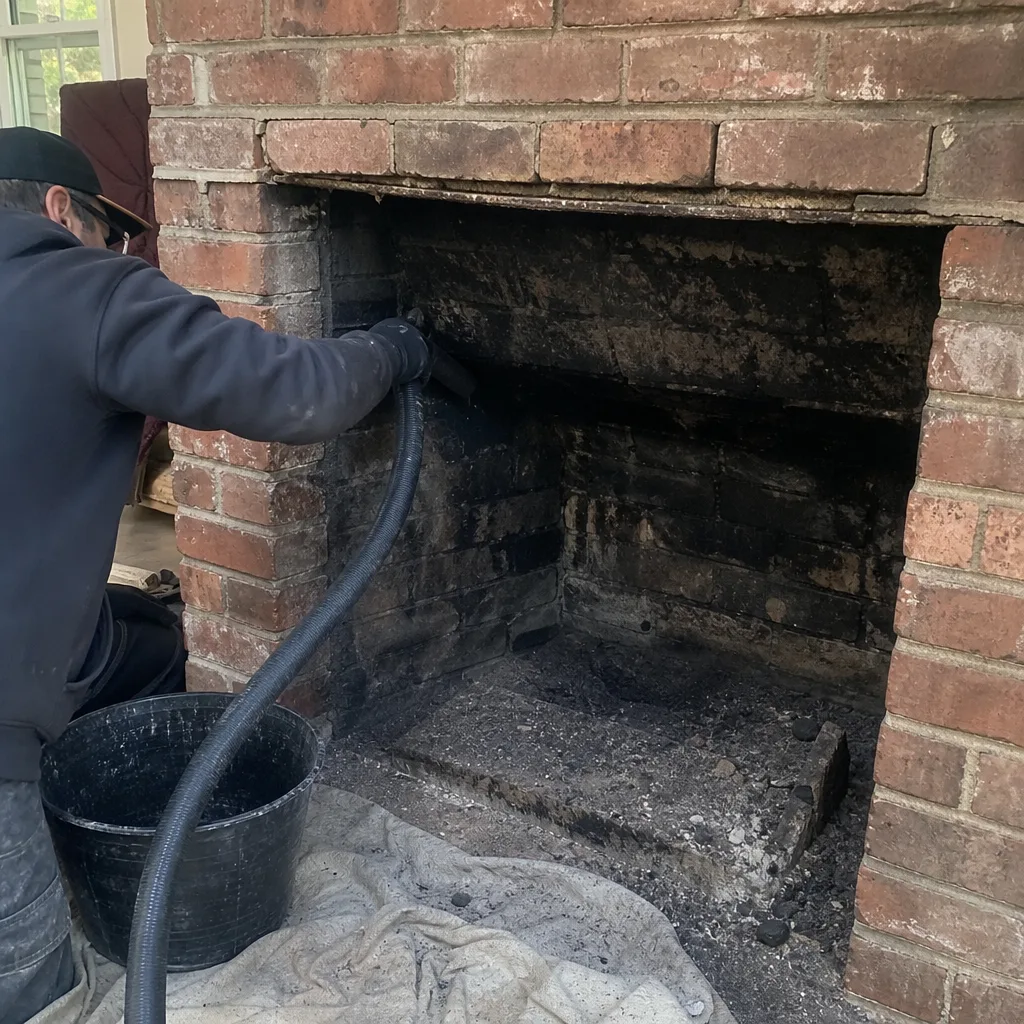 Before
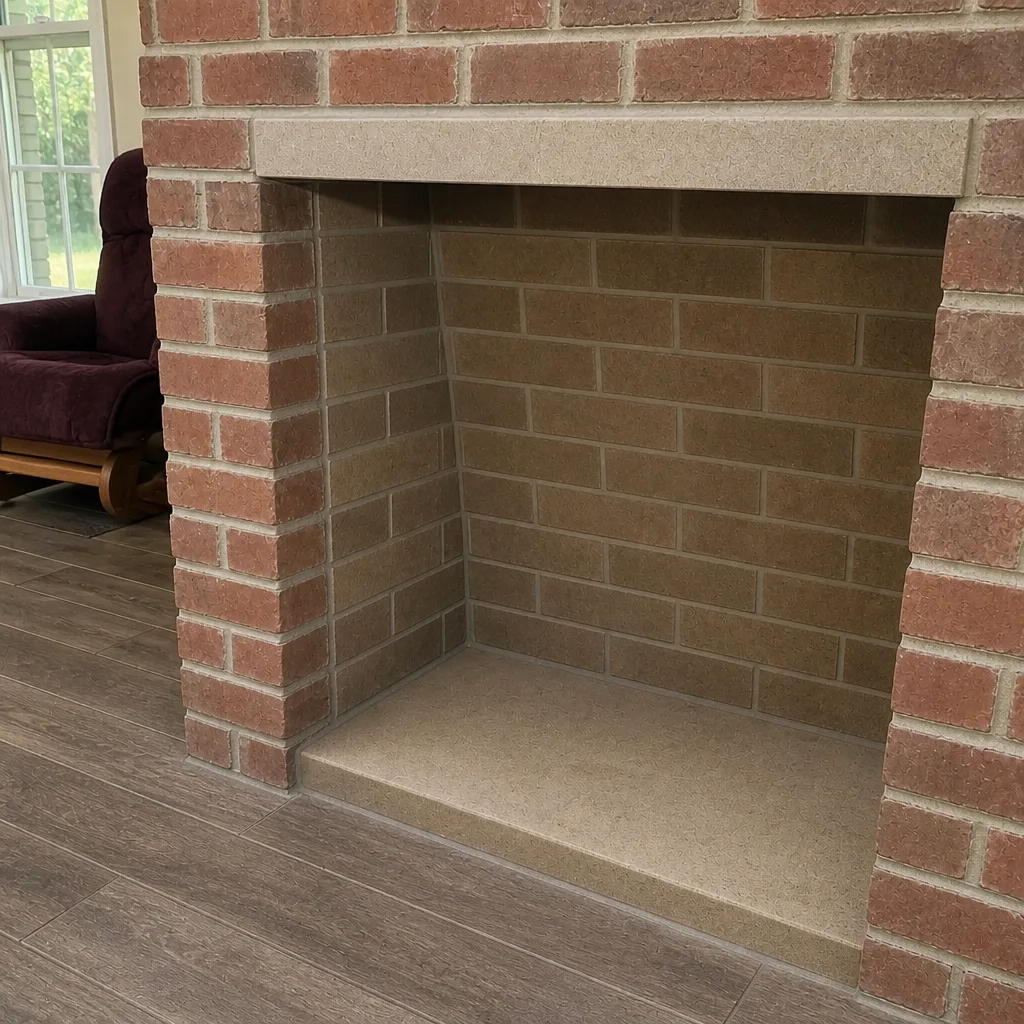 After
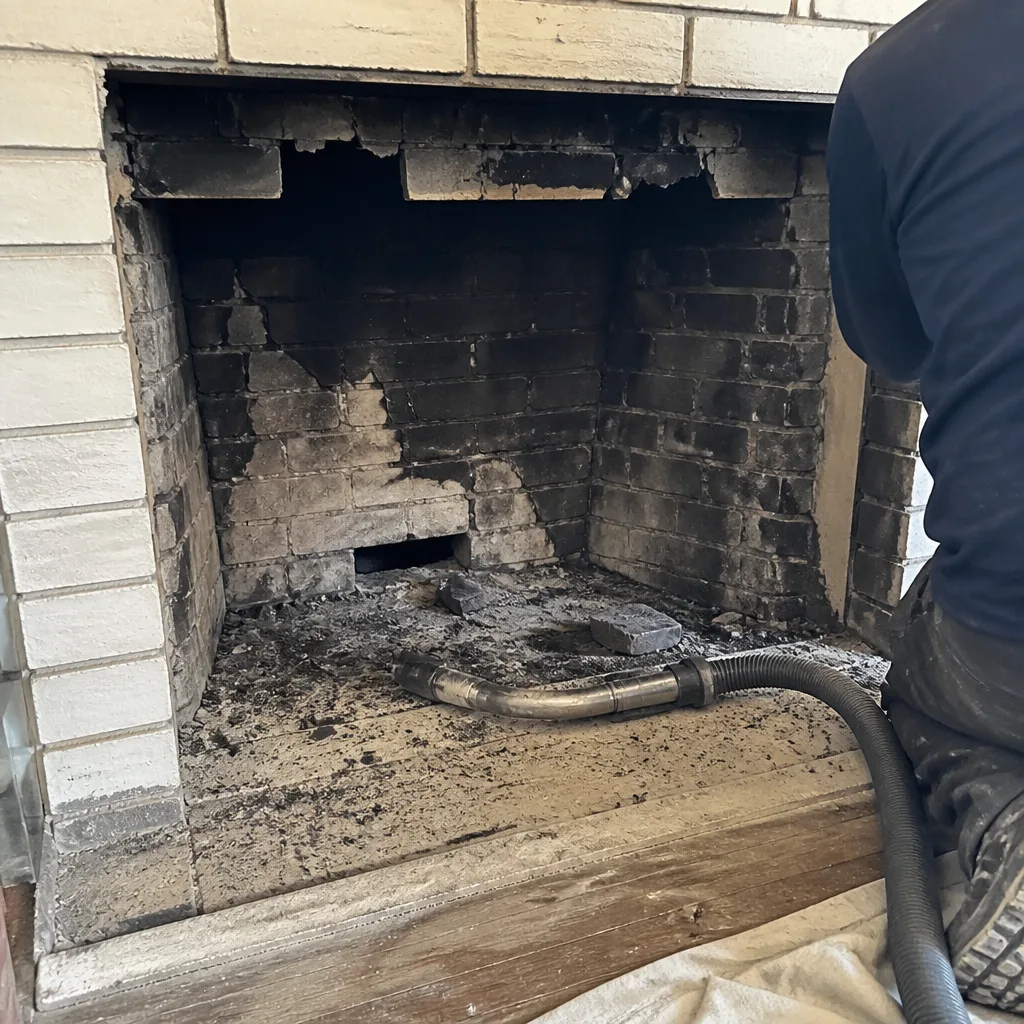 Before
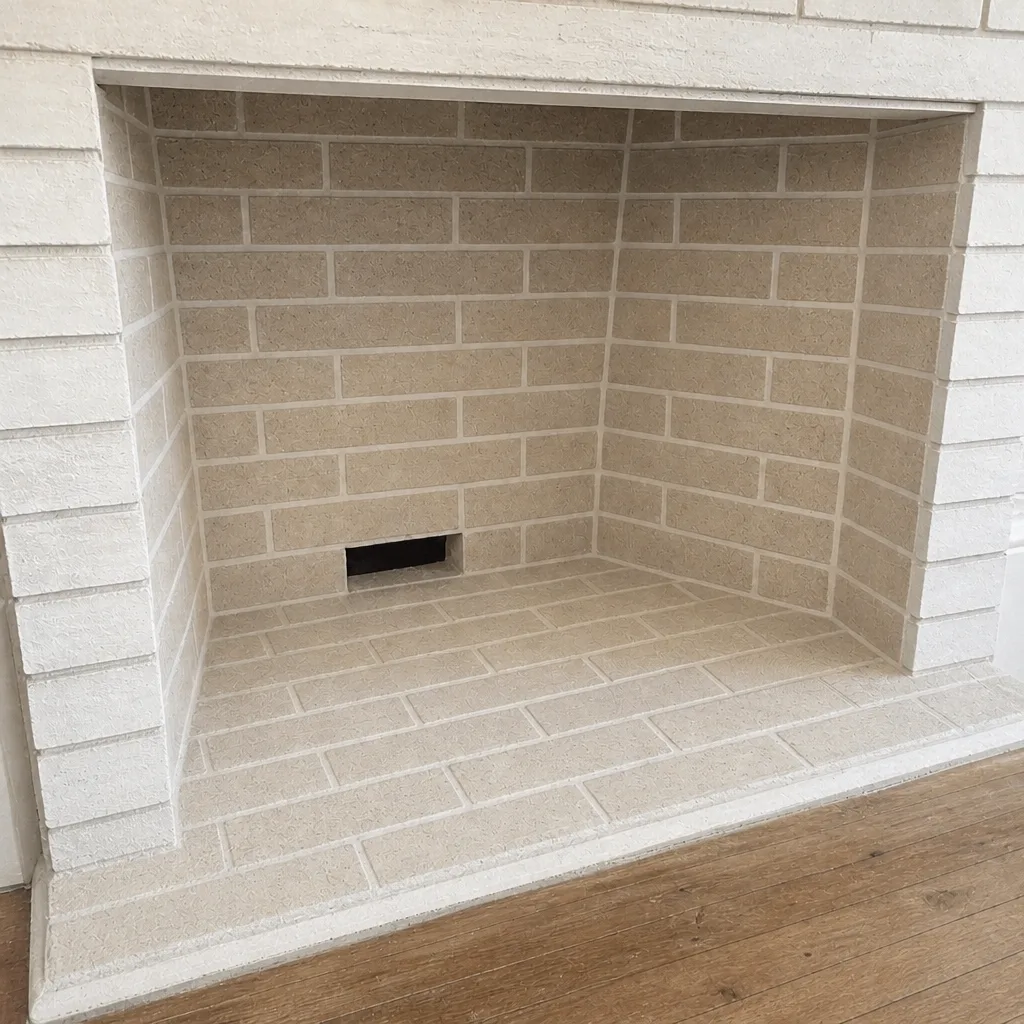 After
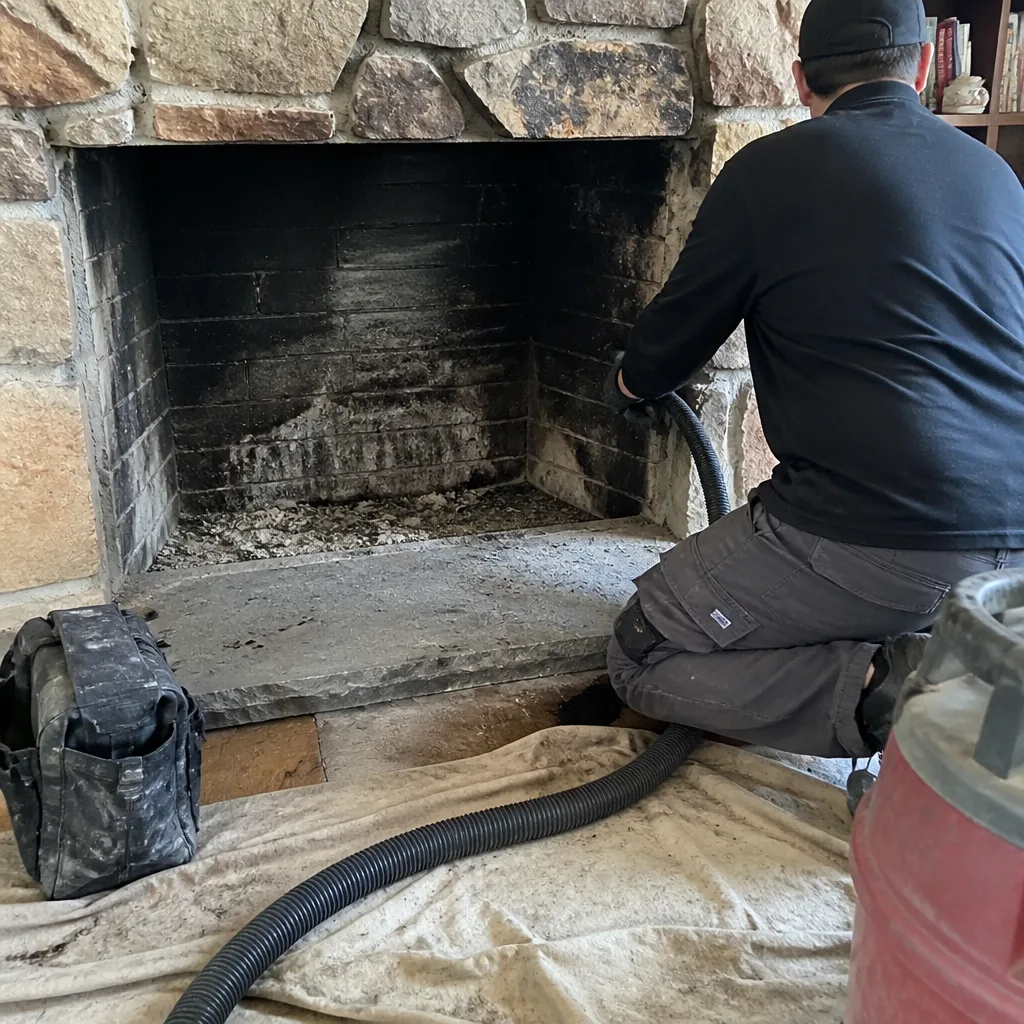 Before
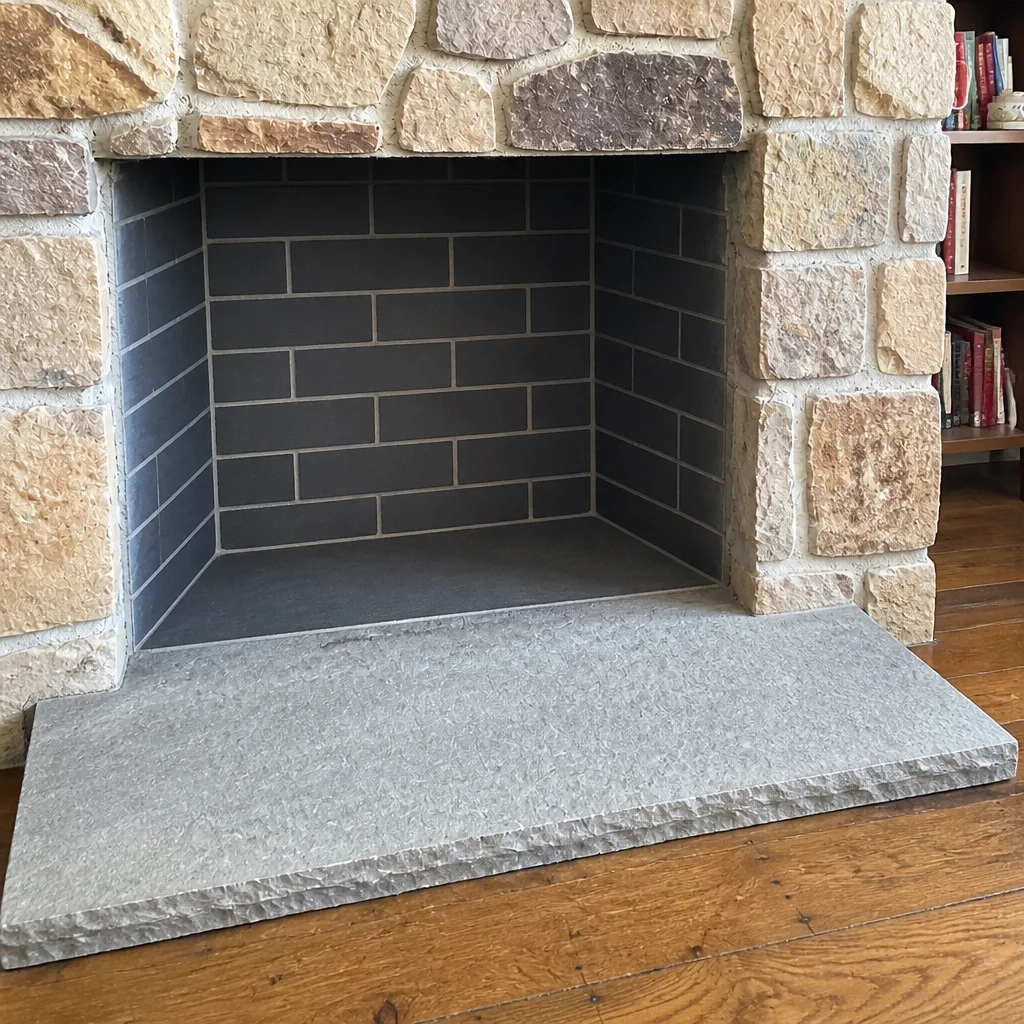 After
When to Call a Professional
Call a certified chimney professional after any suspected chimney fire, any carbon monoxide alarm that sounded while a fireplace or wood stove was in use, any visible damage to the chimney exterior, or any persistent smoke smell in a room with a wood-burning appliance. Call us before the burning season if the chimney hasn’t been inspected in a year, before using a fireplace after a long idle period, or before buying a home with a fireplace you haven’t seen inspected. Also call us when another contractor has quoted a repair and you want a camera-based second opinion on what’s actually wrong. Copperfield, Olympia Chimney, Famco, and the other professional-grade brands we work with are part of how we get the repair right, not a sales pitch. Chimney Sweep Edmonds offers free estimates in Edmonds. Call (855) 726-7158. We answer 24/7. Fast dispatch from 7am to 7pm, Sunday through Friday.
Frequently Asked Questions
No. Close the damper. Opening it feels like the right move because it’s what you do for a smoky fire, but during a chimney fire it feeds air to burning creosote in the flue and gives the fire a path into the house. Close the damper, get everyone outside, and call 911. Call (855) 726-7158 for the inspection that follows.
A chimney fire burns in the flue, not the firebox, and it shows up as a low roaring sound, flames or sparks at the top of the chimney, or a fire that seems to pull much harder than usual. A normal fire stays contained in the firebox with smoke pulling up the flue. If you can’t tell, treat it as a chimney fire and evacuate. A false alarm is a nuisance; the opposite isn’t.
Smoke spilling into the room instead of pulling up the flue, a persistent smoky smell after the fire is out, soot streaks above the fireplace opening, and a CO alarm that sounds only when the wood-burning appliance is in use. Anyone with headache, dizziness, or nausea that clears when they leave the room should get outside and call 911 immediately. Call (855) 726-7158 for the source diagnosis and inspection afterward.
Yes, under NFPA 211, a chimney fire is one of the events that calls for a Level III inspection before the chimney goes back into use. The inspection accesses concealed areas the firebox view can’t reach. That’s where cracked liners and open flue joints live. Call (855) 726-7158 to book one and get a camera report you can hand to your insurer.
Photograph the chimney exterior, the firebox, and the hearth before anything is cleaned or repaired. Then get the fire department’s incident report and have the professional inspection done before repair work starts. Inspection first, documentation second, claim conversation third, repair last. Call (855) 726-7158 and we’ll scope the inspection to what your insurer needs.
Until the inspection is complete and any damage is repaired. There’s no safe waiting period that skips the inspection. If the flue is sound and the fire caused no damage, the inspection confirms it and you’re back in use. If a repair can safely wait, we’ll tell you that in plain terms. Call (855) 726-7158 for an exact quote on the inspection. Estimates are free.
The Bottom Line
Chimney emergency preparedness in Edmonds comes down to three moves: close the damper, get out, and call 911 during the event. Then inspect before you use the fireplace again, document before anyone repairs anything, and let the camera evidence drive the repair decision rather than a guess. The carbon monoxide signs around a wood-burning appliance are specific and they show up in the room, so know them. Our technicians have up to 14 years of experience across the full chimney system, from the firebox to the crown, and we handle the sweep, the inspection, and the repair with one crew, start to finish. If this guide has you wondering about your own chimney, call (855) 726-7158 for a free estimate. We answer 24/7. Fast dispatch from 7am to 7pm, Sunday through Friday.
Written by the team at Chimney Sweep Edmonds.