
Last updated November 25, 2026
 Sweep & inspection
 Caps & crowns
 Flue relining
 Masonry repair
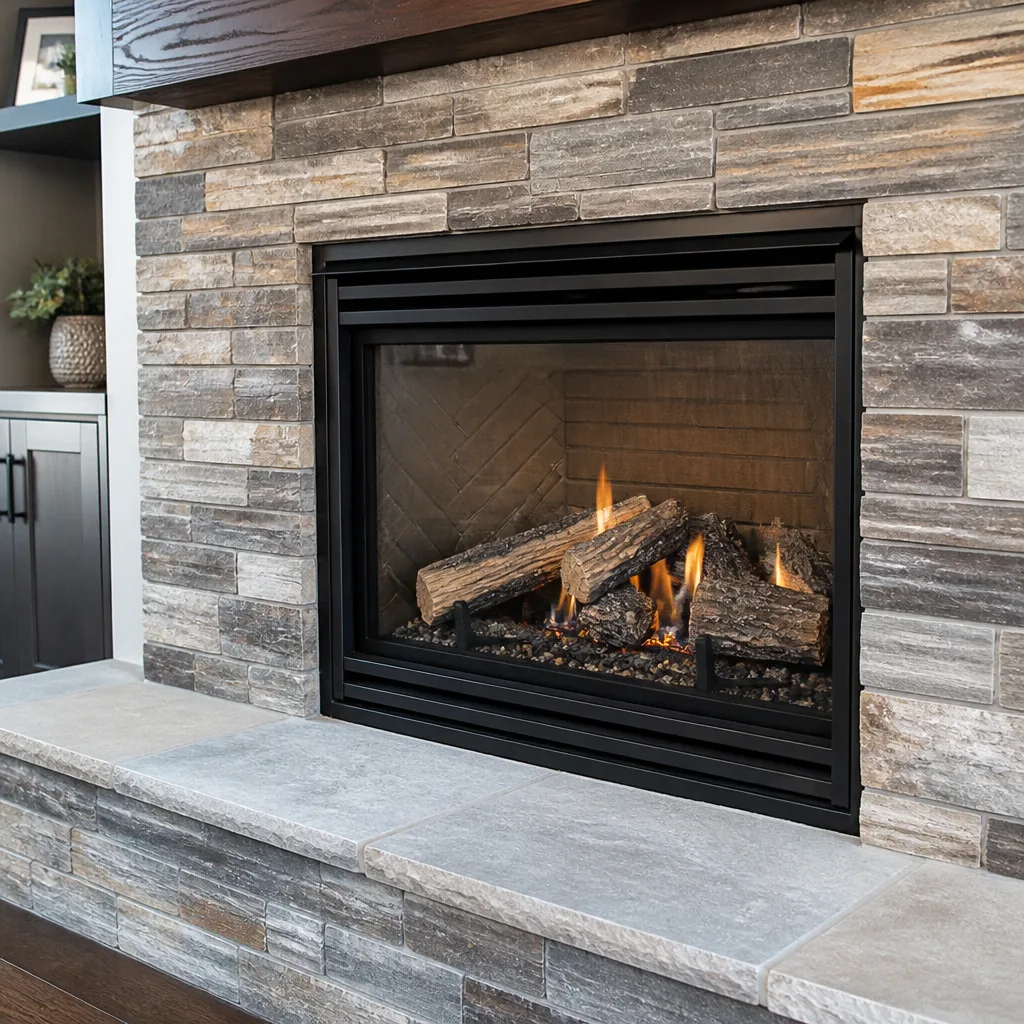 Gas fireplace service
Level 1 sweep and inspection to the NFPA 211 annual standard - flue, crown, cap, and flashing checked and photographed
Chimney sweep logs do not sweep chimneys. They loosen some creosote - which then falls where a brush and vacuum still have to collect it.
Seasonal Chimney Cleaning Care for Edmonds: Year-Round Homeowner’s Guide
Most chimney care advice is written for places with a real winter. You clean in the fall, you burn through the cold months, you stop in spring, and the calendar repeats. Edmonds doesn’t run on that schedule. Cold snaps show up in November and again in March, sometimes in April, and a fireplace here can see steady use across eight months of the year. That means the standard once-a-year fall sweep leaves Edmonds homeowners guessing: clean now, or wait? This guide replaces the generic calendar with one built around how Edmonds actually burns, how the wet months between June and September treat a sealed flue, and how to know when your chimney needs attention a second time inside a single season.
Quick Answer
In Edmonds, the right time to clean a chimney depends on how much you burned, not on the month. A homeowner burning regularly through the shoulder season often needs a sweep in late winter or early spring rather than only in fall, and a mid-season check makes sense if you’re burning heavily. The short version: sweep after your real burning season ends, not before it starts, and inspect before you light the first fire of the next one.
Styles & brands we work with
- Sweep & inspection
- Caps & crowns
- Flue relining
- Masonry repair
- Gas fireplace service
Table of Contents
- Why the Standard Fall Sweep Calendar Fails in Edmonds
- The Extended Shoulder Season and What It Means for Cleaning Timing
- Summer Moisture and What Happens to a Sealed Flue Between June and September
- Spring Post-Season Tasks That Protect Liner and Mortar
- Winter Mid-Season Checks: When a Second Cleaning Makes Sense
- Adjusting Frequency by the Wood You Burn
- A Year-Round Edmonds Chimney Checklist
- Common Mistakes to Avoid
Why the Standard Fall Sweep Calendar Fails in Edmonds
Chimney cleaning advice usually assumes one thing: a single, obvious burning season with a clean start and a clean end. Inland Washington fits that model well enough. Cold arrives, stays, leaves, and by the time the weather turns you know exactly how much wood you went through. Edmonds sits in a different pattern. Puget Sound weather keeps winters mild on average, but it also delivers cold snaps that arrive early, linger late, and push homeowners back to the fireplace long after they assumed the season was done.
What that produces is a burning profile with no clean edges. A household might light fires in November, back off in January, return in February and March, and put in a few more in April when a cold front slides through. By the time genuine spring arrives, the flue has accumulated creosote across all of those separate stretches, and a fall sweep performed the previous October never saw any of it.
There’s a second local wrinkle that inland guides skip: the wet season. Edmonds gets a lot of rain spread across many months, and that moisture interacts with a chimney in ways dry climates don’t have to plan for. A flue that sat sealed and damp through summer can arrive at fall in worse condition than it left spring, which is exactly backwards from what a fall-only cleaning schedule assumes.
The practical fix is to stop treating cleaning as a fall ritual and start treating it as a response to how your chimney has actually been used. That means reading your own burn pattern, understanding what happens to the structure during the off months, and knowing the signs that tell you it’s time to book a service.
The Extended Shoulder Season and What It Means for Cleaning Timing
The shoulder season in Edmonds isn’t a couple of weeks on either side of winter. It’s a long, uneven stretch where temperatures dip enough to justify a fire, warm back up, and dip again. Many local households burn meaningfully from October into April, which is closer to eight months than to the three or four that inland calendars assume.
That changes the math on when to clean in two specific ways.
- Fall cleaning often comes too early. If you sweep in September or October, you clear out last season’s buildup right before a long stretch of new burning begins. By February you’ve added fresh creosote, and by spring you’ve added more. The sweep was real, but it was positioned at the wrong end of the cycle.
- Late-winter and early-spring cleaning usually fits better. Scheduling a sweep toward the end of your heaviest burning captures an entire season’s accumulation at once and sends you into summer with a clean, inspectable flue. That’s the point when problems are easiest to spot.
That doesn’t mean fall cleaning is pointless. If you moved into a home in Edmonds and don’t know the chimney’s history, a sweep before you light the first fire is sensible regardless of the date. Get a baseline. From there, shift into a rhythm that follows your actual use.
A quick way to decide: count how many fires you had in the last full season. Light use, under a cord of wood and occasional evenings, usually supports one cleaning per year. Heavy use, meaning you’re burning through a cord or more and lighting fires most weeks, often calls for cleaning twice, once at mid-season and once at the end. If you’re not sure, an inspection is the honest way to find out rather than guessing. We inspect before we recommend, which means the answer comes from what’s actually in your flue, not from a default calendar.
Summer Moisture and What Happens to a Sealed Flue Between June and September
Here’s the part that inland guides never address: what a chimney goes through when nobody is using it. During the wet months in Edmonds, a flue that sits dormant still experiences moisture. The chimney is a vertical structure full of masonry, mortar joints, and a liner, all of which move and breathe with the weather.
Where moisture gets in, it does its damage slowly and invisibly:
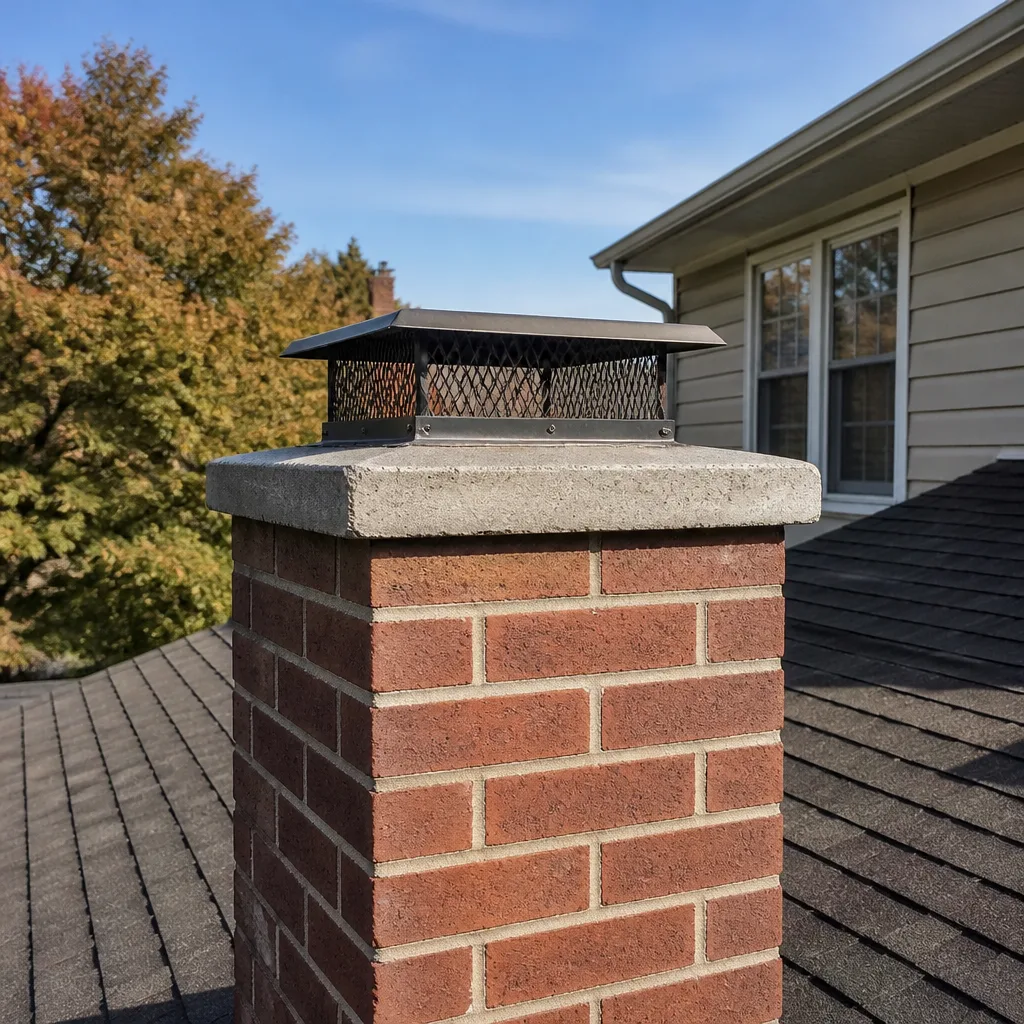
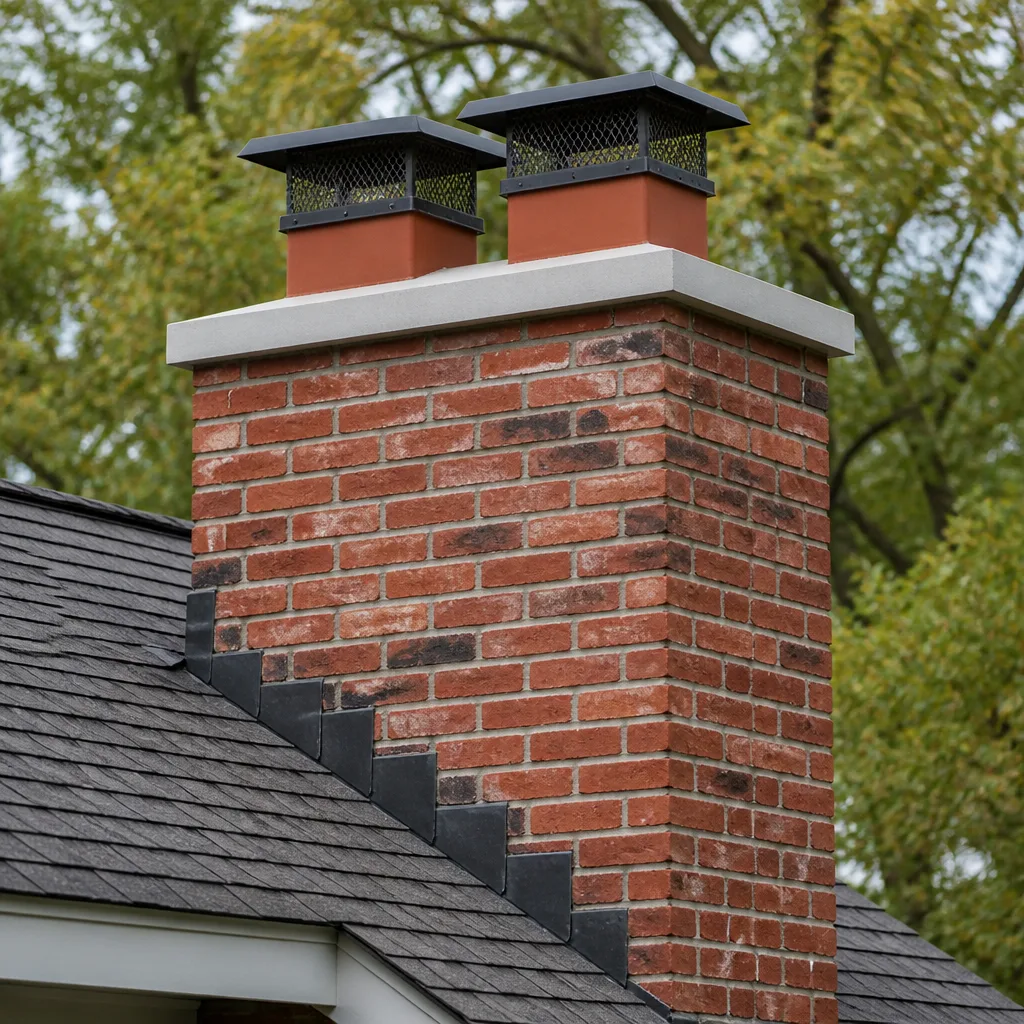
- At the crown. The crown is the concrete or masonry cap at the very top of the chimney. Cracks and gaps let water run down into the structure rather than shedding off it.
- At the cap. A missing or damaged chimney cap lets rain fall straight into the flue. It also lets animals in, and nests block airflow.
- At mortar joints. Water that gets behind the masonry finds the joints between bricks and begins to freeze and thaw through the cooler nights, which widens the gaps over time.
- Inside the liner. A cracked or deteriorated flue liner exposed to moisture degrades faster, and a compromised liner is one of the most common findings an inspection turns up.
None of these announce themselves. You won’t smell a crack in the crown from your living room. What you might notice is a faint musty odor near the fireplace in early fall, or a rusted damper, or a fire that smokes back into the room when you first light it after summer. Those are clues that moisture has been working on the chimney while you weren’t burning.
The fix for this is straightforward and mostly structural. A well-fitted chimney cap and a sound crown address the two most common entry points at the top of the chimney. Where we find a damaged crown, we can rebuild it. Where a cap is missing or wrong for the flue size, we can supply and install one. The materials matter, which is one reason we work with trade-spec brands like Copperfield for caps and venting rather than hardware-store substitutes that don’t hold up to a Puget Sound wet season.
There’s also a simple summertime habit worth building: check the firebox for damp or musty odors once in July and once in August. If either shows up, it’s worth an inspection before fall rather than after.
Spring Post-Season Tasks That Protect Liner and Mortar
The spring work after your burning season ends is the most valuable part of the year for chimney longevity in Edmonds. Once you’ve stopped burning, you have a window in which the chimney is safe to inspect and repair before it sits idle through the wet months.
Here’s a sensible order of operations:
- Do a final sweep. Clear the creosote that accumulated over the whole season. This is the last good look you’ll get before fall.
- Get the inspection done now, not in September. A camera inspection done in spring gives you time to plan a repair before the weather closes in, rather than discovering a cracked crown in October and scrambling.
- Address the top of the chimney. Look at the crown and cap specifically. Water intrusion starts here more often than anywhere else, so this is the priority repair.
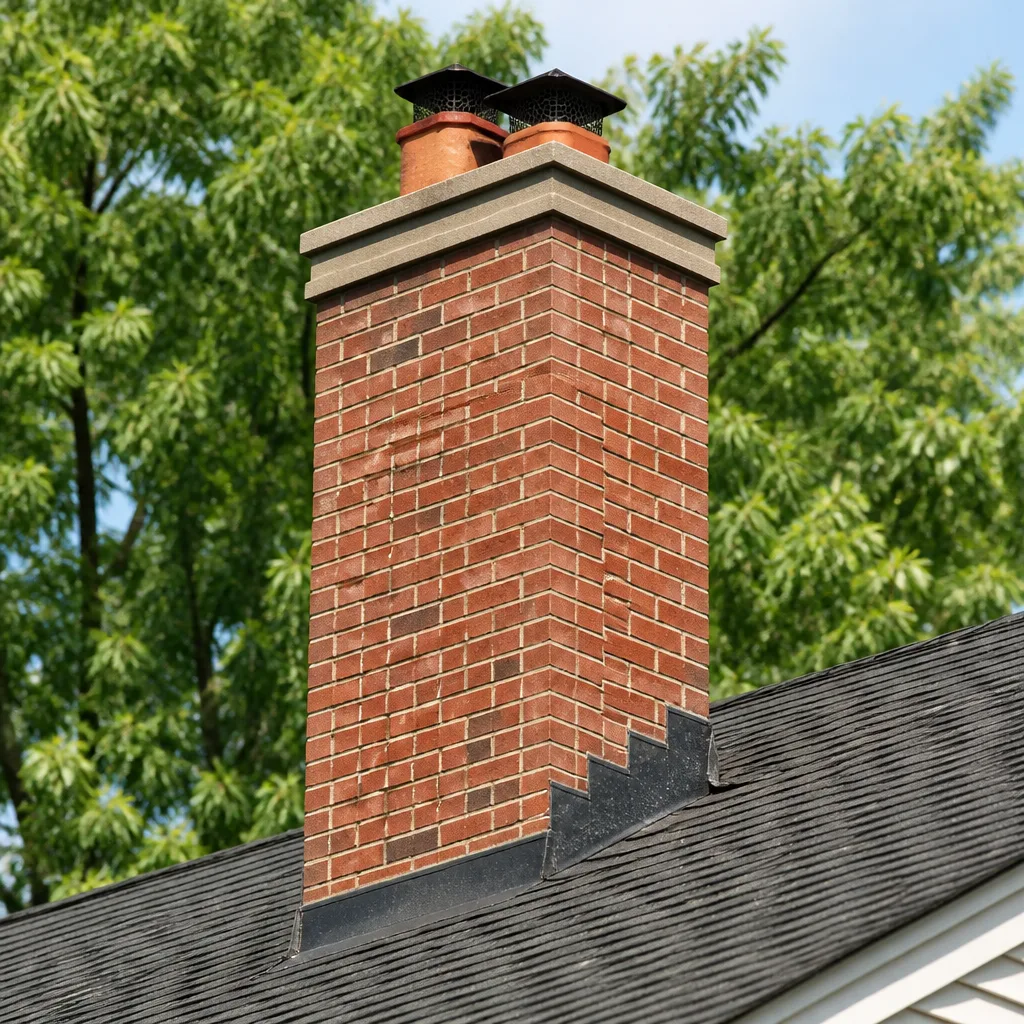
- Tend the mortar and flashing. Repointing loose mortar joints and resealing flashing around the chimney base keeps water from finding its way in through the roof line.
- Check the damper. It should close cleanly and seal. A damper that stays partly open all summer lets hot, damp air and pests into the flue.
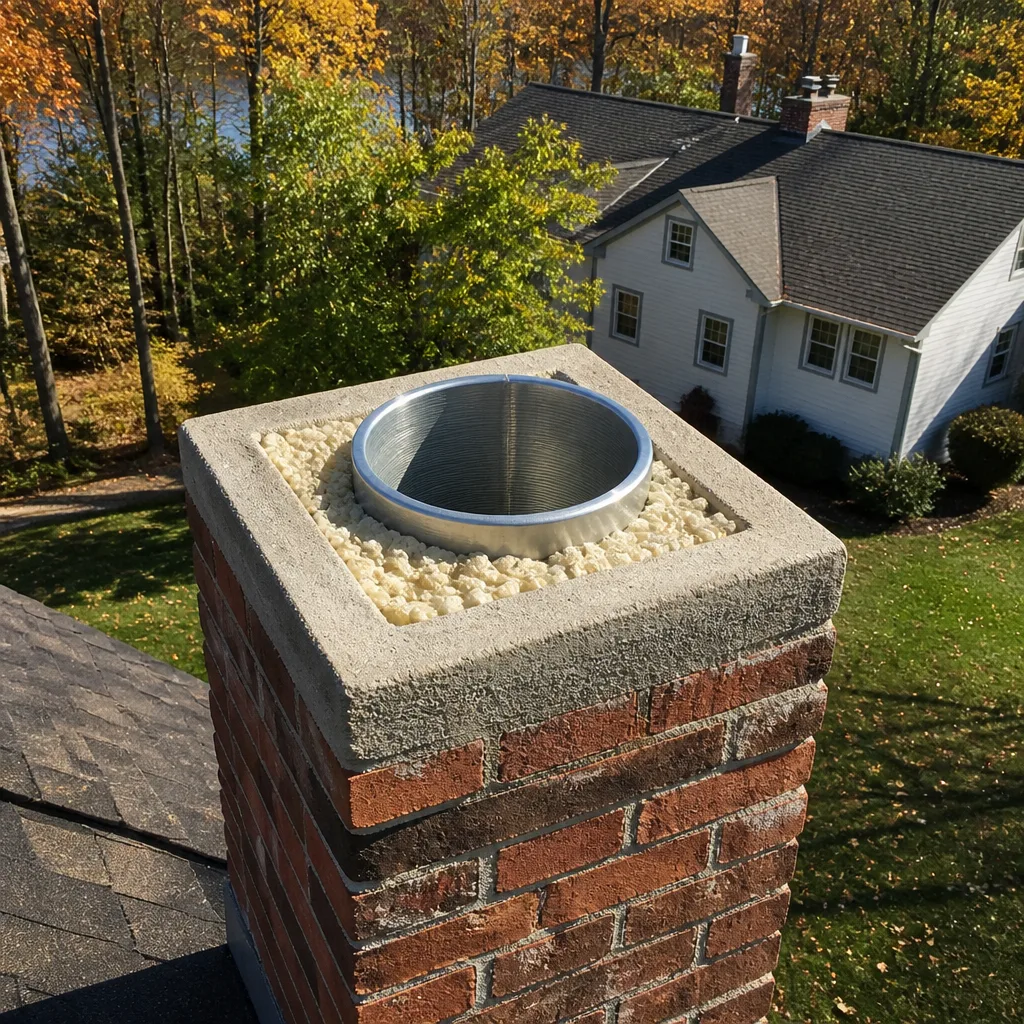
On the liner front, spring is also the best time to deal with a compromised flue liner while there’s time to do it right. We work with HeatShield resurfacing for liners that qualify, which addresses deterioration without a full tear-out. Where a liner needs replacing entirely, a DuraFlex flexible liner system handles the relining properly. Both paths are about getting to fall with a sound flue rather than patching something in a hurry.
This is the time of year when the outside work pays for itself. A chimney in Edmonds that goes into summer weather-tight arrives at fall in the same condition it left spring. One that doesn’t will spend the wet months getting quietly worse.
Winter Mid-Season Checks: When a Second Cleaning Makes Sense
Most homeowners expect to clean once and be done. In Edmonds, a single-season second cleaning is genuinely warranted in certain cases, and knowing the signs is what separates a well-maintained chimney from one that’s quietly accumulating creosote it can’t clear.
A mid-season cleaning is worth considering when:
- You’re burning more than a cord of wood. Heavy use accumulates creosote faster, and one cleaning at the end of the season isn’t enough to keep the flue clean through it.
- You’ve noticed a drop in draft. If the fire is smoking back, or the flue feels slower than it did earlier in the season, that’s often buildup or a partial blockage.
- You’ve been burning wet or unseasoned wood. Wood that hasn’t dried properly produces far more creosote per fire, and it piles up quickly.
- You’re burning fires more than a few times a week. Consistent use with no break is different from occasional evening fires.
A secondary sign that’s easy to miss: a hard, glassy creosote formation inside the flue. This is the type of creosote that’s most associated with chimney fire risk, and it doesn’t brush off easily. If an inspection shows it, we’re honest about the removal plan rather than telling you the sweep covered it.
We don’t recommend a mid-season cleaning as a sales tactic. In our experience, it’s a real need for a specific segment of Edmonds households, and the right call is determined by an inspection, not by a schedule printed on a flyer.
Adjusting Frequency by the Wood You Burn
How much creosote your chimney accumulates depends heavily on the wood you burn, and the wood available around Snohomish County shapes this in ways worth understanding.
Most cord wood sold locally is a mix. Buyers often get combinations of fir, hemlock, maple, and alder, with some birch and other species mixed in. The key variable is moisture content, not necessarily species. Wood that hasn’t been seasoned long enough still holds a lot of water, and burning wet wood produces far more creosote smoke than dry wood because the fire has to work harder to burn off the moisture before it can burn the wood.
Here’s how that translates into frequency:
- Well-seasoned, dry hard wood: Lower creosote production. A single annual cleaning, timed to the end of your burning season, is usually adequate.
- Dry soft wood (fir, hemlock, alder): Burns hotter and faster than hard wood, produces more ash, but moderate creosote if it’s genuinely dry. Annual cleaning typically fits.
- Wet or unseasoned wood: Noticeably higher creosote. Plan on more frequent cleaning, and if that’s your situation, plan around a mid-season check rather than only an end-of-season sweep.
- Mix of dry and questionable: The wet wood pulls down the whole batch. A quick way to check is to split a piece and thump the two halves together. A dry, seasoned piece sounds hollow; a wet one sounds duller.
The practical takeaway: if you bought cord wood recently and it’s still wet, don’t plan your cleaning schedule as though it’s dry. Ask your supplier about the moisture content of the load, and if they don’t know, treat it as wet. That’s the safer assumption, and it changes how often you should have the flue cleaned.
A Year-Round Edmonds Chimney Checklist
Here’s the whole guide condensed into a walkthrough you can keep in one place.
- Before your first fire of the season: Get an inspection. This catches last season’s problems before they become this season’s fire risk.
- End of heavy burning: Book a sweep to clear the creosote from the season. This is your primary cleaning.
- If you burned more than a cord or noticed slow draft: Add a mid-season sweep, roughly halfway through the burning months.
- Spring: After the sweep, address the crown, the cap, the flashing, and any liner issues the inspection identified. Do this now, while there’s time before the wet season.
- Summer: Check for musty odors near the firebox once in mid-summer. A sealed, weather-tight chimney shouldn’t smell.
- Fall, before the first fire: Confirm the cap is in place, the damper seals, and the flue is clear of any animal nests or debris.
Common Mistakes to Avoid
- Cleaning on a fixed calendar instead of by usage. The once-a-year fall sweep assumes a three-month burning season. Edmonds doesn’t have one, so timing the sweep to your actual burning is more important than the month on the calendar.
- Skipping the spring inspection because you already swept. A sweep cleans the flue; an inspection diagnoses the whole chimney, including the crown, cap, flashing, and liner. They’re different jobs, and doing one doesn’t cover the other.
- Leaving the flue open all summer. An open damper lets damp air, pests, and debris straight into the flue during the wettest months. Close it.
- Assuming a wet climate means no cracking. Water intrusion is exactly what cracks crowns, damages mortar, and degrades liners. The wet months are the most damaging part of the year for a chimney that isn’t weather-tight.
- Buying wood based on price and ignoring moisture. Cheap wood that isn’t seasoned costs you in creosote and cleaning frequency. Check before you buy.
- Ignoring creosote buildup until the next scheduled sweep. If your draft feels off or your fire smokes back, that’s a reason to investigate now, not to wait for a spring appointment.
- Trusting a patch over a proper diagnosis. A repair that doesn’t address the cause of the water intrusion will fail again before the end of the next wet season.
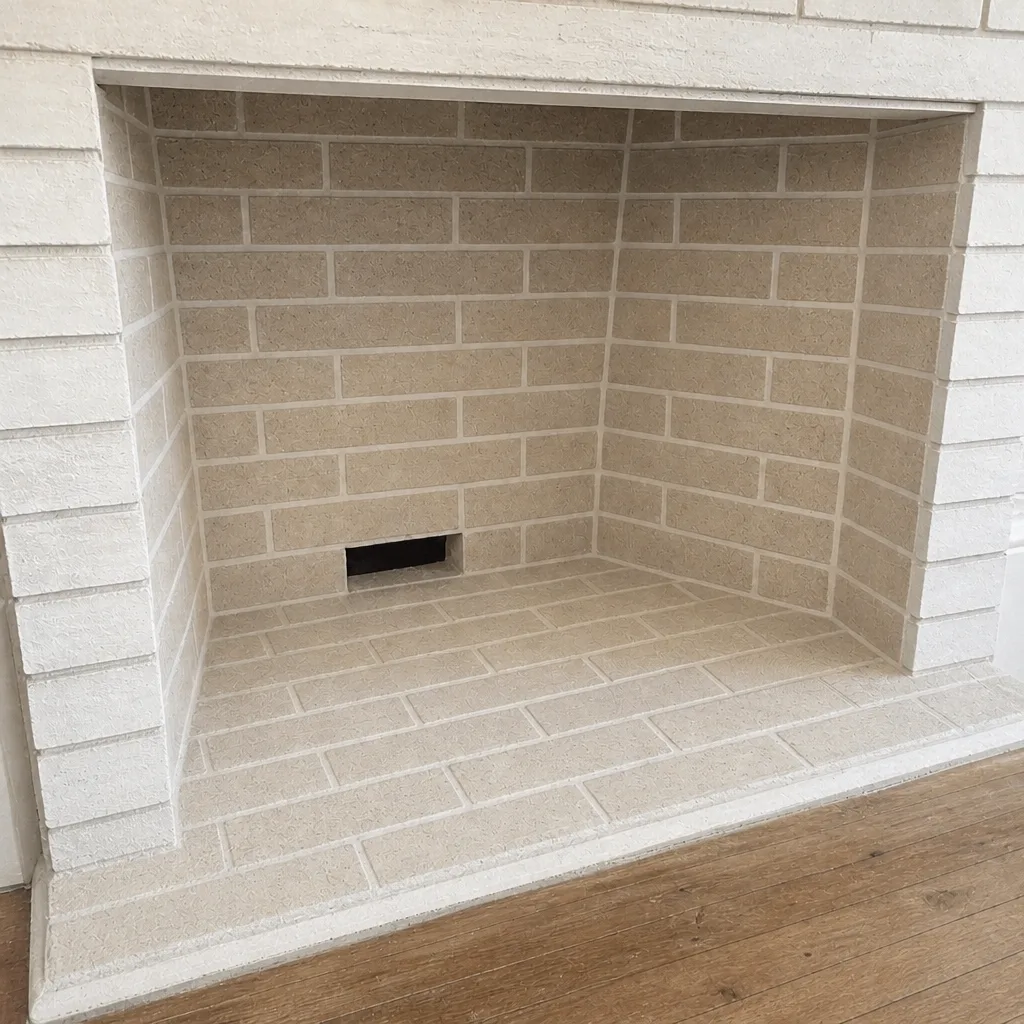
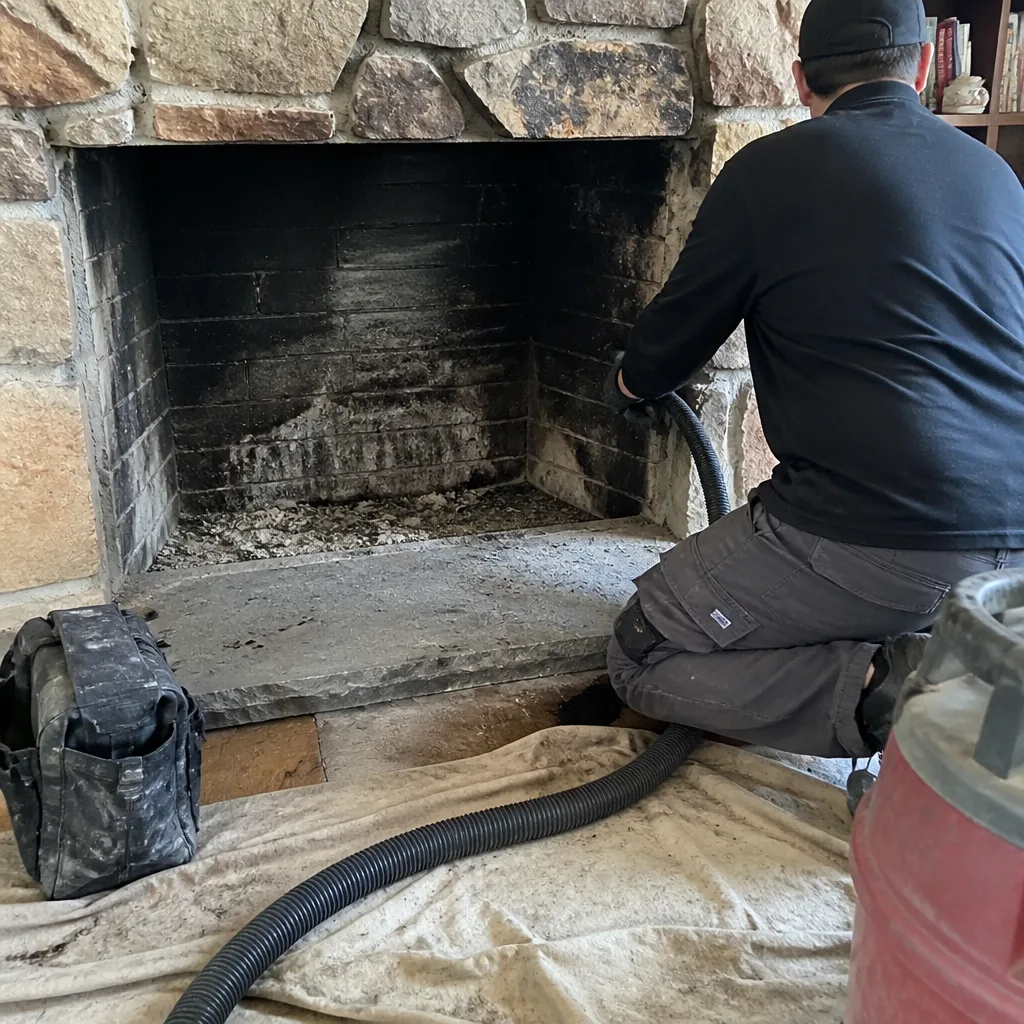
See the difference
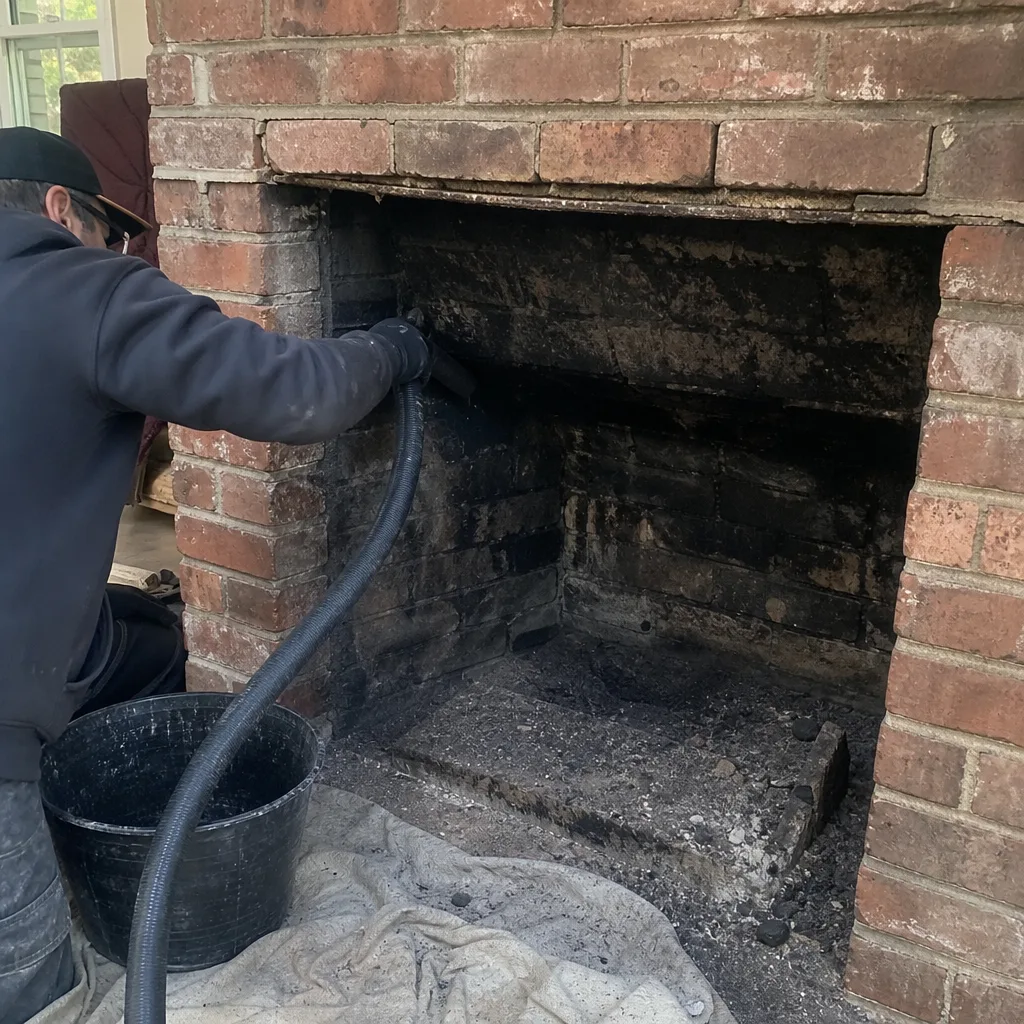 Before
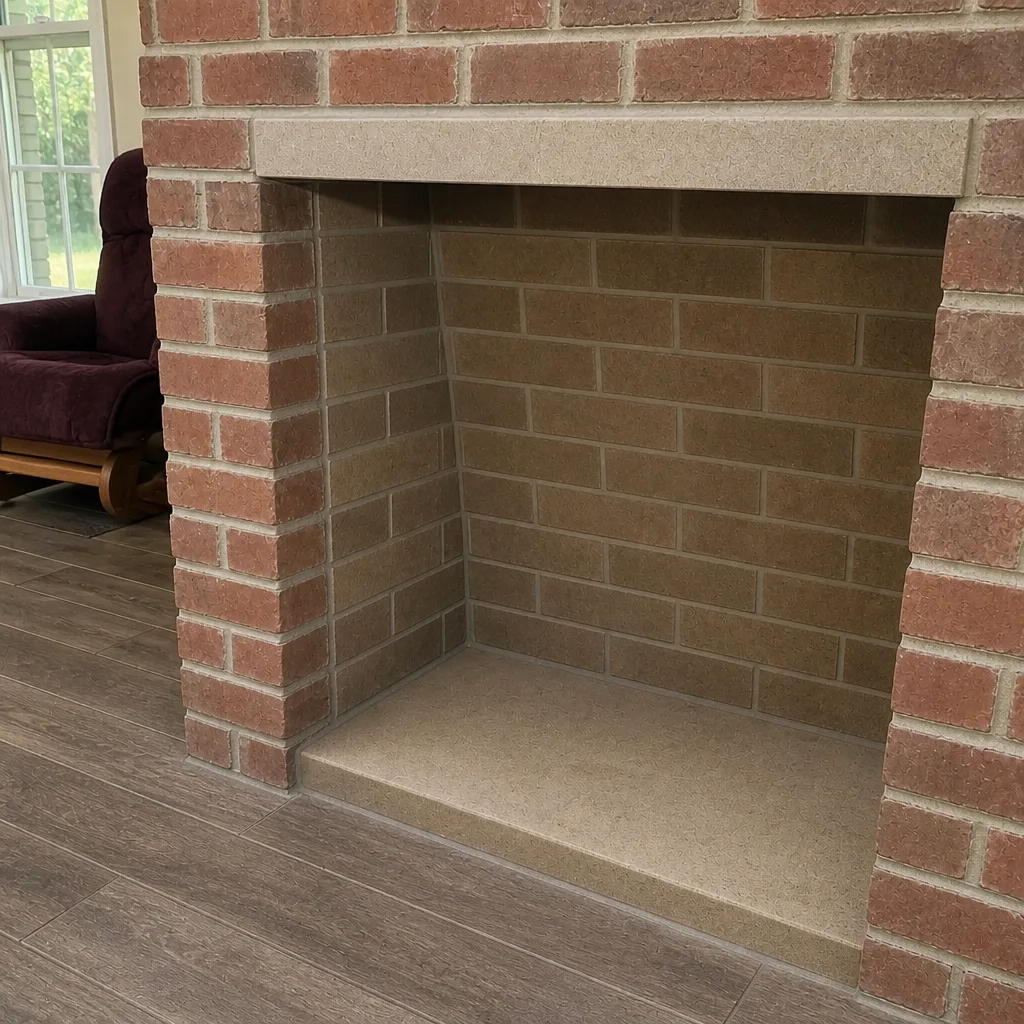 After
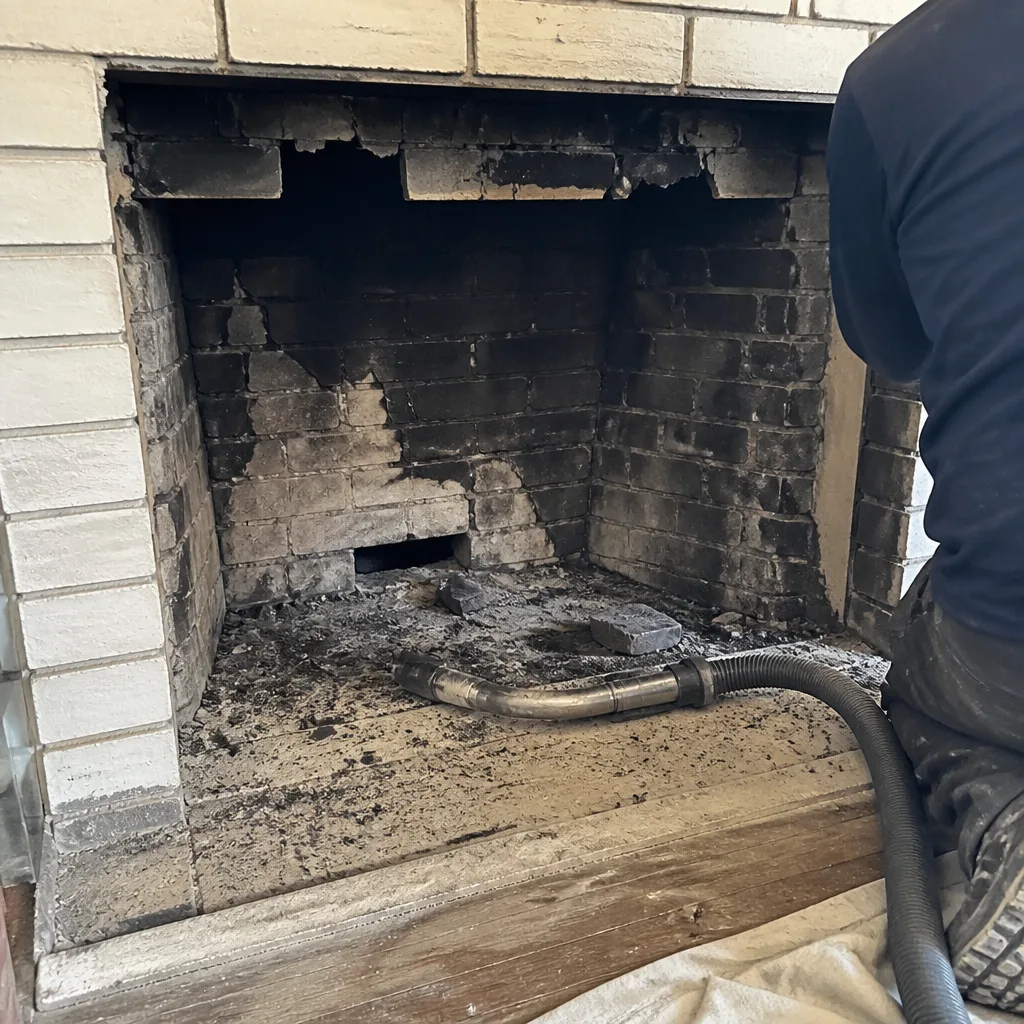 Before
 After
 Before
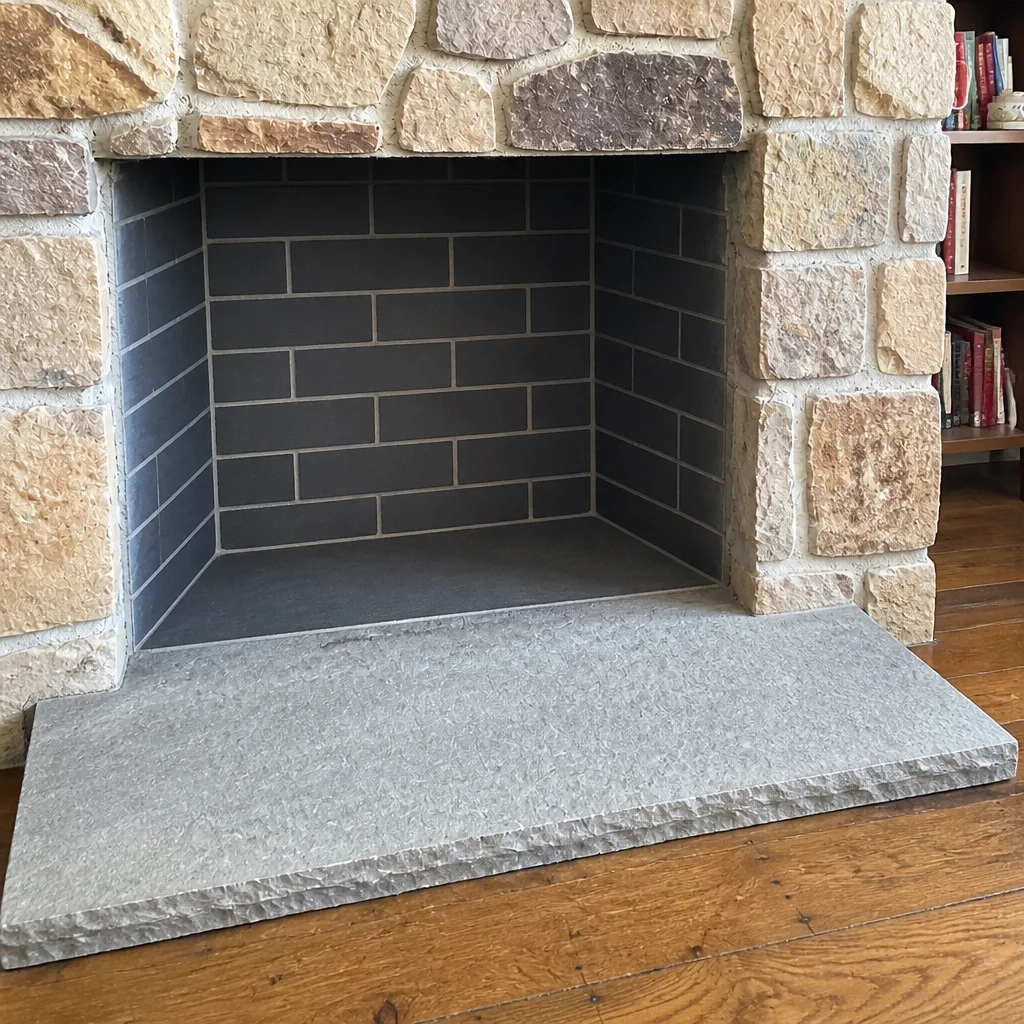 After
When to Call a Professional
Some chimney work can wait. Some clearly can’t. Call us when: your draft has slowed or the fire smokes back into the room; you smell a musty or smoky odor near the fireplace that doesn’t clear; you see cracks in the crown or missing mortar; your cap is damaged or missing; you’ve burned heavily and it’s been more than a year since the last sweep; or you’ve just moved into a home in Edmonds and don’t have a service history for the chimney. Any of those is a reason to book an inspection. The whole-chimney approach here is to inspect before we recommend, so you’re never paying for work the inspection doesn’t justify. Call (855) 726-7158. We answer 24/7. Fast dispatch from 7am to 7pm, Sunday through Friday.
Frequently Asked Questions
Most Edmonds households do well with once-a-year cleaning scheduled at the end of the burning season, plus a lighter mid-season check if they burn heavily. Households using more than a cord of wood per season, or burning wood that isn’t well-seasoned, often need two cleanings per year. The right answer comes from an inspection, not a generic interval. Call (855) 726-7158 to book one.
Musty odors usually point to moisture that entered the flue or masonry during the wet months. A missing cap, a cracked crown, or open mortar joints let water in while the chimney sat idle over summer. Have the chimney inspected before lighting the first fire so the source of moisture can be identified and repaired. Call (855) 726-7158.
For most Edmonds households, spring cleaning at the end of the burning season fits better. It clears the whole season’s creosote at once and gives you time to handle any structural issues while the weather is still dry. A fall sweep still makes sense if you’ve got no service history on the chimney. Call (855) 726-7158 to discuss timing.
Yes. The wet months are the most damaging part of the year for a chimney that isn’t weather-tight. Water causes mortar joints to freeze and thaw, widens cracks in the crown, degrades flue liners, and rust dampers. The cap and crown are the first line of defense against this. Inspect them each spring. Call (855) 726-7158.
If you burned more than a cord of wood, noticed a drop in draft, or used wood that wasn’t well-seasoned, a mid-season cleaning is often warranted. It’s not a default upcharge; it’s a need that shows up in the flue condition. An inspection tells you clearly. Call (855) 726-7158.
Wet, unseasoned wood produces far more creosote than dry wood, regardless of species. In Snohomish County, cord wood is often a mix of fir, hemlock, maple, and alder, and the moisture content is the biggest factor. Split a piece and listen: a dry one sounds hollow, a wet one duller. Call (855) 726-7158 for an assessment.
The Bottom Line
The conventional fall cleaning schedule was designed for climates with a clean winter and a clear cutoff. Edmonds doesn’t have one. Fires here happen across a long shoulder season, sometimes stretching from October into April, and a single fall sweep never sees most of that accumulation. Build a schedule around your real burning habits rather than the calendar. End-of-season cleaning and a spring inspection protect the flue, the liner, and the mortar going into the wet months. Address the cap and crown in spring before summer weather works on them. And when a mid-season check is warranted, treat it as a real finding rather than a formality.
If you want a straightforward assessment of where your chimney stands before the next burn, call Chimney Sweep Edmonds at (855) 726-7158 for a free estimate. We inspect before we recommend, we work with trade-spec materials like DuraFlex, HeatShield, Famco, and Copperfield, and we handle the chimney from the firebox to the crown as one team start to finish. We answer 24/7. Fast dispatch from 7am to 7pm, Sunday through Friday.
Written by the team at Chimney Sweep Edmonds.