
Last updated November 25, 2026
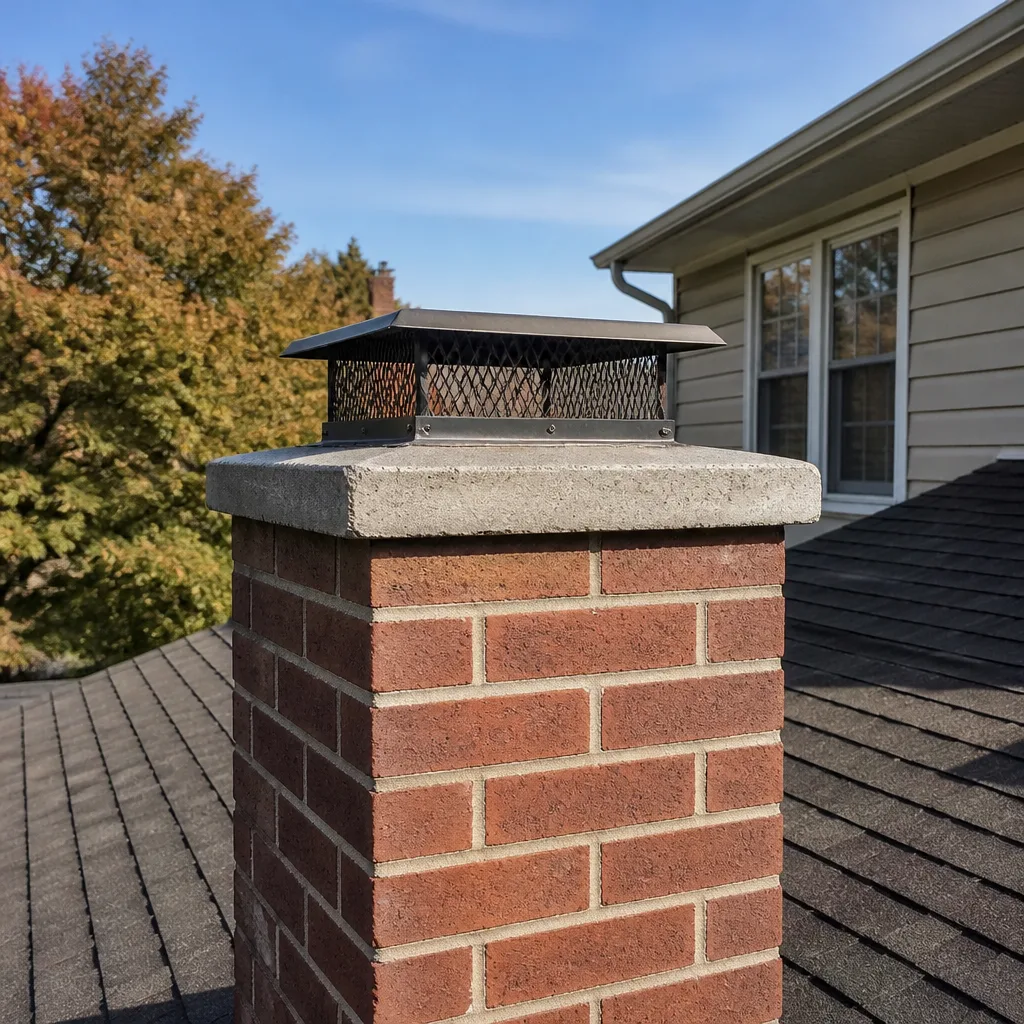 Sweep & inspection
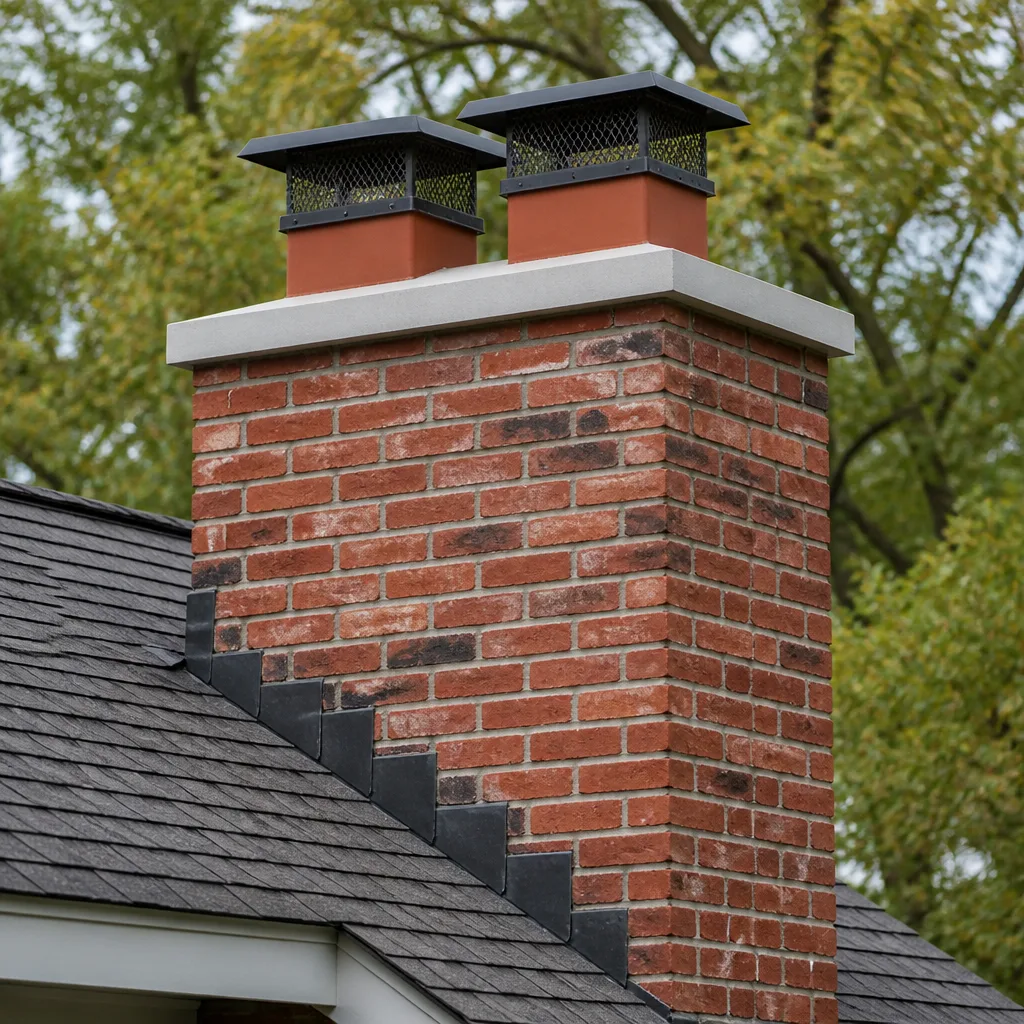 Caps & crowns
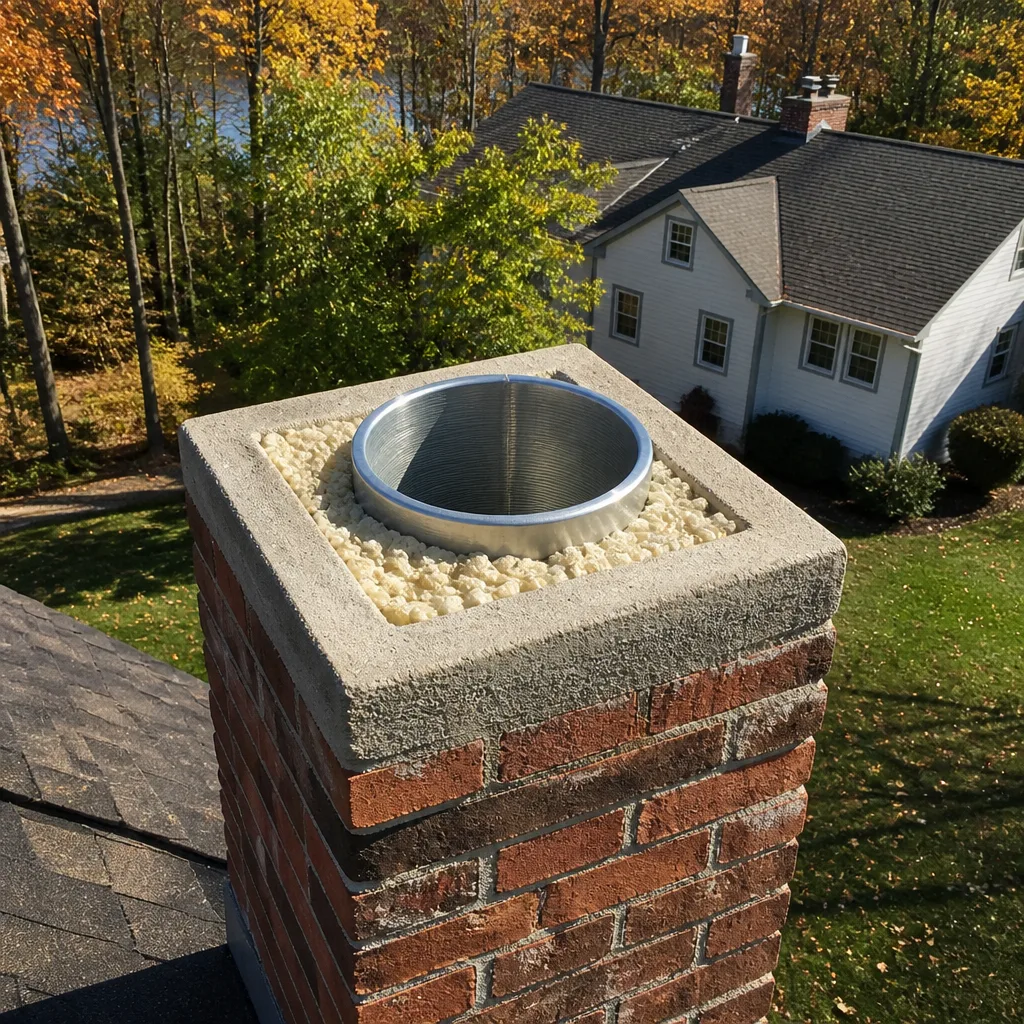 Flue relining
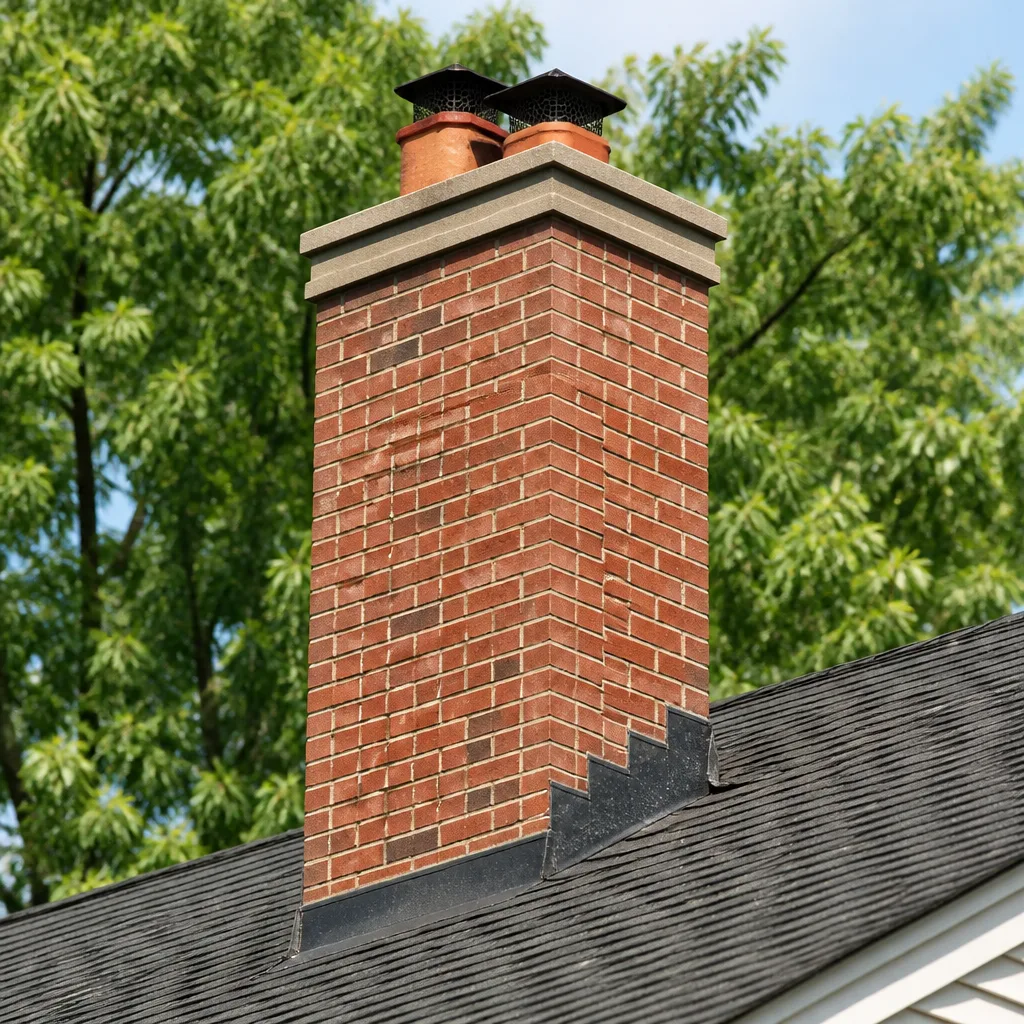 Masonry repair
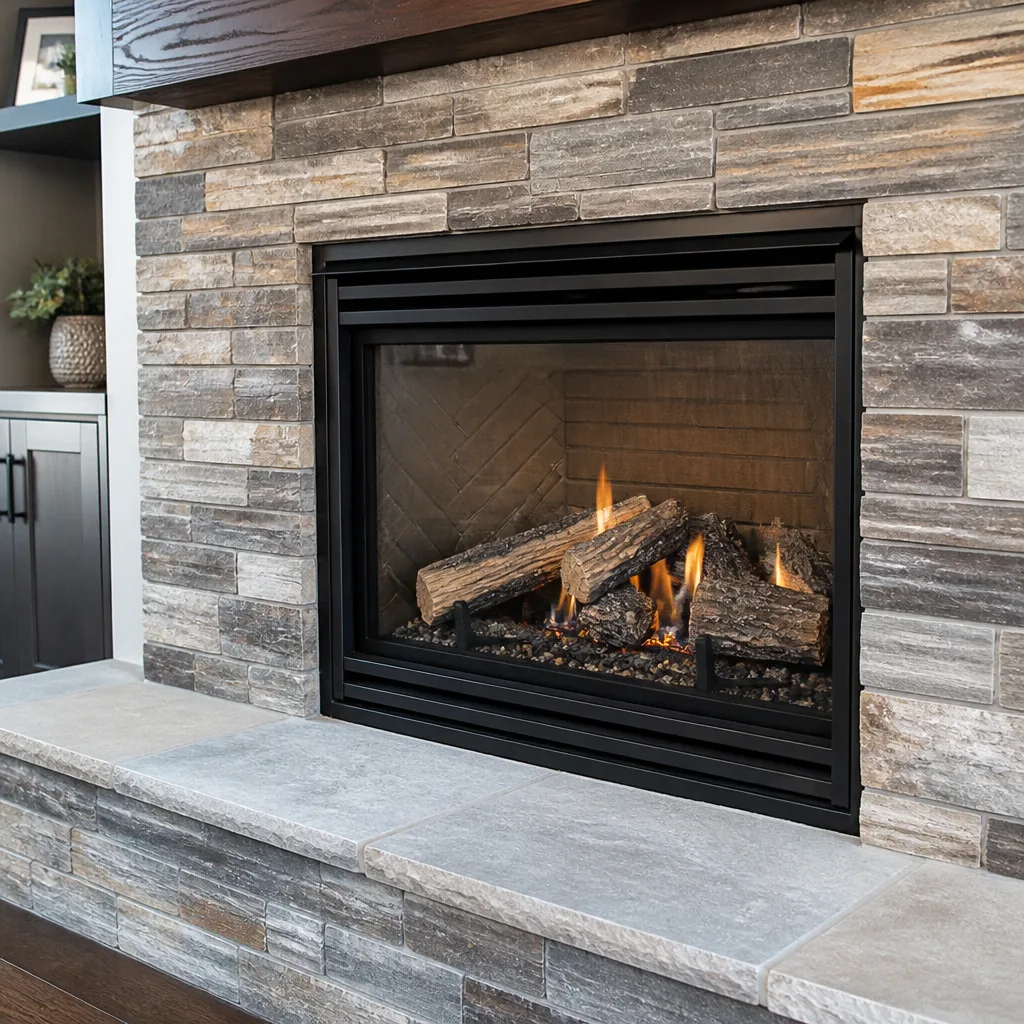 Gas fireplace service
Level 1 sweep and inspection to the NFPA 211 annual standard - flue, crown, cap, and flashing checked and photographed
Chimney sweep logs do not sweep chimneys. They loosen some creosote - which then falls where a brush and vacuum still have to collect it.
How to Hire a Chimney Cleaning Contractor in Edmonds: A Step-by-Step Guide
Most homeowners hire a chimney sweep the way they hire a plumber: check the reviews, compare the quotes, pick a name. That approach works for a leaky faucet. It fails for a chimney, because the person on your roof is making a safety judgment you can’t easily verify from the ground. A CSIA certification is the floor, not the ceiling. Any contractor can pass the exam and still have zero real familiarity with the steel liner systems, offset flues, and prefabricated fireplace units that fill a lot of Edmonds’ older housing stock. This guide shows you how to check technical competence, not just friendliness, before anyone climbs your roof.
Quick Answer
To hire a chimney cleaning contractor in Edmonds, verify three things before you book: current CSIA certification, a valid Washington State contractor registration, and proof the company carries liability insurance and bonds as the state requires. Then ask two technical questions – how they handle offset flues and what they check at the crown – because the answers separate a sweep who understands flue systems from one who only runs a brush. A free written estimate, agreed before any work starts, is your backstop.
Styles & brands we work with
- Sweep & inspection
- Caps & crowns
- Flue relining
- Masonry repair
- Gas fireplace service
Table of Contents
- What credentials should you actually verify?
- How do you test whether a contractor understands flue systems?
- Why do low chimney cleaning bids often signal an upsell model?
- How should you read a chimney inspection report?
- What red flags are specific to the Edmonds market?
- The step-by-step hiring process
- Common mistakes to avoid
- When to call a professional
What credentials should you actually verify?
Three credentials matter, and each one proves something different. None of them guarantees good work on its own.
CSIA certification (Chimney Safety Institute of America) means a technician has passed a standardized exam covering codes, venting, and inspection procedure, and has committed to continuing education to keep the credential current. What it proves: baseline book knowledge and a commitment to a national standard. What it does not prove: hands-on field experience with your particular flue. A newly certified sweep and a technician with a decade on roofs carry the same certificate. Ask how long the person who will actually be on your roof has been doing the work, not just when the company got certified.
NFI certification (National Fireplace Institute) covers hearth appliances – wood stoves, gas inserts, prefabricated fireplaces. It matters more than most homeowners realize. If your Edmonds home has a gas insert or a factory-built fireplace, you want a technician who understands the appliance and its venting, not just the flue above it. Cleaning a prefab unit the same way you’d clean a masonry fireplace can damage the components.
Washington State contractor registration is a business registration through the Department of Labor & Industries. It proves the business is registered and bonded, and it’s how you look up whether the company is in good standing before they show up. Ask for the registration number and check it. This is distinct from the individual technician’s certification – a registered business can still employ an uncertified crew, so verify both.
Add liability insurance and bonding to that list. Ask for proof and don’t apologize for asking. A contractor working a rain-slicked Edmonds roof without proper coverage leaves you exposed if something goes wrong.
How do you test whether a contractor understands flue systems?
This is where the real screening happens. Most homeowners ask “how much for a cleaning?” and stop there. The better move is to ask two or three technical questions and listen to how the contractor answers. Someone who understands flue systems lights up. Someone who only cleans will give vague or deflecting replies.
Here’s what to ask:
- “How do you handle an offset flue?” Many older homes have a flue that jogs sideways through the structure rather than running straight up. A sweep who only carries a standard round brush will struggle with an offset and may not clean it thoroughly. A technician who understands the geometry should describe how they access and brush around the bend, and how they confirm it’s clean.
- “What do you check at the crown and chase cover?” The crown is the concrete or masonry cap at the very top that sheds water away from the flue. The chase cover is the metal surround on a prefabricated chimney. Both are water-intrusion points. A contractor who only cleans will mention neither. A specialist treats crown inspection as part of every visit.
- “How do you assess a steel liner versus a masonry flue?” A flexible steel liner and a clay-tile masonry flue fail in different ways and need different inspection methods. Listen for whether the contractor distinguishes between them or gives you one generic answer.
- “What does your camera inspection look like, and will I see the footage?” Video inspection is standard practice for a reason. A contractor who offers to show you what the camera saw is confident in what it found. One who summarizes without evidence is asking you to trust a black box.
You don’t need to know the answers yourself. You need to hear whether the person giving them does. When you book a chimney sweep, those few questions tell you more than a wall of five-star reviews.
Why do low chimney cleaning bids often signal an upsell model?
A $99 cleaning sounds like a deal. Sometimes it is. Other times the low number is a foot in the door, and the real business happens after the camera comes out. This is worth understanding because it changes how you read the estimate.
The economics are simple. A thorough sweep takes time, uses equipment, and carries real overhead – insurance, certification, vehicle, and the liability of being on a roof. A quote that undercuts the field by a wide margin often has to make its money elsewhere: in the inspection findings that follow. You’ll hear that the flue is “full of creosote,” that a liner is “compromised,” or that a rebuild is urgent. Some of those findings are real. Some are inflated to justify a big repair.
This doesn’t mean every affordable sweep is a scam, and it doesn’t mean an expensive one is honest. It means the price alone tells you very little. What tells you more:
- Does the contractor separate cleaning from repair? A diagnostic-first approach means the sweep and the assessment are two distinct things, and the recommendation comes with evidence.
- Will they show you the camera footage before quoting a repair? Nothing should be recommended without visual proof you can see yourself.
- Will they tell you when work can safely wait? A contractor who says “this can hold another season, we’ll re-check next year” is telling you they’d rather keep you as a customer than oversell you once.
- Is the estimate written and itemized? A vague “we’ll sort out the price” is the opposite of an itemized flat-price sweep agreed before booking.
In our experience, the contractors worth hiring are the ones who’ll talk you out of unnecessary work. That’s a strange sales strategy unless your business is built on repeat customers and referrals – which, in a market like Edmonds, it usually is.
How should you read a chimney inspection report?
An inspection report is either a defensible written assessment or a vague checklist, and the difference matters more than most homeowners realize. A weak report can create a liability paper trail that documents nothing useful – and if a structural issue surfaces later, a report that says “chimney appears okay” protects no one but the contractor.
Here’s what separates the two:
- Specific observations with locations. “Flue interior shows glazed creosote in the upper third” tells you something. “Chimney needs cleaning” tells you nothing you can act on or verify.
- Photographic evidence. A defensible report includes photos of the firebox, damper, flue, crown, and flashing. If you can’t see what they saw, you can’t judge whether their recommendation is sound.
- Condition ratings per component. The flue, the crown, the cap, the flashing, and the firebox each get assessed separately. A report that lumps them together is a report that skipped components.
- Clear distinction between safety issues and maintenance items. A cracked crown that lets water in is a maintenance item that can wait a season. A compromised liner is a safety issue that shouldn’t. A good report sorts these; a bad one dumps them into a single “recommended work” list with a total at the bottom.
- A named inspector and a date. An unsigned, undated checklist is not an inspection report. It’s a receipt.
Ask before you book what their report includes. If a contractor can’t tell you that in plain terms, you’ve learned something. When you need chimney repair based on those findings, you want the same contractor who wrote the report doing the work – one point of accountability from inspection through repair, no handoffs.
What red flags are specific to the Edmonds market?
Edmonds gets a lot of rain, and a lot of it lands on chimneys. That makes water intrusion the most common slow failure in the area, and it changes what to look for in a contractor. A sweep who only cleans and never mentions the top of your chimney is missing the part most likely to fail here.
Watch for these Edmonds-specific red flags:
- No mention of crown or chase cover condition. Rain running down a cracked crown or a rusted chase cover is how water gets into the flue and the house. Any assessment that skips these components isn’t an assessment of your chimney – it’s an assessment of the flue only.
- No flashing check. The metal flashing where the chimney meets the roofline is a classic leak point. In a rain-heavy climate, flashing failure shows up as staining on the ceiling long before it’s obvious on the roof.
- Cleaning-only scope with no repair capability. If the contractor flags crown damage or a compromised liner but can’t fix it, you’re now coordinating another contractor – and the handoff is where things get missed. A specialist who handles cap and crown work, liner resurfacing, and relining under one roof removes that gap.
- Off-the-shelf materials. Weatherproofing and repair done with generic hardware-store sealant or a patched-in cap won’t last the wet season. You want purpose-built products – the kind made for chimney work specifically – not a hardware store fix.
- Reluctance to put findings in writing. A contractor who only tells you verbally what they found is a contractor you can’t hold to anything.
The pattern here is the same across all five: the failures in Edmonds tend to happen at the top and at the seams, not in the firebox. A contractor who doesn’t think about water is a contractor who doesn’t know this market.
The step-by-step hiring process
Here’s the sequence to run, from first inquiry to signed-off job. It works whether you’re hiring for a routine sweep or after a repair quote from someone else.
- Look up the business registration. Before you call, confirm the contractor is registered and bonded with Washington State. It takes a few minutes and eliminates a surprising number of options.
- Ask who will actually be on your roof. Certification belongs to a technician, not a company website. Ask about the experience of the person doing the work, and ask how long the firm has been working on chimney systems. Our technicians have up to 14 years of experience, and we think that’s the kind of detail worth asking any contractor for.
- Ask for proof of liability insurance. Get it before the appointment. Don’t accept “we’re fully insured” as an answer to a request for the certificate.
- Ask the technical questions. Offset flues, crown and chase cover, steel liner versus masonry, camera access. You’re listening for specificity, not a script.
- Get the flat price in writing before booking. A flat-price sweep agreed before you commit removes the surprise line items. Confirm the estimate is free and the written estimate sets the final price.
- Confirm what the report will contain. Ask specifically about photos, per-component condition, and whether you’ll see the camera footage. If you don’t like the answer, walk.
- Read the report and push back if needed. Any recommendation should connect to a specific photo or observation. If it doesn’t, ask why. A competent contractor welcomes the question.
- Get repair work itemized if it’s recommended. Understand which findings are safety issues and which are maintenance. Ask directly what happens if you wait a season.
This is also the checklist to run before hiring for fireplace repair, not just cleaning. The firebox, damper, and hearth are part of the same system, and the same verification applies.
What should the inspection actually cover, from firebox to crown?
A whole-chimney inspection covers the full path of smoke and the full path of water. Most homeowners only think about the firebox, but the top of the chimney is where most failures start. Here’s what a complete walk-through should touch, in order from the bottom up.
- Firebox and hearth: cracks in the firebrick, damaged mortar joints, and the condition of the damper.
- Smoke chamber: the transition above the damper, where years of use leave deposits that need cleaning.
- Flue interior: the liner – whether it’s clay tile, a flexible steel system, or an older unlined flue – and its condition, checked with a camera where needed.
- Crown: the concrete or masonry cap at the top, and whether it’s shedding water away from the flue as it should.
- Chase cover or chimney cap: on a prefabricated unit, the metal chase cover; on a masonry chimney, the spark-arresting cap. Both keep rain and animals out.
- Flashing: where the chimney meets the roof, the most failure-prone seam on the whole assembly.
For liners that are deteriorated but not fully failed, resurfacing with HeatShield can restore the flue without tearing the chimney apart. That’s a repair path that sweep-only companies can’t offer, and it’s worth asking about by name if a contractor quotes you a full rebuild. You don’t have to accept the first answer you hear if the diagnosis is “rebuild.”
Why shouldn’t you accept the first repair quote?
A repair quote you can’t verify is a decision you’re being pressured into. Ask the contractor to connect each recommendation to what the inspection found. If they can’t, the quote has a problem that no discount will fix.
The questions that pressure-test a quote:
- Is this a safety issue or a maintenance item? A compromised liner that lets hot gases into the structure is a safety issue. A hairline crack in the crown is a maintenance item that can often wait a season. Treating every finding as urgent is a sign to slow down.
- Could resurfacing solve this instead of replacing? HeatShield application can repair a damaged liner in place in qualifying chimneys. If your contractor skipped that option, ask whether it applies to yours.
- What happens if I wait? A confident contractor can tell you the timeline – what can hold a season and what can’t. The best answer is honest about both.
- Who does the work? If the same contractor who inspected does the repair, the handoff between one trade and another disappears. When relining calls for a flexible liner system, DuraFlex is one of the trade-spec products a full-scope chimney specialist works with.
The most common repair failure here isn’t the one flagged. It’s the one you never saw because the inspection report was too vague to document it. Get the report right, and the repair decisions take care of themselves. Call Chimney Sweep Edmonds when you need that full assessment done and a written report you can hold to.
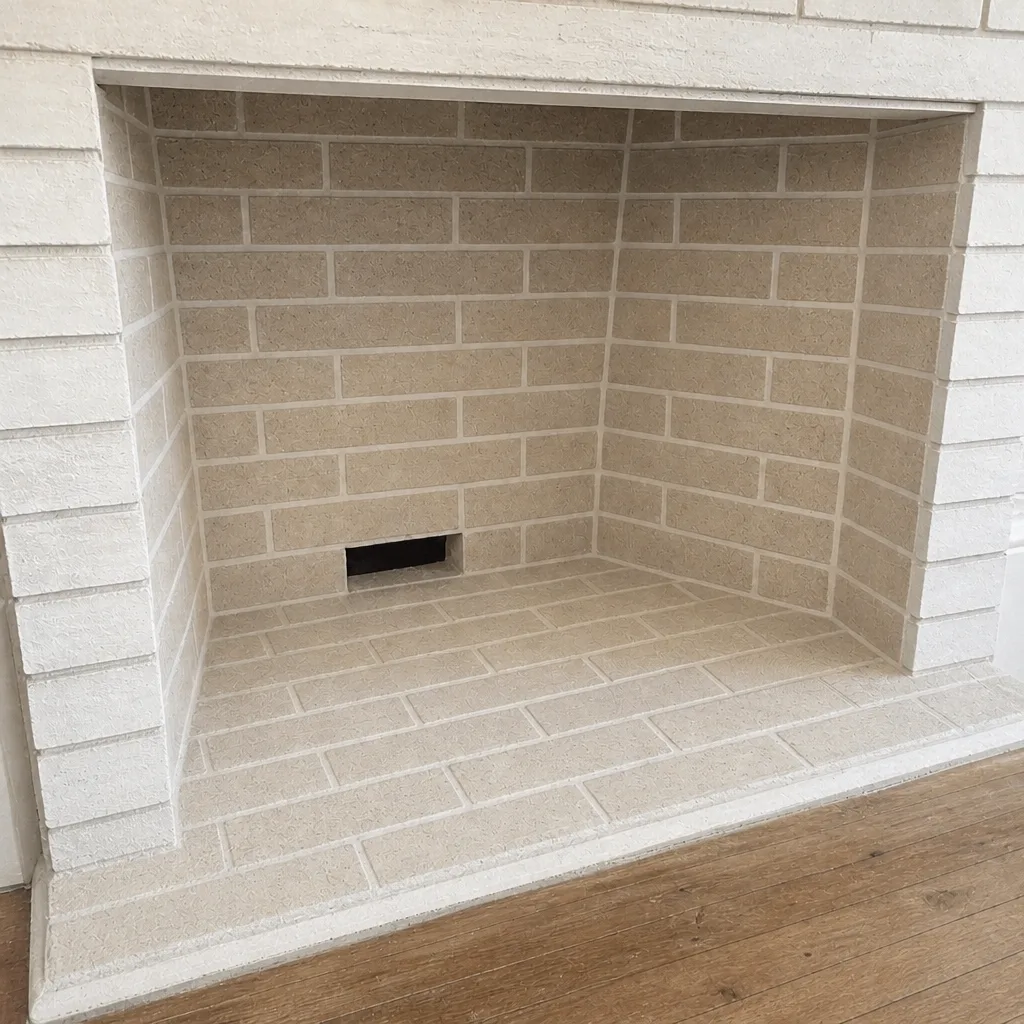
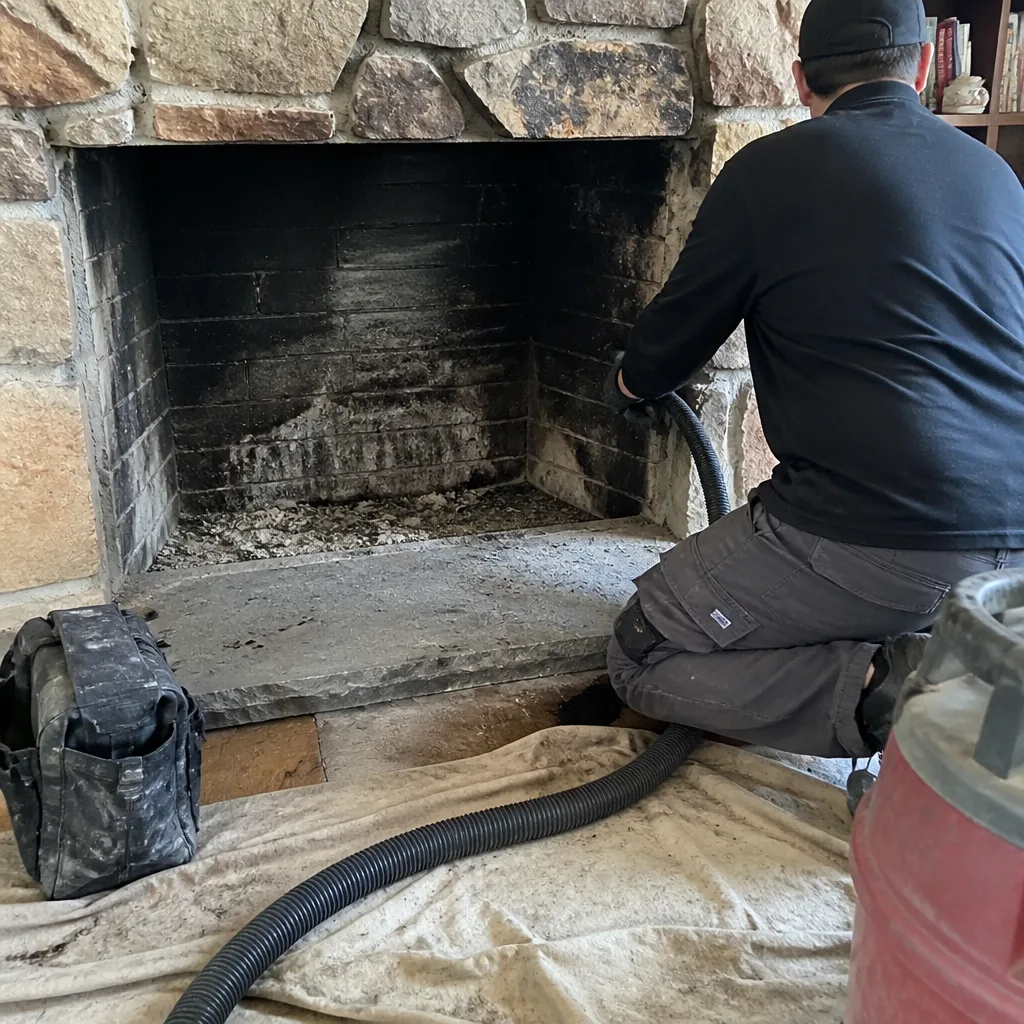
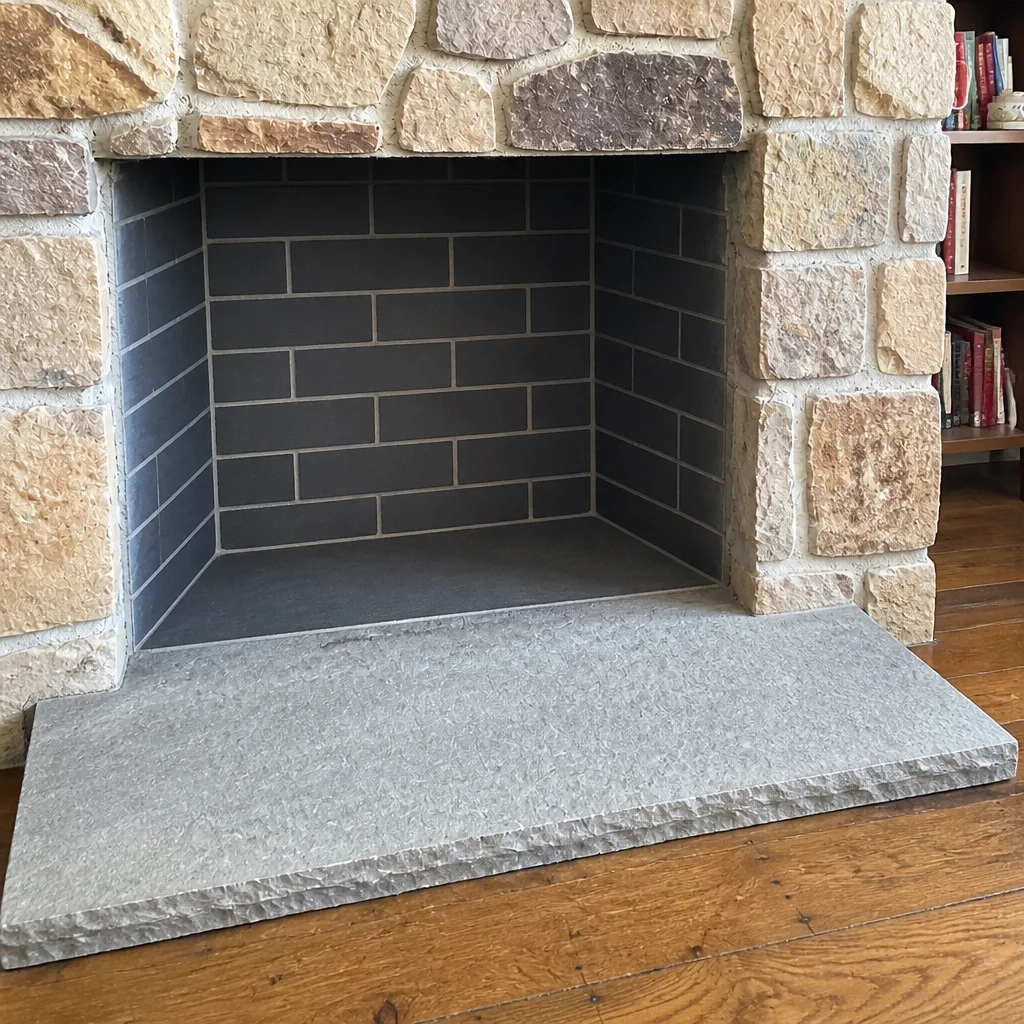
See the difference
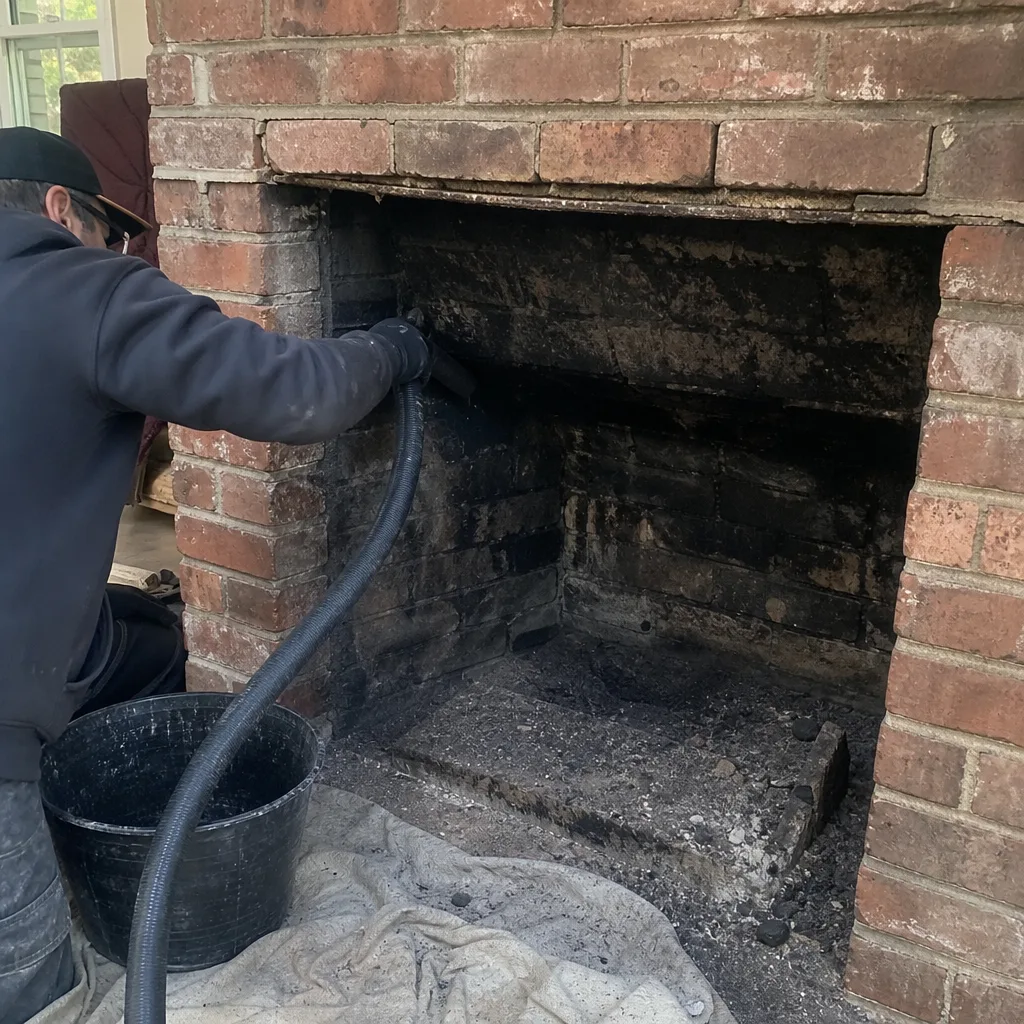 Before
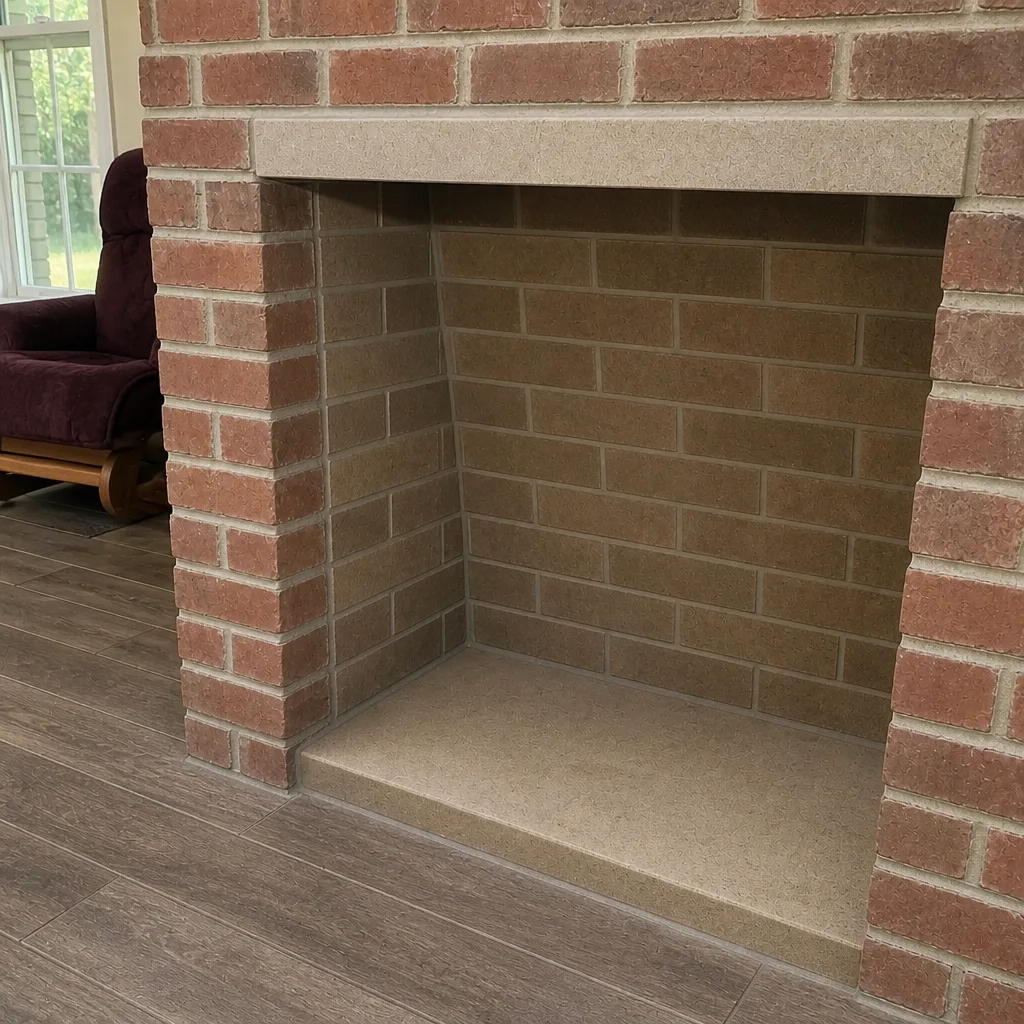 After
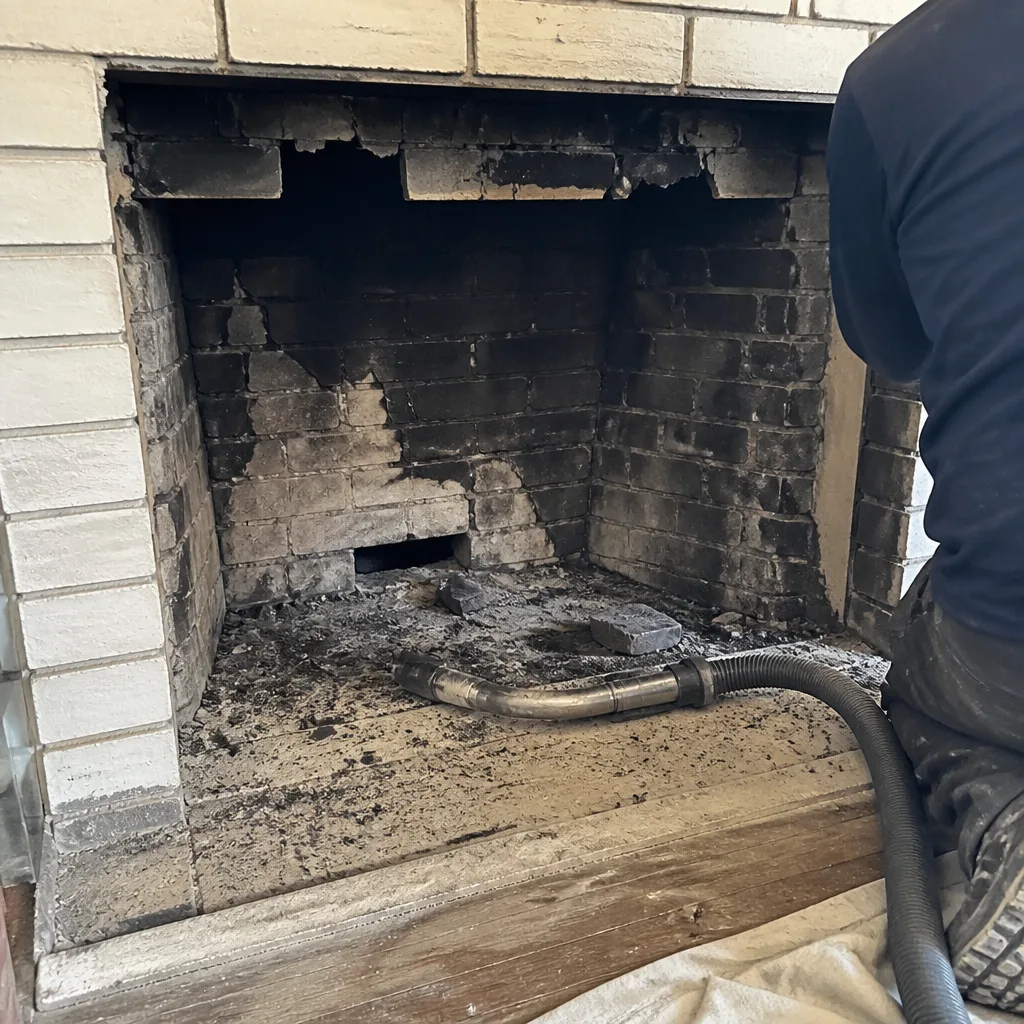 Before
 After
 Before
 After
Common Mistakes to Avoid
- Booking on price alone. The cheapest quote often turns into the biggest invoice after the inspection findings. Look at what’s included in the flat price and what the report covers, not just the number.
- Skipping the state registration check. A glowing set of online reviews doesn’t confirm the business is registered and bonded with Washington State. Look it up before you call.
- Confusing certification with experience. A CSIA certification proves exam knowledge, not field time with offset flues and prefabricated fireplaces. Ask about the person doing the work, not just the company’s credentials.
- Accepting a verbal summary instead of a written report. Without a written report with photos and per-component findings, you have no record – and a vague report protects the contractor, not you.
- Ignoring the top of the chimney. In Edmonds, water intrusion through a failed crown, rusted chase cover, or bad flashing is the most common slow failure. A contractor who doesn’t mention any of these has skipped half the inspection.
- Treating cleaning and repair as separate contractors. When one company writes the report and another fixes the findings, the seam between them is where things get missed. Look for a specialist who handles the whole job, from firebox to crown.
- Not asking whether a repair can safely wait. If every contractor you talk to frames every finding as urgent, you’re talking to someone selling urgency, not competence.
When to Call a Professional
Some chimney work is a straightforward annual sweep. Other signs mean you should be on the phone sooner. Call a professional if you notice a strong smoky odor in the firebox between fires, a visible crack in the crown or chase cover, rust stains on the firebox or damper, staining on the ceiling near the chimney, or any flue that hasn’t had a documented inspection in recent memory. Stop burning and call immediately if you smell gas, see creosote or soot around a gas appliance, or have any reason to think a liner is compromised. Chimney fires and carbon monoxide problems both start small and go unnoticed until they don’t, and a camera inspection is how you find them early. Chimney Sweep Edmonds offers free estimates in Edmonds – call (855) 726-7158. We answer 24/7. Fast dispatch from 7am to 7pm, Sunday through Friday.
Frequently Asked Questions
Cost varies with the type of chimney and how much cleaning it needs, so the honest answer is that you get a flat price in writing before we book. The written estimate sets the final price, and the estimate is free. Don’t accept a verbal “we’ll see when we get there” – that’s exactly how low-bid, upsell models get their margin. Call (855) 726-7158 for an exact quote – estimates are free.
Not always. Some flues can be resurfaced in place with HeatShield rather than replaced, and others are in fine condition and just need cleaning. The only way to know is a camera inspection, and the recommendation should come with footage you’ve seen. If someone tells you a liner is shot without showing you, ask to see the video before you agree to anything. Call (855) 726-7158 for an exact quote – estimates are free.
A common rule of thumb is once a year with normal use, and more often if you burn heavily. Regular sweeping is about more than cleanliness; it’s the chance to check the crown, flashing, cap, and liner for early failure. Skipping it doesn’t just leave creosote in the flue, it removes the inspection that catches slow failures before they become repairs. Call (855) 726-7158 for an exact quote – estimates are free.
Creosote builds up in the flue, and a chimney fire needs only the right amount of it plus a hot burn. The risk of a chimney fire and the risk of carbon monoxide entering the living space both go up when the flue isn’t inspected. The failures don’t warn you; they show up in the camera inspection before they reach the house. Call (855) 726-7158 for an exact quote – estimates are free.
Yes. Washington State requires contractor registration through the Department of Labor & Industries, and a registered business will give you the number and stand behind it. Registration doesn’t prove the technician is certified, so ask for the CSIA credential separately and confirm the person on your roof is the one holding it. Board-ups and unregistered crews are the ones that leave you with no recourse. Call (855) 726-7158 for an exact quote – estimates are free.
Maybe, maybe not, and the timeline matters. A hairline crack in a masonry crown can often hold a season with a patch, but a split that lets water track into the flue is a different job in a wet climate like Edmonds. Ask the inspector to show you what they saw and ask plainly what happens if you wait until next year. A good contractor will tell you honestly, including when the answer is “this can wait.”
The Bottom Line
Hiring a chimney cleaning contractor in Edmonds is really a competence check, not a price check. Verify the CSIA certification and the Washington State registration, ask the technical questions about offset flues and crown condition, and don’t accept a repair quote without seeing the camera footage. A written inspection with photos, per-component findings, and honest “can wait” guidance is what protects you. If the report is vague, that’s a red flag, not a shortcut. Call Chimney Sweep Edmonds at (855) 726-7158 for a free estimate. We answer 24/7. Fast dispatch is available from 7am to 7pm, Sunday through Friday.
Written by the team at Chimney Sweep Edmonds.