
Last updated November 25, 2026
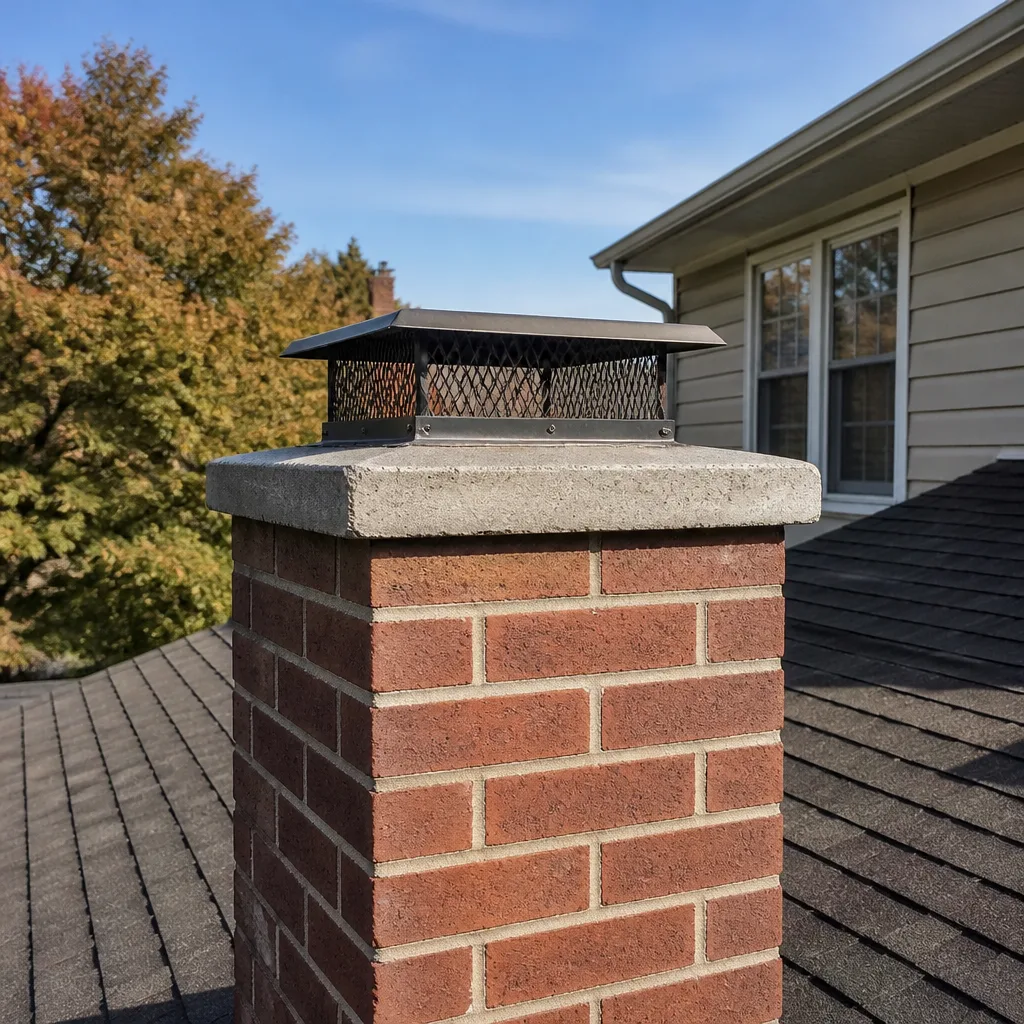 Sweep & inspection
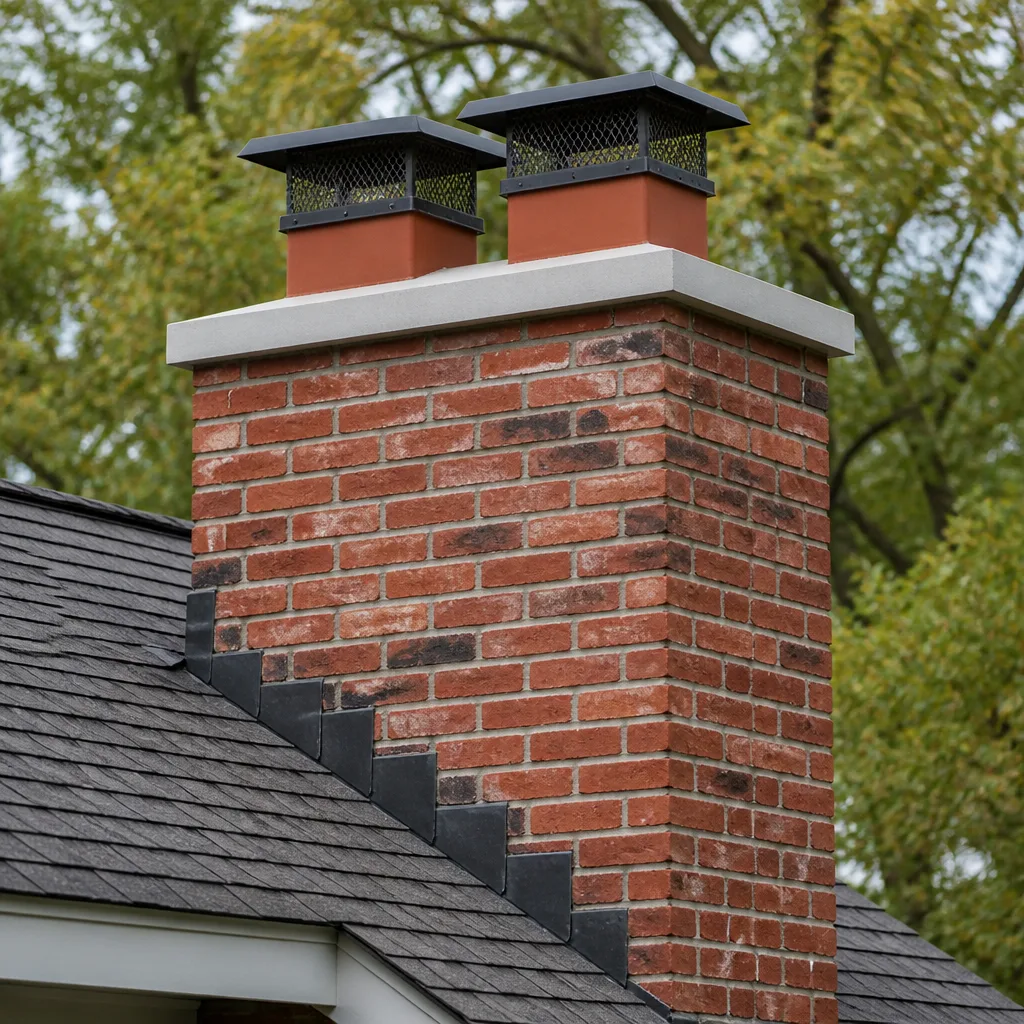 Caps & crowns
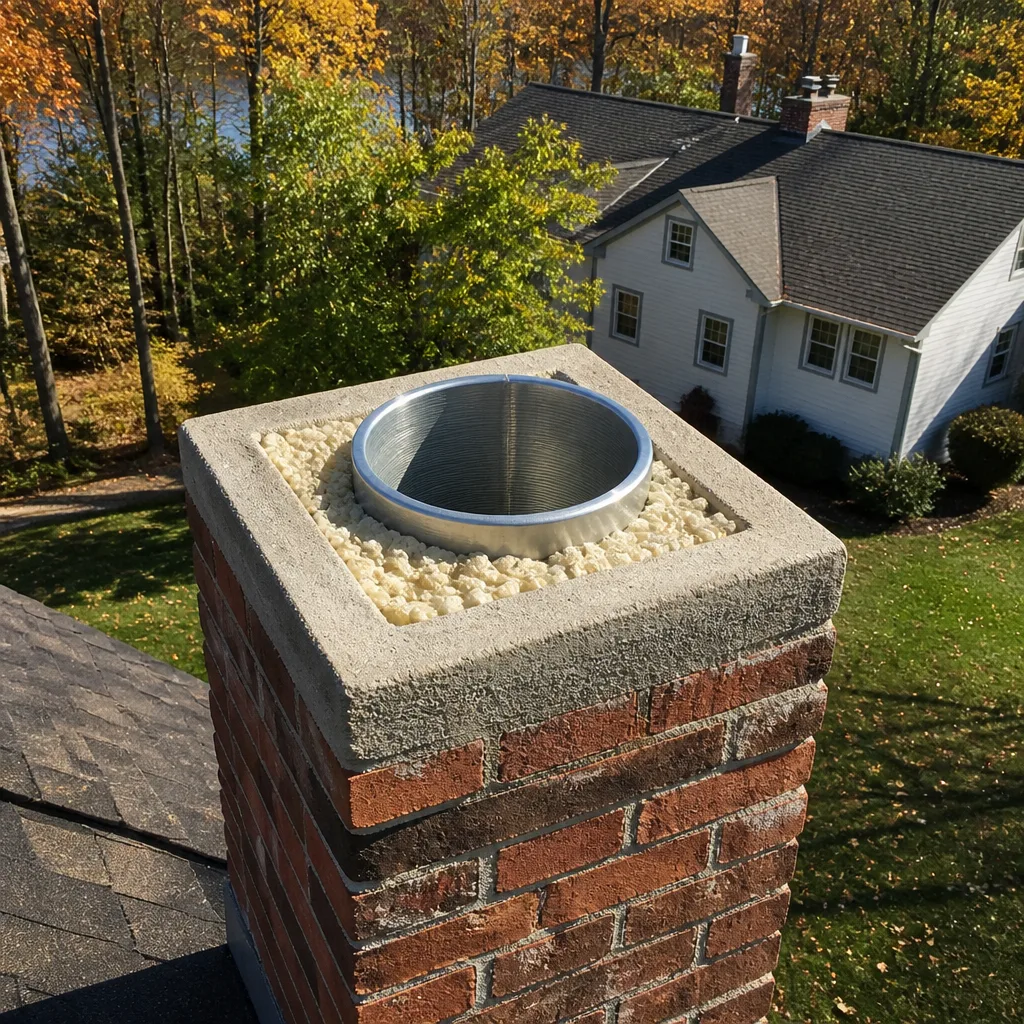 Flue relining
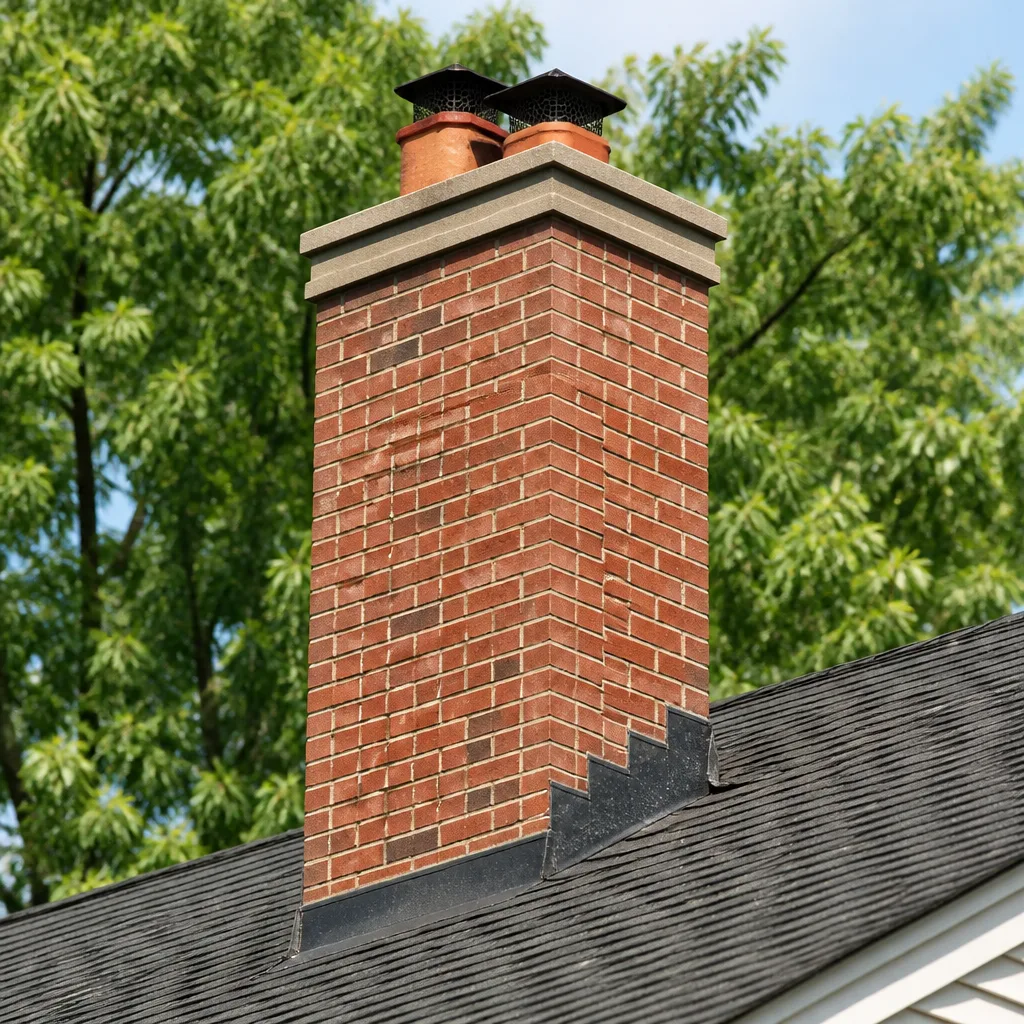 Masonry repair
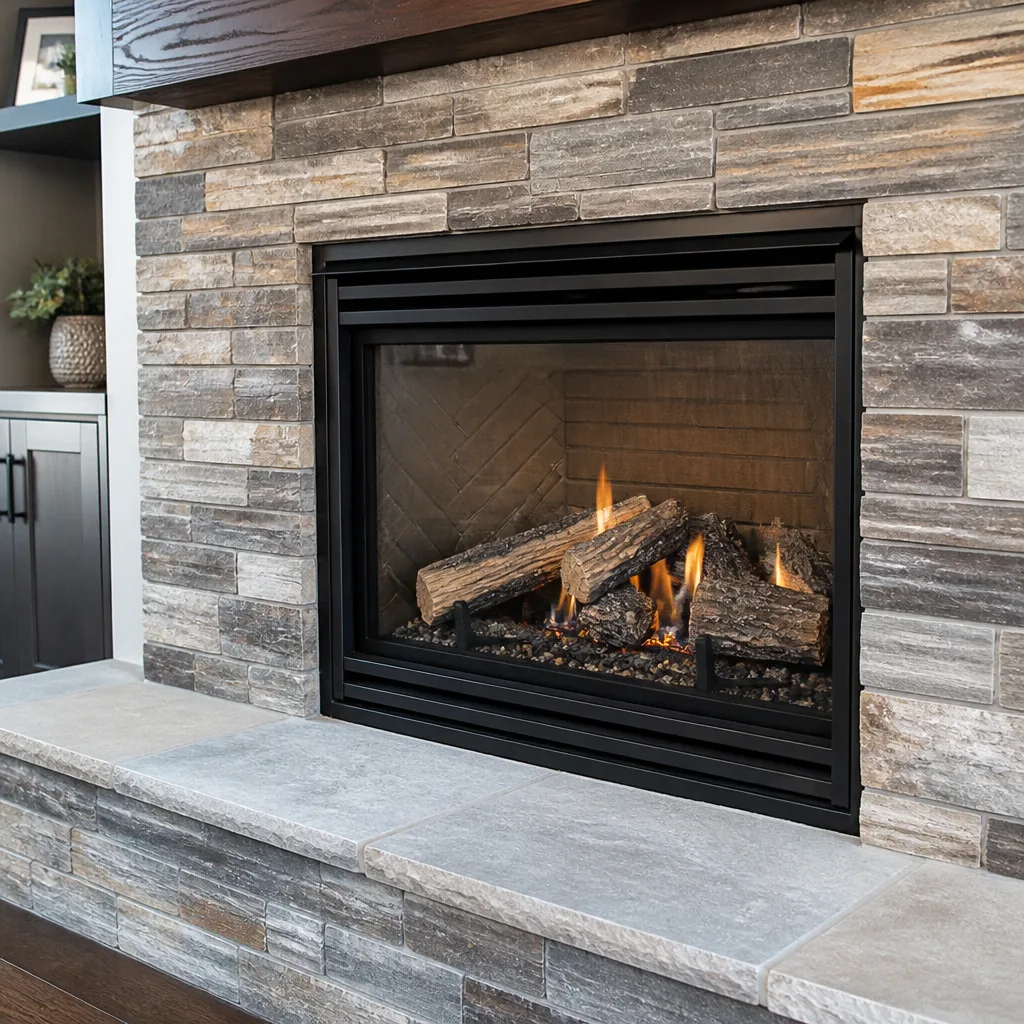 Gas fireplace service
Level 1 sweep and inspection to the NFPA 211 annual standard - flue, crown, cap, and flashing checked and photographed
Chimney sweep logs do not sweep chimneys. They loosen some creosote - which then falls where a brush and vacuum still have to collect it.
Chimney Sweep Maintenance Checklist for Edmonds Homeowners
A typical chimney maintenance checklist has about a dozen items on it. Four of them, including the ones most likely to contribute to a house fire, are completely invisible without pulling the damper or running a camera up the flue. That’s the part most checklists skip. They hand you a generic seasonal to-do list and leave you guessing which line items you can actually judge yourself and which ones need a trained eye and calibrated equipment. This guide draws that line precisely. You’ll learn what to check from the firebox and the roofline without special tools, what “checking the damper” really means, how to log your maintenance history so it holds up for insurance and inspection records, and the three findings that always send a chimney into a full Level II inspection. Edmonds weather makes several of these items more urgent than a national checklist would suggest, so we’ve weighted them accordingly.
Quick Answer
A chimney maintenance checklist for an Edmonds homeowner should cover four tiers: visual checks you can do yourself from the firebox and roofline, annual sweeping to clear creosote and blockages, a professional Level I or Level II inspection depending on what the sweep uncovers, and weatherproofing of the cap, crown, and flashing. You can reliably handle the visual tier. The flue interior, damper mechanism, and mortar integrity need either a camera or a trained eye. Get the chimney swept and inspected once a year, and log every visit in a dated record you keep with your home files.
Styles & brands we work with
- Sweep & inspection
- Caps & crowns
- Flue relining
- Masonry repair
- Gas fireplace service
Table of Contents
- Tier One: What You Can Check Yourself
- What “Checking the Damper” Actually Means
- Reading Mortar Joints From the Ground
- Roofline Checks: Cap, Crown, and Flashing
- The Three Items That Trigger a Level II Inspection
- Keeping a Maintenance Log That Holds Up
- The Annual Calendar for an Edmonds Chimney
- Common Mistakes to Avoid
Tier One: What You Can Check Yourself
Some of the checklist belongs to you, and it’s worth knowing which part. These are checks that need no ladders, no tools beyond a flashlight, and no guesswork. Do them before you call anyone, because what you observe helps the technician diagnose faster.
Start inside the firebox. Open the damper, shine a light up, and look for anything blocking the flue: a bird nest, leaves, a collapsed chunk of mortar, soot buildup that looks thick and fluffy rather than light and dusty. If you see an obstruction you can’t reach safely, stop there and book a sweep.
Look at the firebox walls and the smoke chamber above the damper. Hairline cracks in the firebrick are common and not automatically a problem. Cracks wide enough to catch a fingernail, or missing mortar between firebrick, are worth flagging.
Check the firebox floor for crumbling or loose brick. Check the damper door for rust or a worn gasket. Note any staining on the chimney breast or ceiling near the flue, which points to a water or draft problem.
From outside, at ground level, you can assess several things without climbing:
- Whether the cap is present, attached, and intact
- Whether the crown at the top of the chimney is visibly cracked or spalling
- Whether mortar joints between the bricks show white powder, missing material, or dark staining
- Whether the flashing where the chimney meets the roof looks lifted, rusted, or separated
- Whether there’s a visible lean or settlement in the chimney stack
That’s your tier one. Everything below the roofline and inside the flue is where your responsibility ends and a specialist’s begins. In Edmonds, where the wet season runs long and the drying window is short, the exterior items on this list deteriorate faster than a national checklist assumes. What looks like cosmetic staining in August may be active spalling by February.
What “Checking the Damper” Actually Means
Most checklists say “check the damper” and leave it at that. A simple open-and-close test tells you almost nothing. The damper is a mechanical assembly, and it fails in specific ways that a quick open-close motion won’t catch.
The damper sits at the base of the flue, above the firebox. It’s a metal plate on a hinge, operated by a handle or a pull chain, and it’s supposed to seal tightly when closed to stop heated room air from escaping up the chimney when the fireplace isn’t in use. Here’s what a real damper check involves:
- Full travel. Open the damper fully, then close it fully, and confirm it moves through the entire range without binding. A damper that moves partway and stops is sticking, usually from creosote or rust on the hinge.
- Seal test. With the damper closed, shine a light from below and look for gaps around the plate edge. A properly seated damper shows a thin, even line of contact, not a visible gap.
- Hinge integrity. Look at the hinge pin and the frame. Rust, corrosion, or a pin that’s working loose means the plate can drop out of alignment and stop sealing.
- Linkage. If your damper operates by a chain or rod, work it slowly and confirm it engages the plate without slack or slipping.
- Rusted-shut condition. In a fireplace that’s been unused for a long stretch, the damper can rust shut and appear “closed” when it’s actually seized. Try it before you light a fire, never with one burning.
Why it matters beyond efficiency: a damper that won’t close lets conditioned air escape all winter, and a damper that won’t open traps smoke and carbon monoxide in the room. Neither failure shows up on an open-and-close test if the plate moves at all. This is one of the checklist items a trained technician confirms with the flue open, before the sweep, so any sticking or misalignment gets addressed without disturbing the cleaning.
Reading Mortar Joints From the Ground
Mortar is the weak link in any brick chimney, and Edmonds’ climate works on it from both directions. Rain soaks into the joints from outside, then the wet-dry cycle pulls them apart. Freezing nights push water that’s already inside the mortar outward. Over time the joint crumbles, bricks loosen, and moisture finds its way into the flue structure.
You can spot the early signs from the ground. Look up at the chimney’s exterior and check for these:
- White, chalky powder on the brick or in the joints. This is efflorescence, mineral deposits left behind as moisture moves through the masonry and evaporates.
- Recessed joints. Healthy mortar sits slightly proud of the brick face or flush with it. Joints that look carved back, like the mortar has shrunk inward, are eroding.
- Crumbling or sandy texture. If the joint looks grainy or you’d expect it to rub away, it’s already lost its binding strength.
- Dark or green staining. Dark staining low on the chimney can mean water is tracking down and pooling. Green staining points to algae or moss, which only grows where moisture sits.
- Spalling brick faces. When a brick face flakes or pops off, water inside the brick is expanding and pushing outward. Spalling is a step past joint deterioration, not a starting point.
- Loose or displaced bricks. Any brick that’s shifted out of line needs attention quickly, because a loose brick high on a stack is a safety matter.
In our experience, the Edmonds wet season exposes joint problems that a drier climate might not show for years. The mortar that looked fine through a dry August often reads differently by the end of a wet winter. A trained eye distinguishes surface staining from active erosion, and the difference decides whether you’re looking at a repointing job or a bigger structural question. Either way, don’t seal over deteriorated mortar with a paint or coating. That traps moisture behind a barrier and makes the problem worse.
Roofline Checks: Cap, Crown, and Flashing
The top of the chimney takes the most weather and gets the least attention. Two components there, the cap and the crown, are where most water intrusion starts, and the flashing at the roofline is a close third.
The crown is the concrete or masonry slab at the very top, sloping away from the flue opening. Its job is to shed water off the chimney and away from the flue. When it cracks, water runs down the outside of the flue liner and into the chimney structure. From the ground, look for a visible crack line, a crown that’s separated from the brick below, or a crown that’s crumbled at the edge.
The cap is the metal or mesh cover over the flue opening. It keeps rain, animals, and debris out. A missing or damaged cap lets water straight down the flue and gives birds and squirrels an open door. From the ground, confirm the cap is still attached and its mesh is intact. If you can see daylight through a torn mesh, animals can get in.
Flashing is the metal where the chimney meets the roof surface. It’s the seam most likely to leak, and a leak there doesn’t always show up as a ceiling stain right away. Look for flashing that’s lifted at the edge, rusted through, or separated from the chimney with a visible gap.
Professional-grade materials matter at this roofline. We work with trade-spec brands including Gelco and Famco for the flashing, venting, and weatherproofing details that keep water out, and with Olympia Chimney for components that hold up to the freeze-thaw cycle. These are the parts a homeowner rarely sees, but they’re where water gets in and where a proper repair keeps it out. A generic hardware-store cap or a flashing patch that isn’t built for the local weather will fail early, and then you’re back at the same problem.
The Three Items That Trigger a Level II Inspection
Chimney inspections come in levels, and which one you get depends on what’s found. A Level I inspection is the visual check of readily accessible portions, part of a routine annual sweep. A Level II inspection adds a camera run through the flue and inspection of accessible areas in attics and crawl spaces. It’s required when a chimney changes hands, changes fuel type, or when an anomaly turns up during the sweep. Knowing the triggers matters, because these are the checklist items that go from “note it” to “inspect it.”
Any one of these three findings means you’re looking at a Level II, not a level one:
- Any evidence of a flue liner problem. Cracks, gaps, a liner that’s separated from the flue wall, or a flue with no liner at all. The liner is the fire-safety boundary between the heat of the fire and the combustible framing of your house. You can’t confirm its condition from the firebox, so a suspected issue always calls for a camera.
- Any sign of a chimney fire or excessive heat. Warped metal components, cracked flue tiles, or a puffy, honeycombed creosote deposit. These are the aftereffects of a chimney fire you may not have noticed, and the flue needs to be inspected before it’s used again.
- Any structural anomaly. A cracked crown that’s let water in, spalling brick, a chimney that’s shifted, or a flashing leak that’s had time to damage the surrounding framing. Structural problems can leave the flue itself compromised even if the firebox looks fine.
A blocked flue, a damaged damper, or significant creosote buildup found during a sweep can also push the visit up a level. The point isn’t to inflate the inspection. It’s that these specific findings can’t be confirmed from the outside, and a level one visual check on a chimney with a suspected liner issue would be a false reassurance. From the first inspection finding through any repair, one crew handles the work start to finish, so you’re not handed off between a sweep company and a mason and left to coordinate the pieces yourself.
Keeping a Maintenance Log That Holds Up
A maintenance log is the most overlooked item on any chimney checklist, and it costs nothing to keep. The reason to keep one is practical. Insurance documentation from a chimney inspection can factor into a claim, and a record of regular service demonstrates the chimney was maintained. Inspection reports also document the condition at a point in time, which matters if you ever sell the house or face a question about prior damage.
Your log doesn’t need to be elaborate. A folder or a shared document with entries in this format works well:
- Date of each sweep, inspection, or repair
- Service performed (sweep, Level I or Level II inspection, repair of a specific component)
- Technician or company name, with a copy of the report attached
- Findings in plain language, including anything noted but not repaired
- Recommendations and the date they were made
- Photos, if the inspection included them
The format matters less than the consistency. A dated report per visit, kept together, tells a clear story over time. It also helps the next technician, who can see what’s already been done and won’t repeat work or miss a known issue. In our experience, homeowners who keep even a basic log avoid the situation where an inspector flags a problem that a prior visit had already recorded as normal, or the reverse. Each visit builds a record, and the record protects you.
The Annual Calendar for an Edmonds Chimney
Timing the checklist to the local season is the practical difference between a swept chimney and a chimney that fails the first cold week you need it. Here’s how the year reads for a wood-burning fireplace in Edmonds:
- Before burning season. The sweep and inspection belong here, when the chimney is idle and any repairs have time to be completed before you light the season’s first fire. Check the damper, confirm the cap, and clear out any animal nests or blockages.
- Early wet season. Check the crown, cap, and flashing as the rains return. This is when water intrusion starts, and catching a lifted flashing edge or a new crown crack early prevents the more expensive interior damage that follows.
- Mid-winter. If you burn consistently, watch creosote buildup in the flue. A sweep is warranted when the deposit in the flue reaches the point a sweep is needed, and the only reliable way to judge that is with a look up the flue. Shine a light and see if the deposit is thickening; a trained technician makes the call.
- Spring, after the last fire. Clear the firebox, close the damper, and check for any deterioration that winter exposed in the mortar and crown. Following a long wet season is the right time to resurface or repair before things dry out and cracks open further.
- Anytime. If you’ve moved into a home with an unserviced chimney, or changed fuel type, book the visit and get the checklist reset to a known condition.
Gas fireplaces have a shorter list but still need it. Venting, the damper, and the cap all matter, and a gas appliance with a compromised vent is a carbon monoxide concern, not just a smoke one.
Common Mistakes to Avoid
- Skipping the sweep because “we hardly burned.” Even a few fires deposit creosote, and a slow flue with cooler smoke deposits more of it. The fire-safety risk comes from what’s in the flue, not the volume of fires, so a sweep still earns its place on the checklist.
- Treating an open-and-close damper test as a real check. A plate that moves partway and sticks still passes the quick test. If the seal and hinge aren’t checked, you won’t know the damper is leaking heat or trapping smoke.
- Sealing over weathered mortar with paint or waterproofing coating. This traps moisture inside the brick and accelerates spalling. Deteriorated joints need repointing with mortar that lets the wall breathe.
- Using a generic off-the-shelf cap or a flashing patch on an Edmonds roofline. These parts take the full brunt of the local wet season. A purpose-built cap and properly installed flashing last, and a cheap patch just postpones the same leak.
- Assuming no smell means no problem. The four invisible items on the checklist, the flue interior, damper seal, mortar integrity, and crown condition under the surface, don’t announce themselves. An odor-free chimney isn’t necessarily a safe one.
- Keeping no record of visits. Without a dated report per visit, you can’t demonstrate the maintenance history that insurance documentation or a future inspection may call for, and the next technician starts from a blank slate.
- Calling a general handyman for a flue or liner question. A flue liner assessment needs a camera and a specialist. A crew that only cleans the chimney won’t see what’s happening inside the flue.
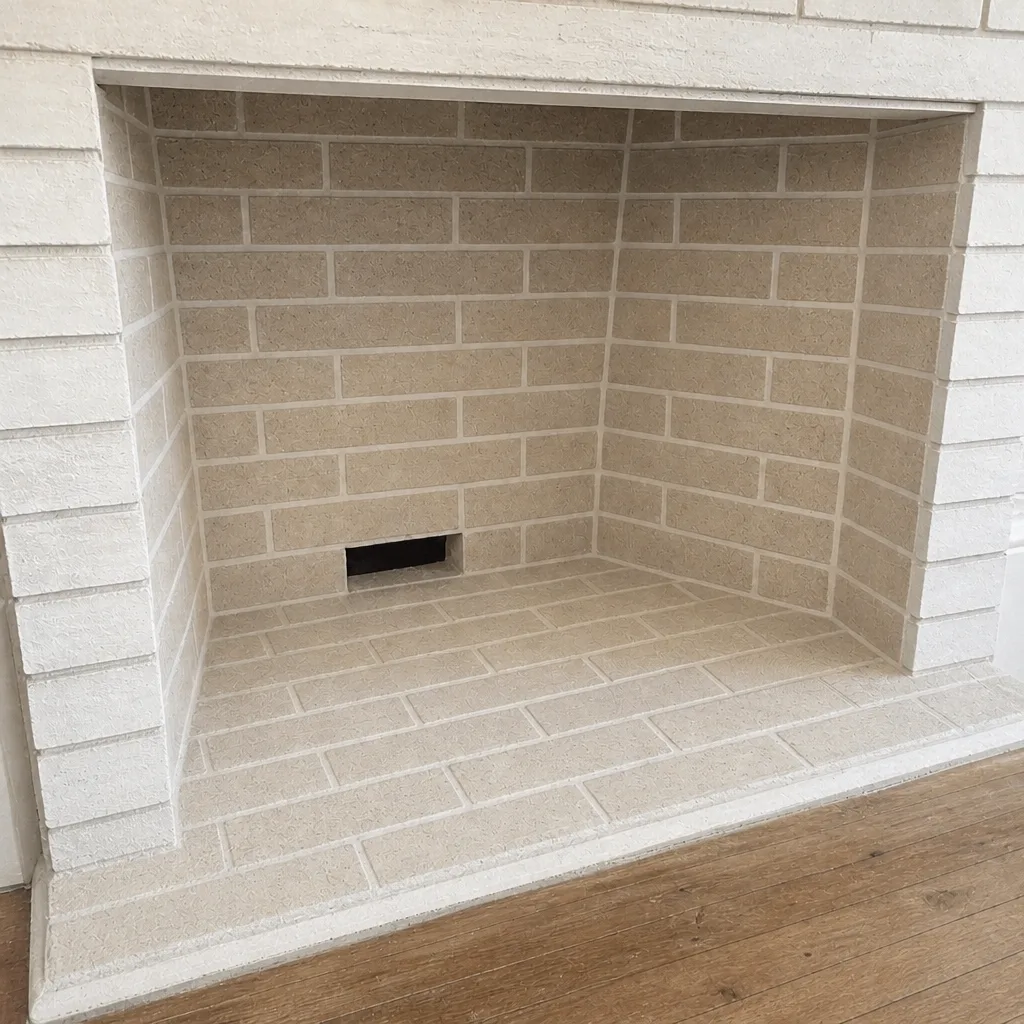
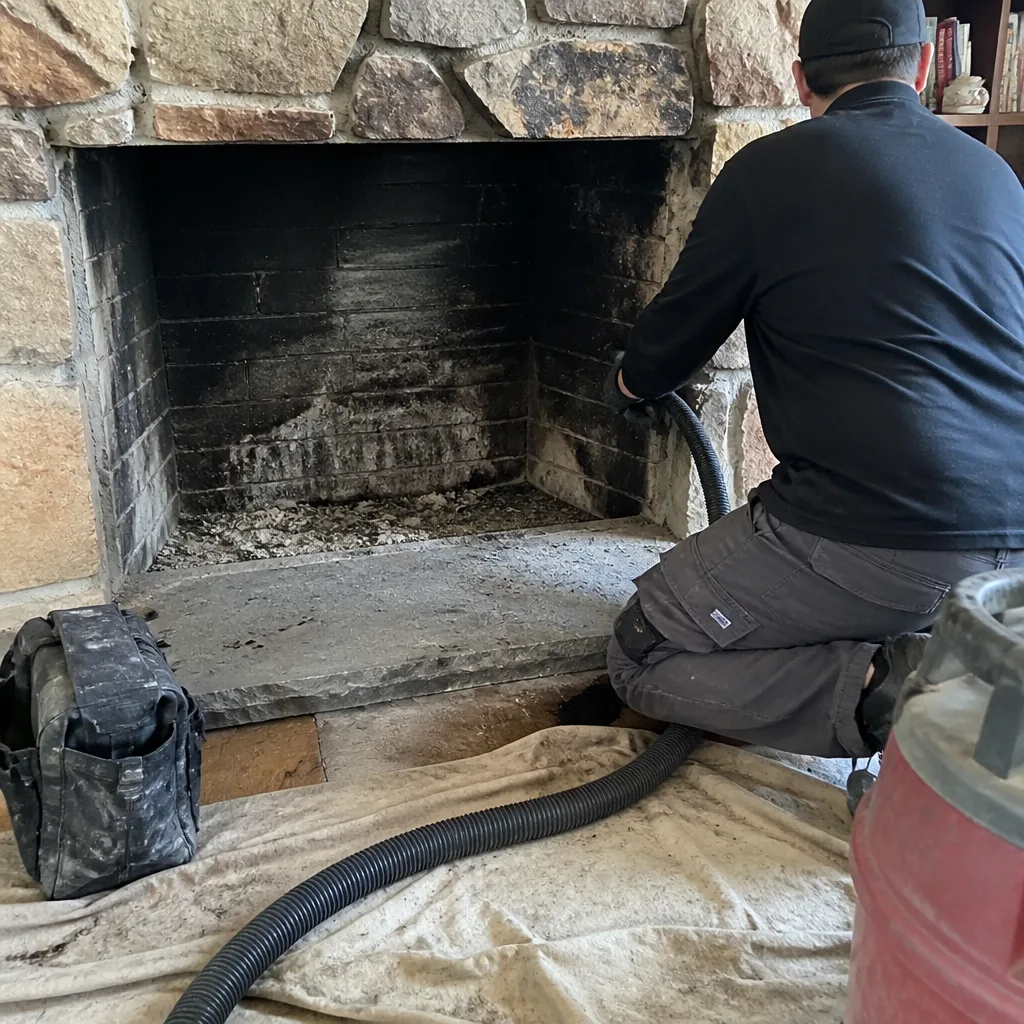
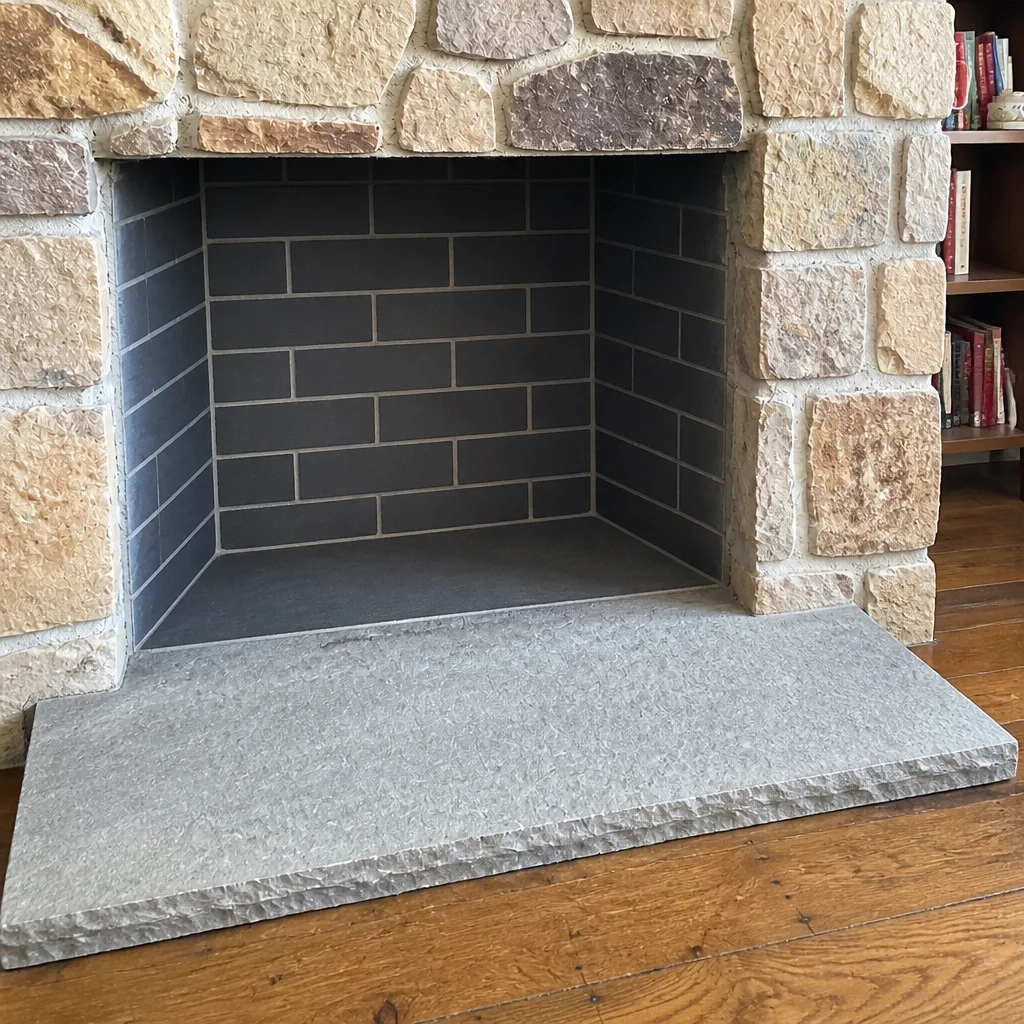
See the difference
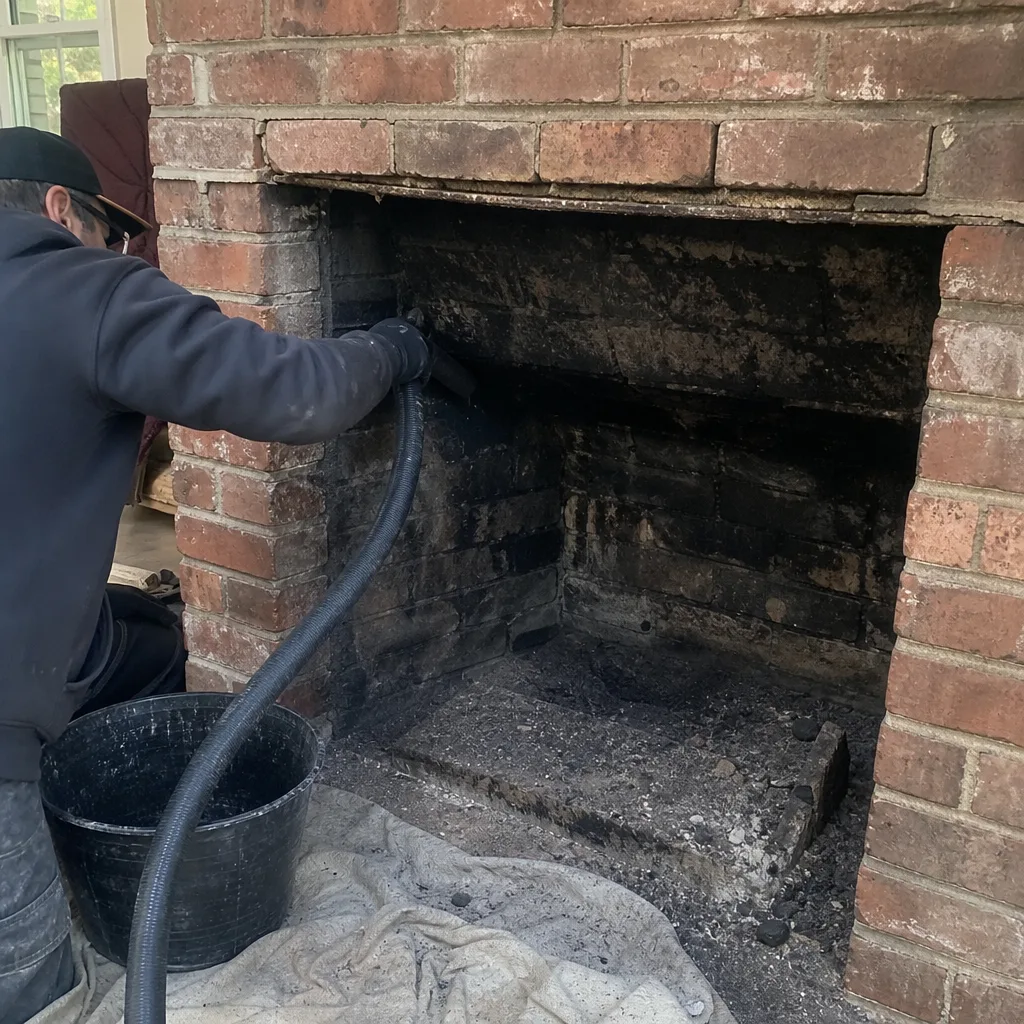 Before
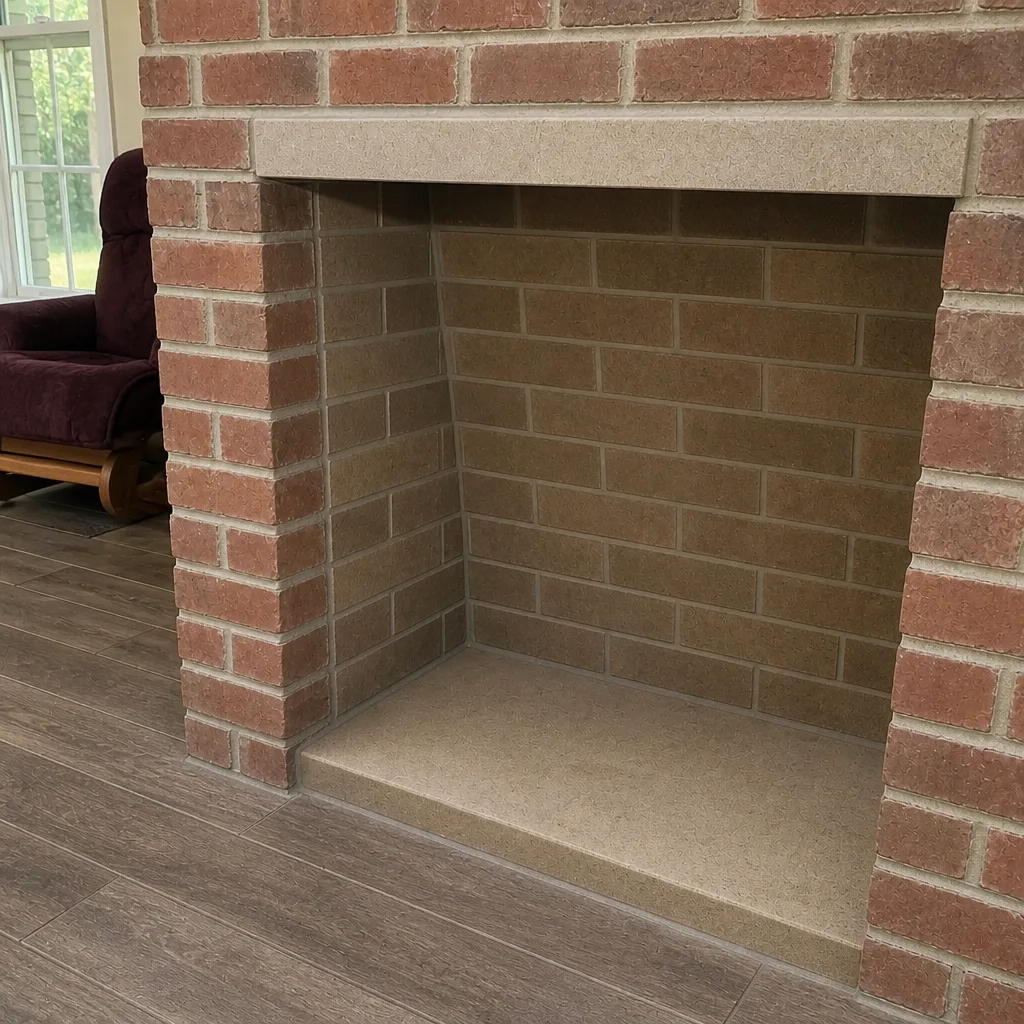 After
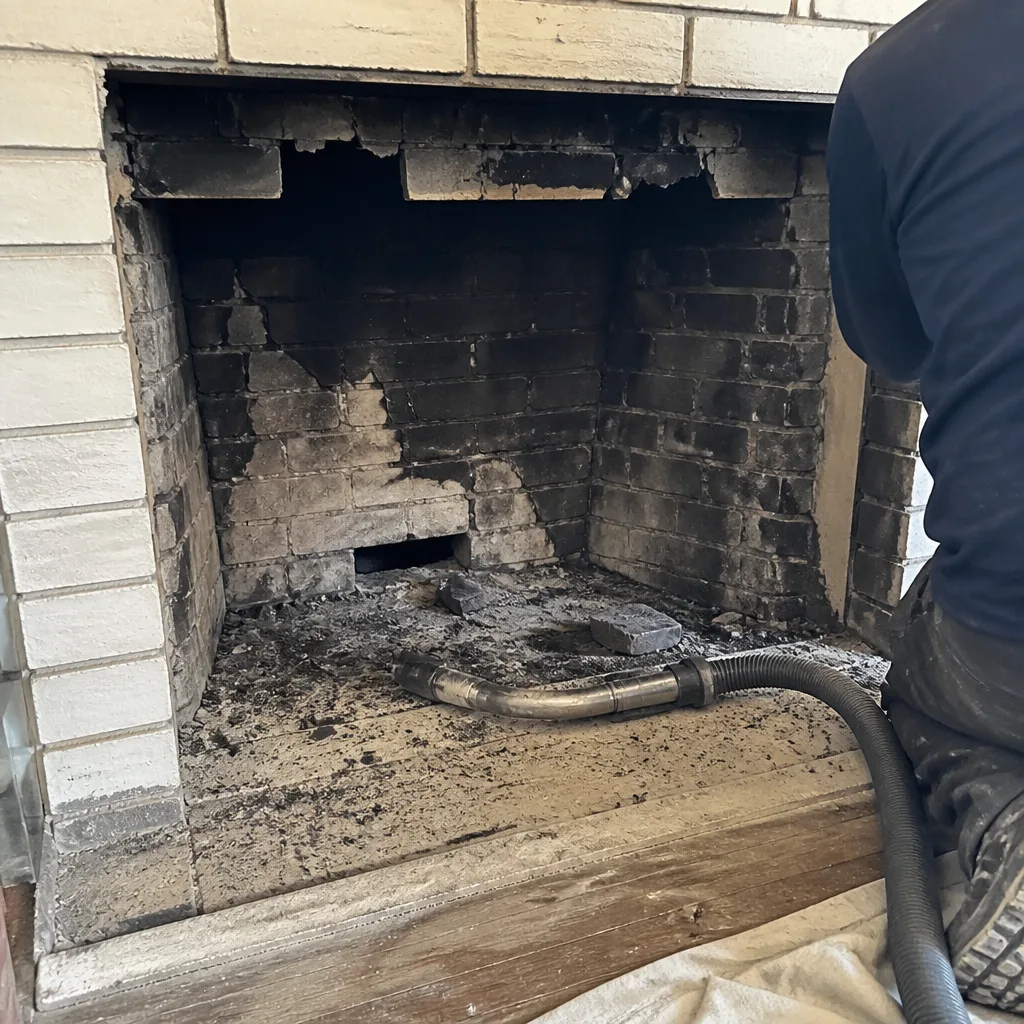 Before
 After
 Before
 After
When to Call a Professional
Your tier one checks have limits, and this is where they end. Call a specialist when you spot an obstruction you can’t safely reach, when the damper sticks or shows a visible gap when closed, when you see active spalling or loose brick on the chimney exterior, or when flashing has separated from the roof. Call if you’ve never had the chimney serviced, or if you don’t know its condition, and call if a prior contractor recommended repair work you can’t verify. Our team inspects before we recommend, and nothing gets suggested without a camera inspection and a photo report you can see for yourself. If work can safely wait, we’ll tell you that too. Chimney Sweep Edmonds offers free estimates in Edmonds and surrounding neighborhoods – call (855) 726-7158. We answer 24/7, and fast dispatch runs 7am to 7pm, Sunday through Friday. Our technicians have up to 14 years of experience, and the local pro who visits is licensed and insured as the state requires.
Frequently Asked Questions
Once a year for a wood-burning fireplace, or sooner if you burn heavily or notice significant creosote buildup. The right test is the condition of the flue, not the calendar alone, so a look inside during the annual visit decides whether a sweep is needed. Call (855) 726-7158 for an exact quote – estimates are free.
You can check the cap, crown, flashing, and the visible firebox yourself from the ground and from inside. The flue interior, the damper’s actual seal, the mortar’s internal condition, and the liner all need a trained eye and inspection equipment. Call us to book the parts you can’t see.
If it sticks partway through its travel, shows a visible gap when closed, or the hinge is rusted or loose, it needs attention. A plate that moves but doesn’t seal is failing even though it still opens. Book a visit and we’ll confirm the seal with the flue open.
Yes. The crown sheds water away from the flue, and a crack lets water run down the inside of the chimney and into the structure. It’s one of the two most common points of water intrusion at the top of a chimney. Call (855) 726-7158 if you can see a crack or separation.
Yes. Keep each dated report, findings, and recommendations together in one place. The record shows the maintenance history, helps your next technician avoid repeating work, and supports insurance documentation if you ever need it. Estimates are free – call to start the record.
A suspected flue liner problem, any sign of a prior chimney fire, or a structural anomaly such as a cracked crown, spalling brick, or a significant flashing leak. Each one can mean the flue is compromised in a way a visual check can’t confirm. Call (855) 726-7158 and we’ll inspect before we recommend.
The Bottom Line
The whole point of a checklist is knowing which items you can truly judge yourself and which ones need a specialist. You can assess the cap, crown, flashing, and firebox from the ground and from inside. The flue interior, damper seal, mortar integrity, and liner all sit behind walls you can’t see, and they’re the items most often linked to fire safety and water damage. In Edmonds, the wet season makes the exterior tiers deteriorate faster than a generic list suggests, so timing the checks to the local calendar matters. Sweep and inspect before burning season, keep a dated log, and book the four invisible items with a specialist. Then the checklist is doing its job. Call (855) 726-7158 for a free estimate. We answer 24/7. Fast dispatch from 7am to 7pm, Sunday through Friday.
Book the sweep with our chimney sweep service, or start with Chimney Sweep Edmonds for the full overview. If the visit turns up a fireplace problem, we handle fireplace repair, and if the flue or crown needs work, our chimney repair team takes it from there.
Written by the team at Chimney Sweep Edmonds.