
Last updated November 25, 2026
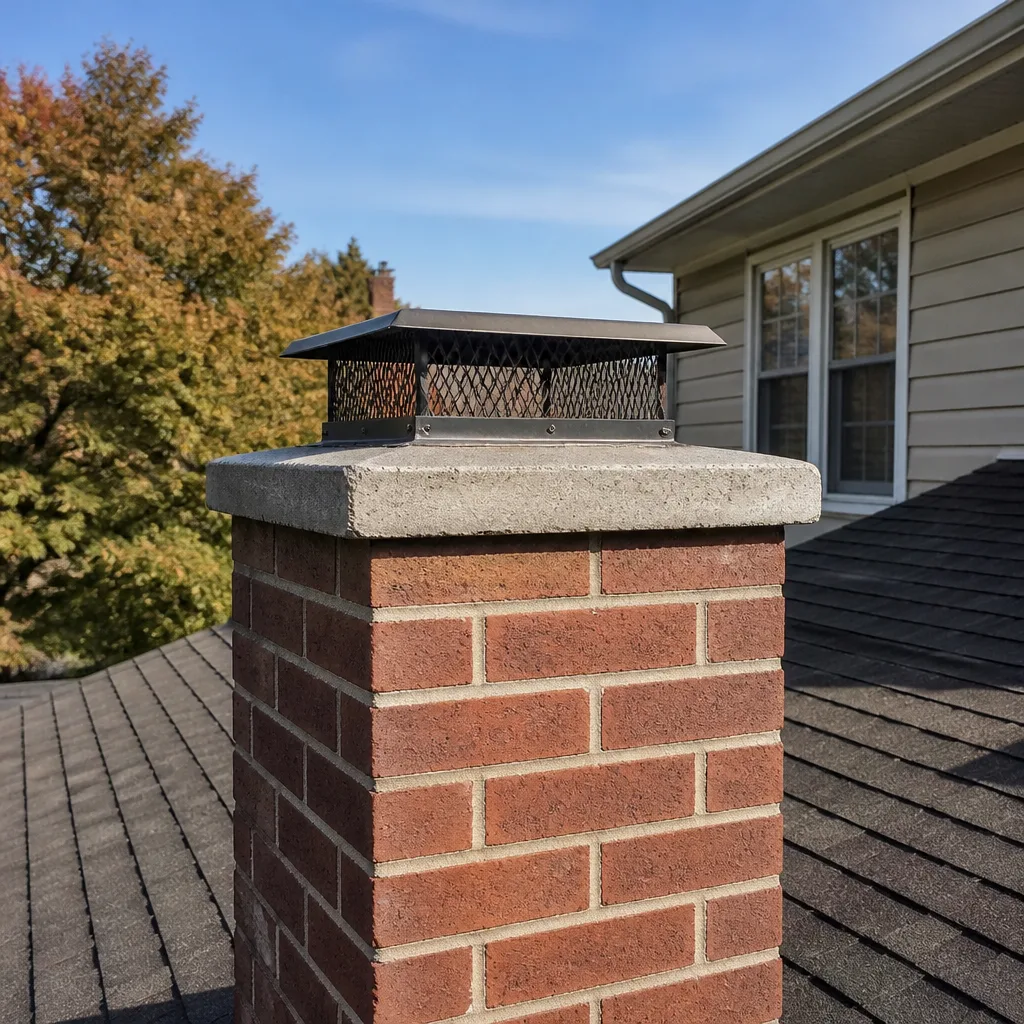 Sweep & inspection
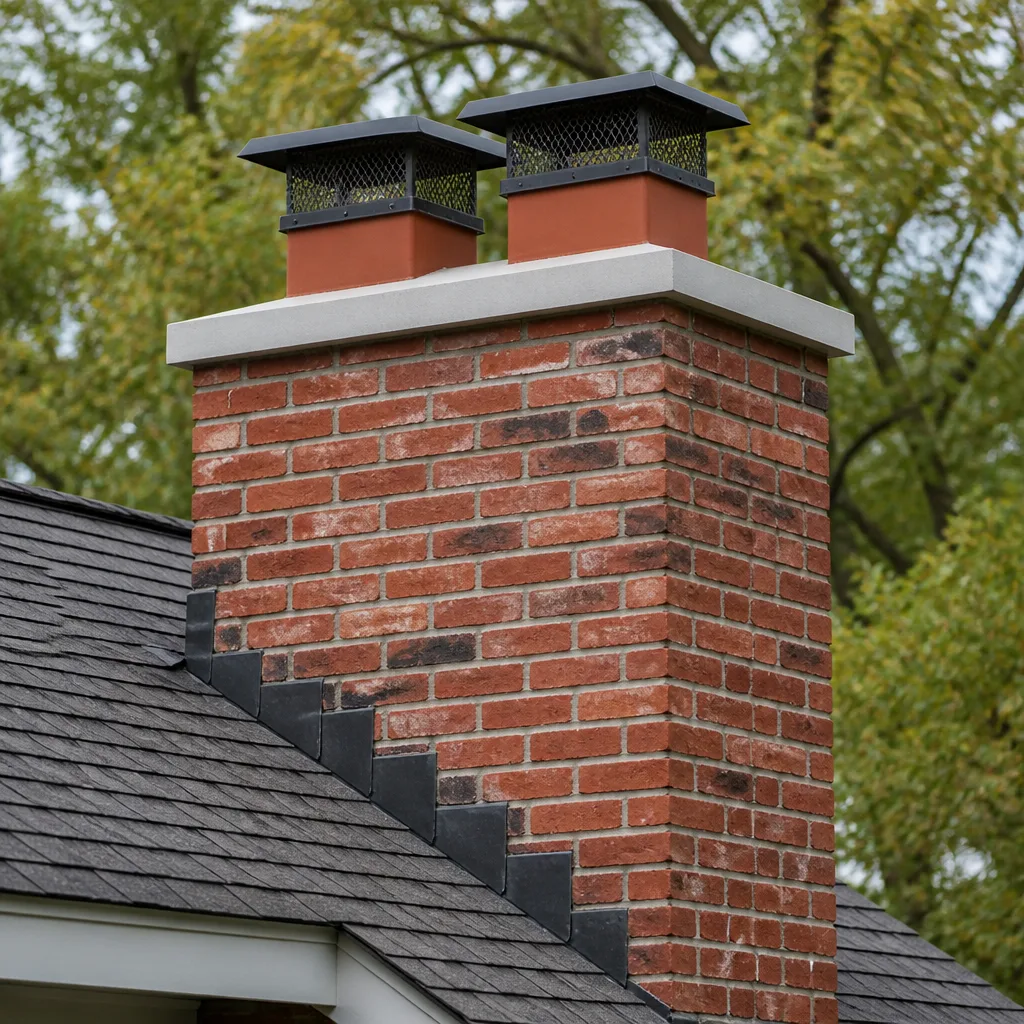 Caps & crowns
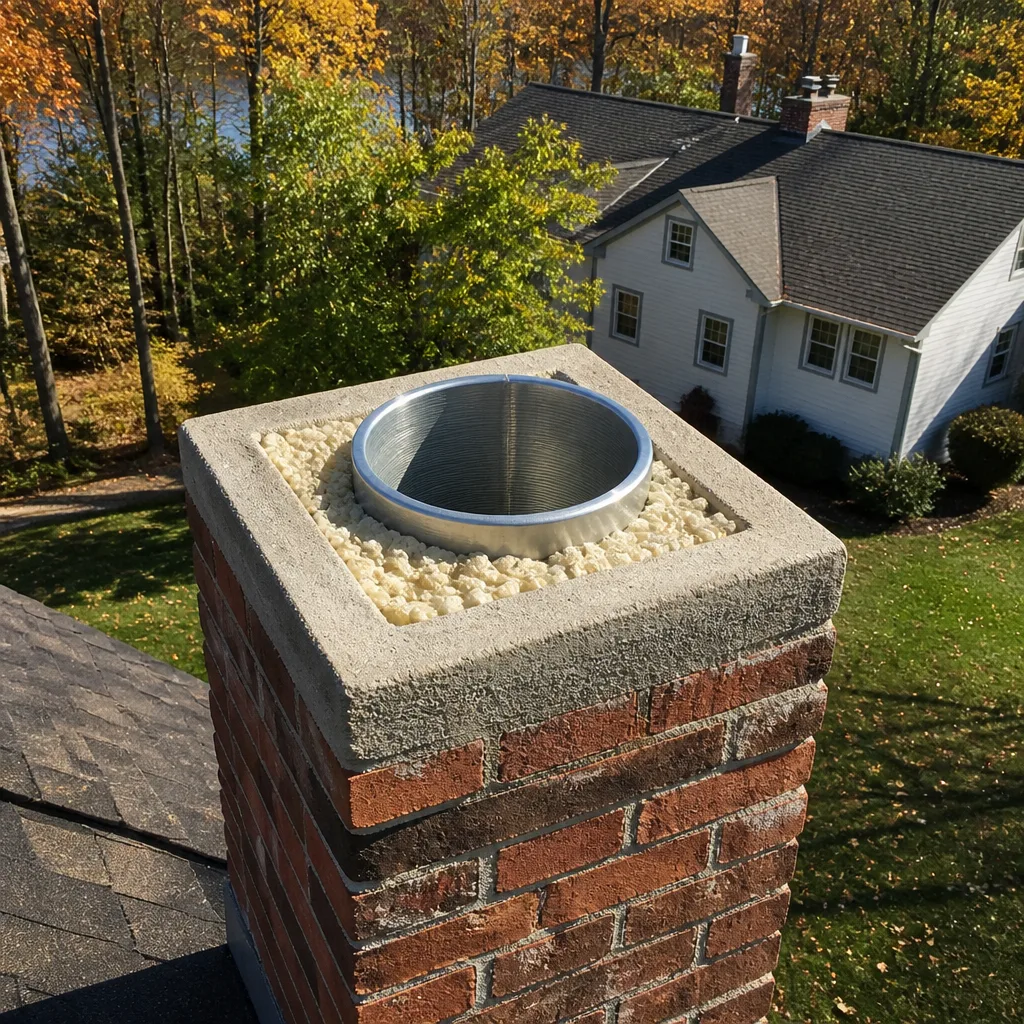 Flue relining
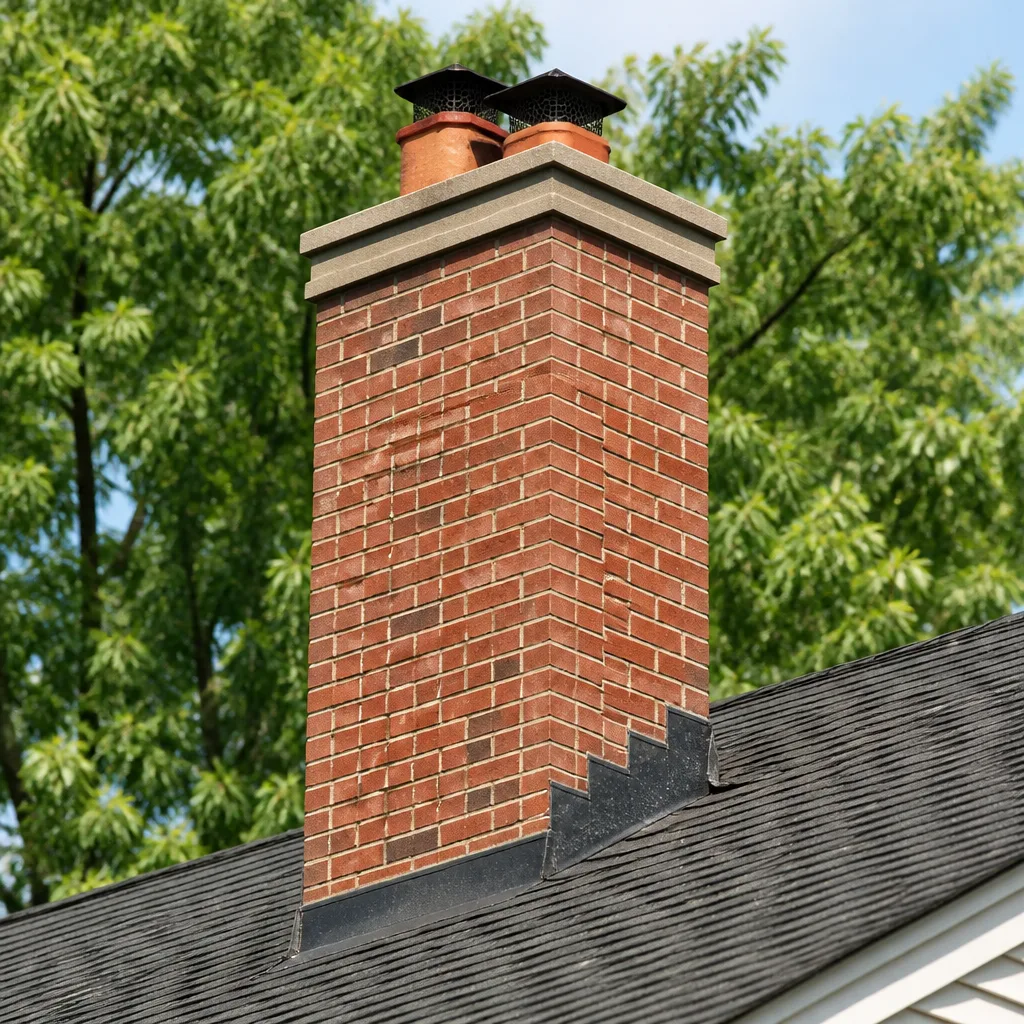 Masonry repair
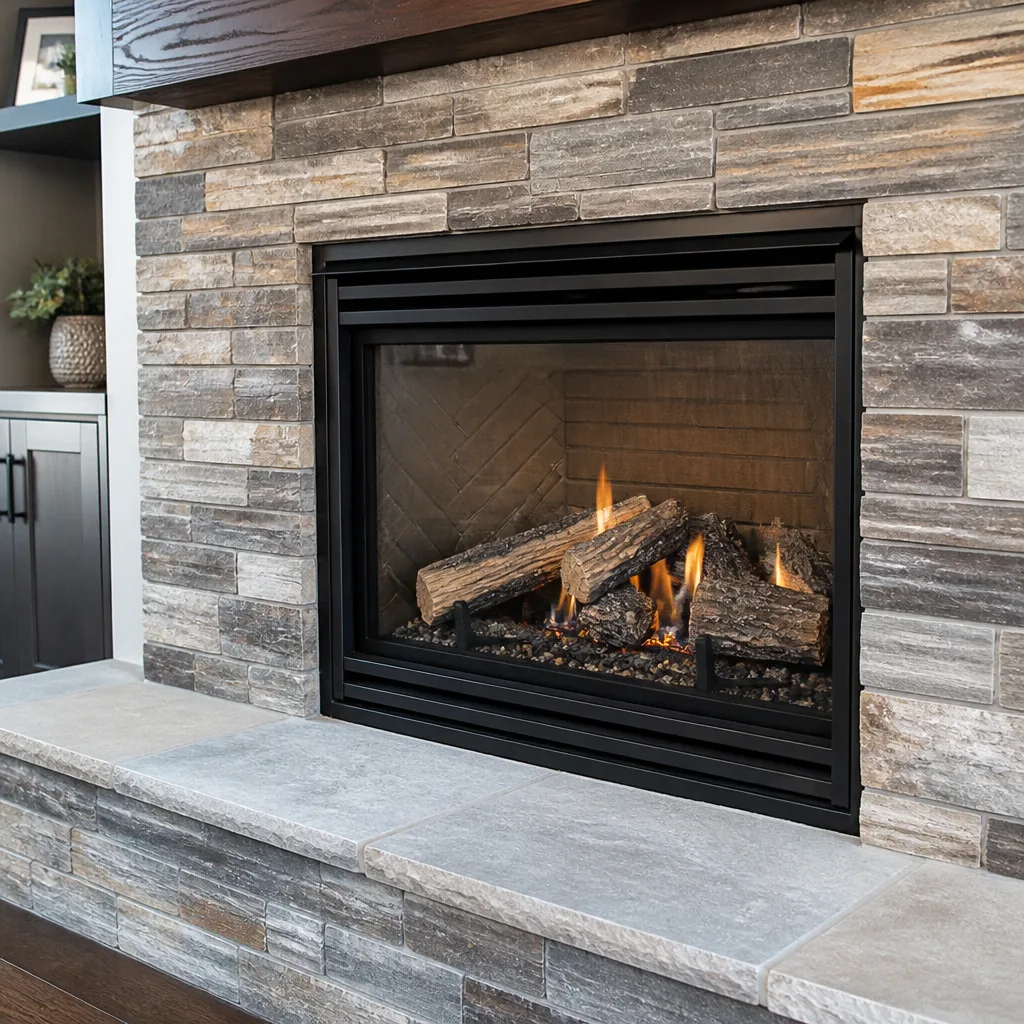 Gas fireplace service
Level 1 sweep and inspection to the NFPA 211 annual standard - flue, crown, cap, and flashing checked and photographed
Chimney sweep logs do not sweep chimneys. They loosen some creosote - which then falls where a brush and vacuum still have to collect it.
DIY vs Professional Chimney Cleaning: The Edmonds Homeowner’s Decision Guide
Here’s the part most cleaning guides get wrong: the scrubbing was never the hard part. A homeowner with a decent brush set can knock loose, flaky creosote off a straight flue and call it a job well done. But a cleaned flue looks identical whether the liner behind it is sound or cracked down its length, and only one of those chimneys is safe to build a fire in. This guide walks through what DIY chimney cleaning can actually accomplish in an Edmonds home, where it stops being reliable, what equipment a real match would require, and how to tell when the sweep is the smaller half of the work.
Styles & brands we work with
- Sweep & inspection
- Caps & crowns
- Flue relining
- Masonry repair
- Gas fireplace service
Quick Answer
DIY chimney cleaning is realistic for a straight, accessible flue with light creosote and a liner you already know is sound. For Edmonds homes with offset flues, aged or clay-tile liners, or any uncertainty about liner integrity, professional cleaning is the safer and more accurate choice, because a sweep is also a diagnostic event. The cleaning is the visible task; the assessment is the reason it gets booked.
Table of Contents
- The Diagnostic Gap: What Cleaning Actually Reveals
- When DIY Chimney Cleaning Is Genuinely Feasible
- Where DIY Cleaning Stops Being Reliable
- The Equipment Reality: Honest Cost Comparison
- Edmonds-Specific Risk Factors for DIY
- The Three Degrees of Creosote and Why They Matter
- The Middle Path: What You Can Do Between Visits
- Common Mistakes to Avoid
- When to Call a Professional
- Frequently Asked Questions
- The Bottom Line
The Diagnostic Gap: What Cleaning Actually Reveals
A chimney sweep is a cleaning appointment and an inspection appointment happening in the same visit. That’s the piece most homeowners miss when they weigh DIY against professional. The brush work is a means to an end. The real output is what the sweep can see once the flue is clear.
A trained sweep reads a chimney the way a mechanic reads an engine. During a routine cleaning in Edmonds, the following get checked as a matter of course:
- Liner condition. Cracks, gaps, spalling, and missing mortar joints in clay tile liners get flagged directly. A camera run confirms what the eye can’t reach.
- Draft geometry. The relationship between firebox size, smoke chamber shape, and flue height determines whether smoke goes up or into the room. Blockages, offset angles, and undersized flues show up here.
- Creosote grade. First-degree creosote is flaky and brushable. Second-degree is tar-like and clings. Third-degree is glazed and requires chemical treatment or mechanical rotary cleaning. Only a trained eye grades it correctly.
- Moisture intrusion. Water staining, rusted damper hardware, and efflorescence on the smoke chamber point to a cap or crown problem at the top and a flashing problem at the roofline.
- Structural issues. Cracked chimney crowns, failed mortar in the exterior stack, and masonry spalling around the flue collar all get noted before they become expensive.
None of those checks require a brush. All of them require training, tools, and the experience to know what’s normal. When a homeowner cleans the flue themselves, they remove the evidence a sweep would read. The chimney is clean and the report is blank.
This is where the difference between a straight cleaning and a whole-chimney assessment shows up. Our Chimney Sweep Edmonds service is built around inspection-first thinking: the sweep informs the diagnosis, and the diagnosis informs whether the chimney should be lit at all. A homeowner can absolutely make a flue clean. What’s hard to replicate at home is knowing what to do with the information underneath.
In our experience across Edmonds homes, the sweep itself is almost never the expensive part. The expensive part is a liner that was already failing before the fire was lit, and nobody looked.
When DIY Chimney Cleaning Is Genuinely Feasible
There is a narrow but real set of conditions where DIY cleaning makes sense. It isn’t zero, and pretending otherwise insults the homeowner who genuinely wants to handle the annual maintenance. The conditions are specific:
- The flue is dead straight and vertical. A straight flue can be brushed from the top with a weighted brush on flexible rods, or from the firebox with a brush and a shop vacuum rated for fine ash. No offset angles, no elbows, no transitions between flue sizes.
- The liner is known good. Not assumed, known. That means a professional inspection confirmed the liner within the last couple of years, or the liner is recent and documentation exists.
- The creosote is first-degree. Light, sooty deposits that brush off easily. Anything glazed or tar-like is out of DIY territory.
- The firewood has been adequately seasoned. Wood burned below 20% moisture produces less creosote to begin with, which keeps the maintenance lighter.
- The roof access is genuinely safe. A low-pitch roof, a stable ladder setup, and dry weather. More on this in the Edmonds section below, because it matters.
- The cleaning is paired with a real inspection at least annually. The homeowner who cleans their own chimney and never has it inspected has traded one problem for a bigger one.
If all six conditions hold, a careful homeowner can absolutely extend the interval between professional visits in their Edmonds home. If any of them fails, the calculation changes. One of them fails for most homes.
Where DIY Cleaning Stops Being Reliable
Three flue configurations pull DIY cleaning out of the “careful homeowner” column and into the “you’re not getting the flue clean and you don’t know it” column. They’re common in Edmonds housing, which makes this section less theoretical than it might sound.
- Offset flues and angled runs. Many chimneys have a bend, an offset, or a transition between flue sizes as they pass through the house. A brush on flexible rods can’t take a sharp angle reliably. It’ll pass a straight flue, jam on an offset, and come back to the homeowner looking used. The sweep believes the flue is clean. The bend still holds its creosote.
- Metal liners with corrugated interiors. A properly installed flexible liner – DuraFlex and similar trade-spec systems – has a smooth interior designed to be brushable. Off-brand liners with heavy corrugation trap soot in the ridges. A soft brush glides over it. A rotary brush at the wrong speed damages it.
- Clay tile liners in older Chimney Sweep Edmonds-area homes. Clay tile liners degrades with time. Cracked tile joints leak combustion gases into the chimney chase rather than up the flue, and the damage is invisible from the firebox and from the roof without a camera. Brushing a cracked clay liner can dislodge a spalled tile fragment. Nothing warns the homeowner that this happened.
The pattern here is that DIY cleaning fails by silence. The flue looks clean. The homeowner feels accomplished. The first real evidence of a problem is a smoke smell in the house in the middle of winter, or a puff of smoke coming back down instead of up.
Our chimney sweep visits are built around not missing that piece, because we’ve seen enough Edmonds chimneys where the previous owner had been faithfully cleaning for years and the liner behind the cleaning had quietly failed anyway.
The Equipment Reality: Honest Cost Comparison
Any sincere DIY-versus-professional comparison has to include the cost of doing the DIY version at professional quality, not the cost of doing it badly. Here is the actual list, along with what a professional brings to the same job.
- Brush set matched to flue diameter and material. Poly brush for metal liners, wire brush only for specific clay tile use, and a brush the wrong size fails to clean the walls it’s supposed to touch.
- Flexible rods long enough for the full flue height. Chimneys in Edmonds older housing stock often run taller than the average homeowner expects. Rods that don’t reach the top don’t clean the top, and the top is where the cool flue gases condense into creosote first.
- HEPA-rated shop vacuum with fine-ash filtration. A standard wet/dry vac exhausts fine soot back into the living space. There is no good version of a chimney cleaning that spreads fine soot through a house.
- Drop cloths, sealant, and dust control. The pros carry specialized sheet-and-seal setups that keep the firebox opening enclosed during the sweep.
- Rooftop safety gear. A roof ladder, a harness, and a firm anchor point. The ladder that lives in the garage is not a chimney-cleaning ladder.
- Camera and lighting. A chimney inspection camera runs a flue from top to bottom. This is the piece that DIY cleaning cannot replicate at any reasonable cost, and it’s the one that actually determines whether the chimney is safe to use.
Add up the brush set, rods, vacuum, harness, and camera, and a homeowner is buying several hundred to over a thousand dollars of equipment that will get used once a year at best. A professional clean and inspection costs a fraction of that, and returns information the equipment at home can’t produce.
Professional sweeps also work with trade-spec materials – the same ones the industry builds the products around – rather than the residential-grade substitutes that fail early. That matters less on the cleaning side and much more when the inspection turns up something that needs repair. When a flue needs a HeatShield resurfacing to correct a deteriorated liner without tearing the chimney down, that’s an option that shows up because the sweep was done by someone equipped to find the problem and do something about it.
For homeowners weighing the numbers, the honest framing is this: the DIY route wins on the cost of the cleaning itself. It loses on the cost of the assessment. And the assessment is the reason the cleaning exists.
Edmonds-Specific Risk Factors for DIY
Some of what makes Edmonds a beautiful place to live is also what makes DIY chimney cleaning genuinely risky here. These aren’t abstract trade warnings. They’re the specific conditions that show up when a homeowner climbs their own roof in Edmonds.
- Steep rooflines. Edmonds neighborhoods like the Bowl and the areas around Sunset Avenue include many homes with steep, complex roof pitches. A flat ladder setup against a steep roof is not a chimney-cleaning setup; it’s a fall waiting to happen. Roof ladders and ridge anchors exist specifically for this pitch, and homeowners rarely own either.
- Rain-slicked surfaces. Western Washington’s wet season is long. Roof surfaces, ladders, and composite shingles stay slick for stretches of the year in Edmonds. Even an experienced roofer is careful about wet roof days. A homeowner carrying rods and a brush up there is not.
- Older liner stock. A meaningful share of Edmonds housing stock dates to decades when clay tile liners were the default. Clay tile lasts, but it doesn’t last indefinitely when moisture gets in from a failed crown or cap. Cracks in clay tile can let combustion gases into the chase and, depending on the build, into the living space. The homeowner brushing the firebox would have no idea.
- Local weather driving cap and crown failure. Wind-driven rain, freeze-thaw at altitude, and moss growth on chimney exteriors are common Edmonds chimney problems. A cracked chimney crown at the top is an entry point for water that travels down the exterior of the flue. Caps and crowns are the two most common water intrusion points on any chimney, and they’re not visible from the ground.
- Damp firewood in a wet climate. Seasoning firewood in Edmonds takes longer than in dry climates. Wood that looks ready often isn’t. Burning green wood accelerates creosote buildup, which pushes the homeowner from first-degree into second-degree territory faster than expected.
None of those factors makes DIY impossible. All of them together make the DIY margin narrower in Edmonds than in a drier, flatter part of the country. Roof access is genuinely the most dangerous part of the job, and it’s also the part a homeowner can’t skip if they want a top-down sweep.
Safety is the reason to be careful, not a soft sell. We don’t recommend rooftop work for a homeowner on a wet roof in Edmonds. The flue will still be there when conditions are better and a trained sweep is on it.
The Three Degrees of Creosote and Why They Matter
Creosote is the byproduct of incomplete wood combustion, and it deposits on the inside of the flue in three grades. The grade determines whether cleaning is a brush job, a chemical treatment job, or a rotary mechanical job – and it determines how a fire in that chimney behaves.
- First-degree creosote. Soot and flaky black deposits. Brushes easily, at home or with a professional. This is the easy maintenance layer and the only one a homeowner has any real business removing themselves.
- Second-degree creosote. Tar-like deposits that cling to the flue wall and resist standard brushes. Requires chemical creosote removers or stronger mechanical agitation. A homeowner attempting this with a brush alone typically pushes the tar around rather than removing it.
- Third-degree creosote. Glazed, hardened, fuel-rich deposits. This is the stage most associated with chimney fire risk, because the material itself is combustible. Removal requires rotary cleaning or chemical treatment that breaks down the glaze, and it should never be attempted at home. A genuine chimney fire or carbon monoxide hazard is a real possibility in a flue with this much buildup, and no amount of scrubbing from the firebox will do it safely.
A homeowner who cleans annually on first-degree creosote can plausibly keep it there. A homeowner who cleans annually but never looks – and whose firewood isn’t dry enough, or whose flue runs cool – may build second-degree deposits while thinking they’re staying on top of it.
The reason to have a sweep grade the creosote is that only the sweep knows what stage the flue was in after cleaning. That determines whether the next interval is a normal one or a shortened one – and whether the chimney needs professional attention now rather than next season.
The Middle Path: What You Can Do Between Professional Visits
There’s a real middle path between “DIY chimney cleaning” and “call the sweep for everything.” It respects what the homeowner can do well and stays clear of what they can’t.
Here’s what a careful homeowner can do between professional visits to extend system health:
- Burn dry wood. Season firewood to under 20% moisture before burning. This alone does more to slow creosote buildup than any tool the homeowner can buy.
- Run the fire hot and steady. Small, hot fires produce less creosote than slow, smoldering ones. A fire that’s smoldering all evening is depositing creosote all evening.
- Check the cap visually. From the ground, look at the cap and crown after storms. Missing cap screens, cracked crowns, and nesting material around the cap are all visible this way.
- Keep the cap clear of debris. Bird nests, twigs, and leaves at the cap obstruct draft and force smoke back into the house. Clearing the cap screen from below is often all that’s needed.
- Watch for warning signs and note them. Smoke rolling back into the room, a strong creosote smell on warm days, a spongy damper handle, or water stains around the firebox are all signals to have the chimney looked at. Write them down so you don’t forget which one happened when.
- Get a professional sweep and inspection annually. The middle path doesn’t replace the sweep. It reduces how often the sweep returns with bad news.
The cap and crown work in that list deserves a note. Caps and crowns are the two highest-value low-cost points on the chimney – they keep water out of the flue, which is what accelerates most liner damage in the first place. A homeowner who watches the cap and crown and calls when they look wrong is preventing the most expensive repair category before it starts. When something does need replacing, that’s a job for a specialist working with Copperfield and Gelco cap and crown products rather than a homeowner on a ladder.
For fireplace-level issues – damper hardware, firebox mortar, insert problems – handle it through a professional fireplace repair rather than DIY tinkering. Firebox repairs done wrong can compromise the barrier between the fire and the structure of the house.
Common Mistakes to Avoid
- Cleaning the flue from the bottom only. A firebox-up sweep misses the top third of the flue where creosote deposits form first. The top is where gases cool and condense, so it’s the highest-deposit area of any chimney in Edmonds.
- Using a wire brush in a metal liner. Wire brushes score and damage flexible liners. Poly brushes are the correct tool for metal flues; wire is reserved for specific clay tile use.
- Reaching for a shop vac that isn’t rated for fine ash. Standard wet/dry vacuums exhaust fine soot back into the living space and don’t stop it at the filter. A HEPA-rated unit with proper filtration is the only version that works.
- Climbing a wet Edmonds roof alone on a steep pitch. The fall risk is the biggest single hazard in the DIY version, especially in the long wet season. No cleaning is worth a roof fall. Wait for a professional sweep, or for genuinely safe conditions.
- Assuming the flue is clean because the firebox is. The firebox is the visible part. The flue is the part that matters, and DIY cleaning cannot see it.
- Ignoring the cap and crown. Both are common water-intrusion points, and both are visible from the ground. Homeowners who check them regularly avoid the most expensive category of chimney repair Edmonds properties run into.
- Treating a professional sweep as an optional expense. The sweep is the annual maintenance that determines whether the chimney is safe to use. Skipping it saves the smallest number on the invoice and risks the largest number on the repair line.
When to Call a Professional
Some situations are always a professional call, no exceptions. Smoke coming into the room when the fire is lit, a strong creosote smell in warm weather, visible creosote glaze inside the firebox, water stains around the fireplace, a cap that’s missing or loose, or any chimney that hasn’t been inspected in over a year. Any of those, call. Also call before lighting a fire in any chimney where the liner condition is unknown, especially in Edmonds older housing stock with clay tile liners.
Chimney Sweep Edmonds offers free estimates in Edmonds. Call (855) 726-7158 to schedule a sweep and inspection. Call (855) 726-7158. We answer 24/7. Fast dispatch from 7am to 7pm, Sunday through Friday.
Frequently Asked Questions
A standard chimney sweep and inspection in the Edmonds area typically runs in the range most homeowners expect for annual maintenance, and the written estimate sets the final price after we see the flue. The estimate is free, and it’s based on the flue configuration, degree of creosote, and whether the chimney needs a second service. Call (855) 726-7158 for an exact quote.
You can clean a straight, accessible flue with light creosote if the liner is known to be sound. You can’t assess what the cleaning revealed about the liner, draft, or moisture without training and tools. DIY cleaning removes first-degree creosote reliably and grades creosote, liner condition, and structure not at all. For most Edmonds chimneys, the honest answer is that DIY handles the smaller half of the job.
Chimneys should be swept and inspected annually, and more often if the wood being burned isn’t well-seasoned or if the flue is used heavily through the winter. Every wood-burning system in Edmonds should get at least one professional sweep and inspection a year, which keeps the system inspected for changes in condition. Call (855) 726-7158 to get on the schedule.
A sweep sees the liner walls, the smoke chamber, the draft pathway, and the cap and crown from the inside, using a camera for parts of the flue the eye can’t reach. That means cracked liner joints, offset flue geometry, glazed creosote, and early water intrusion all get identified in one visit. At home, none of that is visible without the same tools and the same training.
Skipping cleaning lets creosote accumulate, and glazed third-degree creosote is combustible enough to support a chimney fire. A blocked or damaged flue can also let carbon monoxide back into the home rather than up and out. Neither outcome is common in a maintained chimney, but both are real, and both are only detectable through inspection. Call (855) 726-7158 to schedule a sweep before the burning season.
Call for an inspection before weather moves in. A damaged cap or crown lets water into the flue, and water damage is what accelerates liner failure more than anything else. Caps and crowns are among the lowest-cost chimney repairs when caught early and among the most expensive when ignored. Our chimney repair handles that work in one visit rather than coordinating between trades. Call (855) 726-7158.
The Bottom Line
DIY chimney cleaning is neither reckless nor sufficient. It works on a straight flue with light creosote and a liner already known to be intact. It fails on offset flues, aged clay liners, and any situation where nobody’s actually inspecting what the cleaning uncovered. The real decision is not cost versus safety; it’s whether the homeowner is getting the diagnostic signal the cleaning was supposed to produce. In Edmonds, with steep rooflines, wet seasons, and aging liners in the local housing stock, the professional sweep is the higher-margin choice even when the DIY cleaning is technically doable. The good news is that the middle path – careful firewood, annual sweeping, attentive cap and crown watching – keeps the system in good shape without the homeowner carrying the full diagnostic burden.
Call (855) 726-7158 for a free estimate. We answer 24/7, with fast dispatch from 7am to 7pm, Sunday through Friday.
Written by the team at Chimney Sweep Edmonds.
See the difference
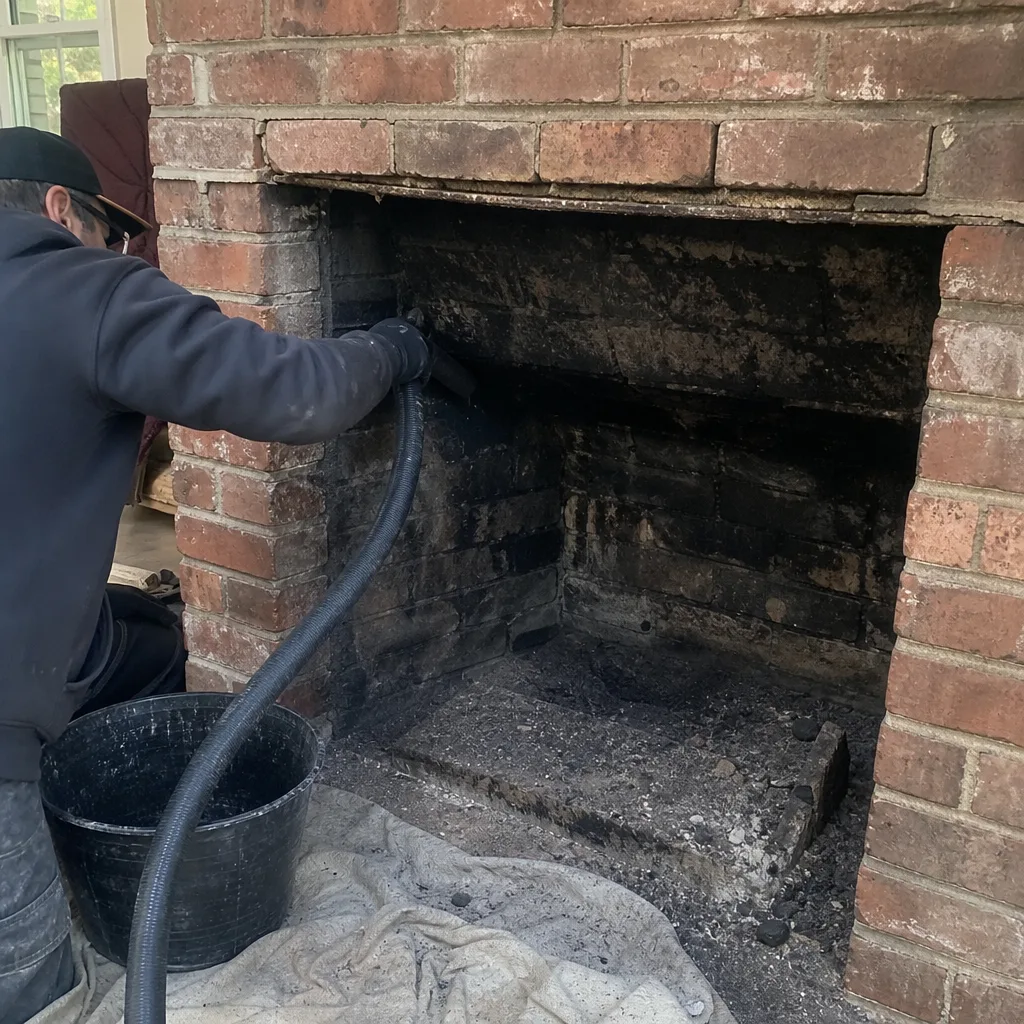 Before
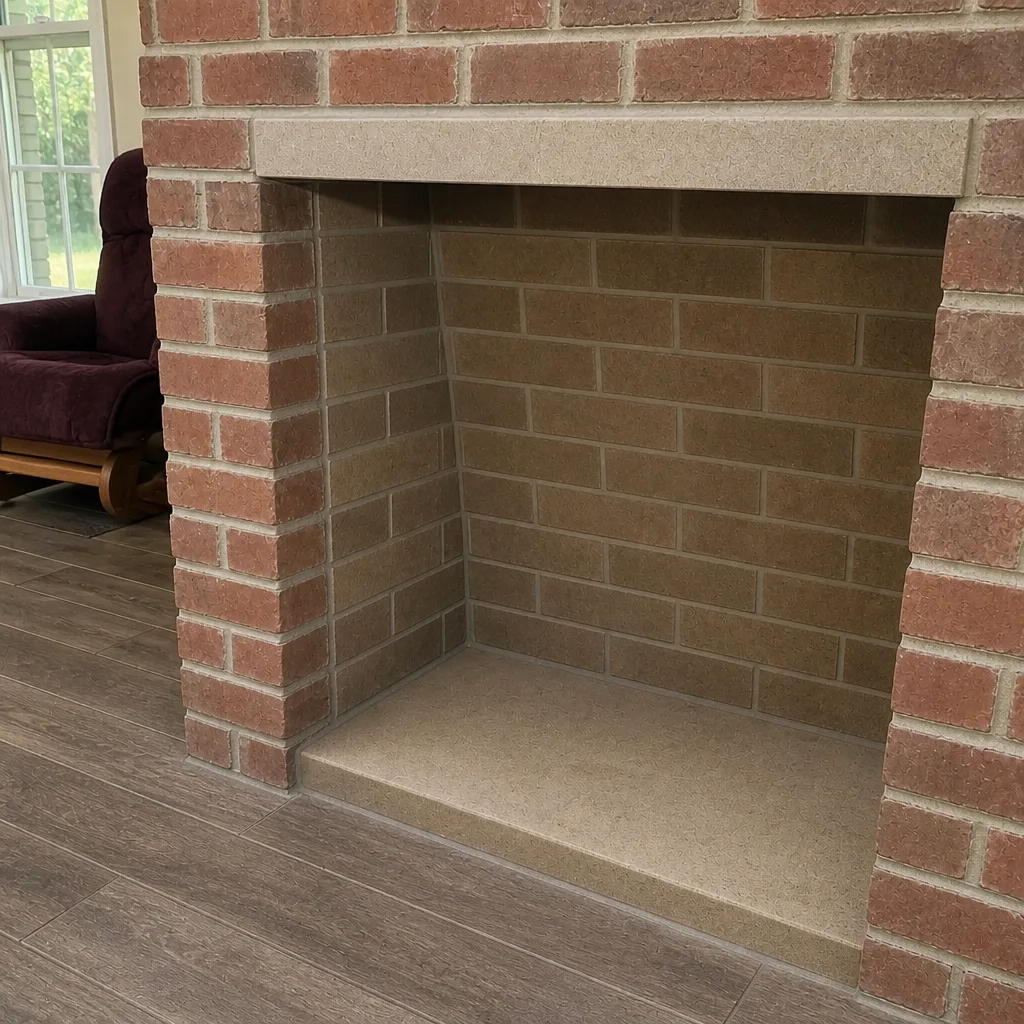 After
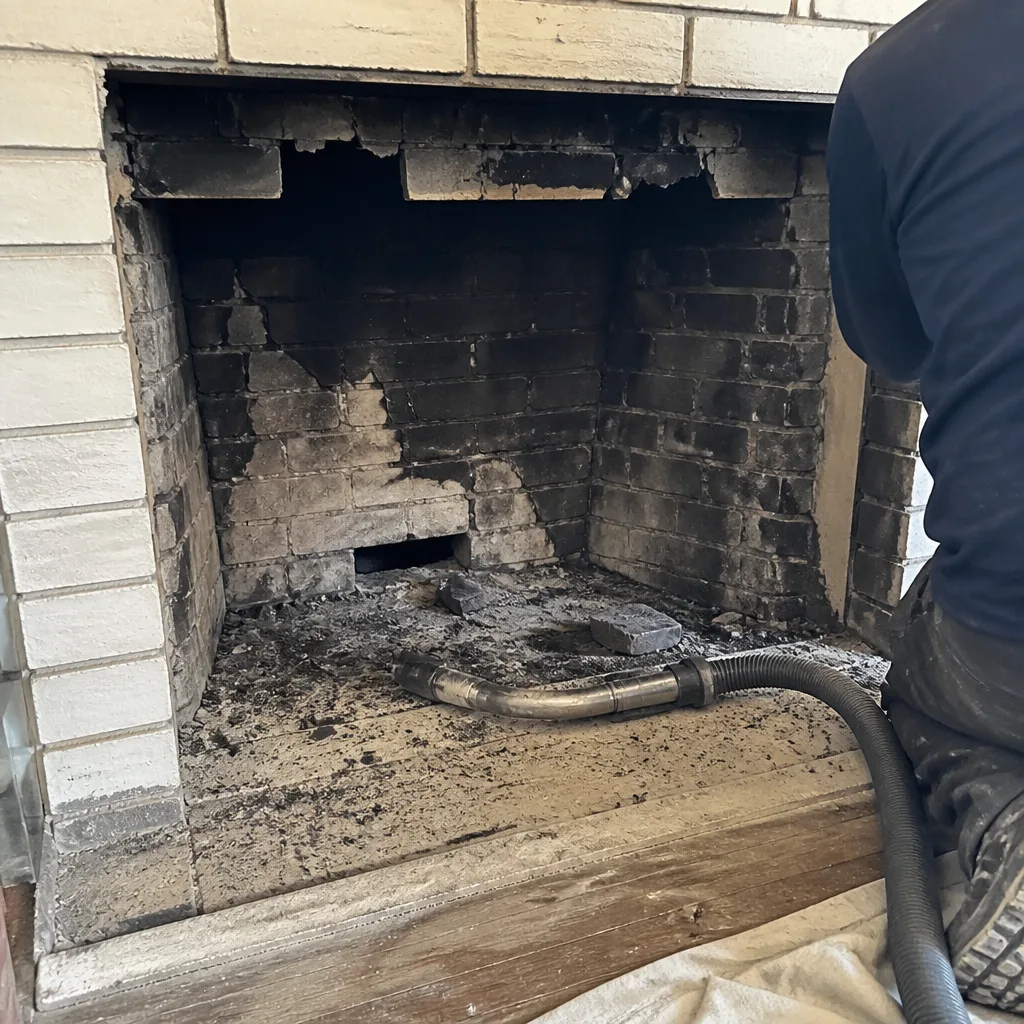 Before
 After
 Before
 After