
Last updated November 25, 2026
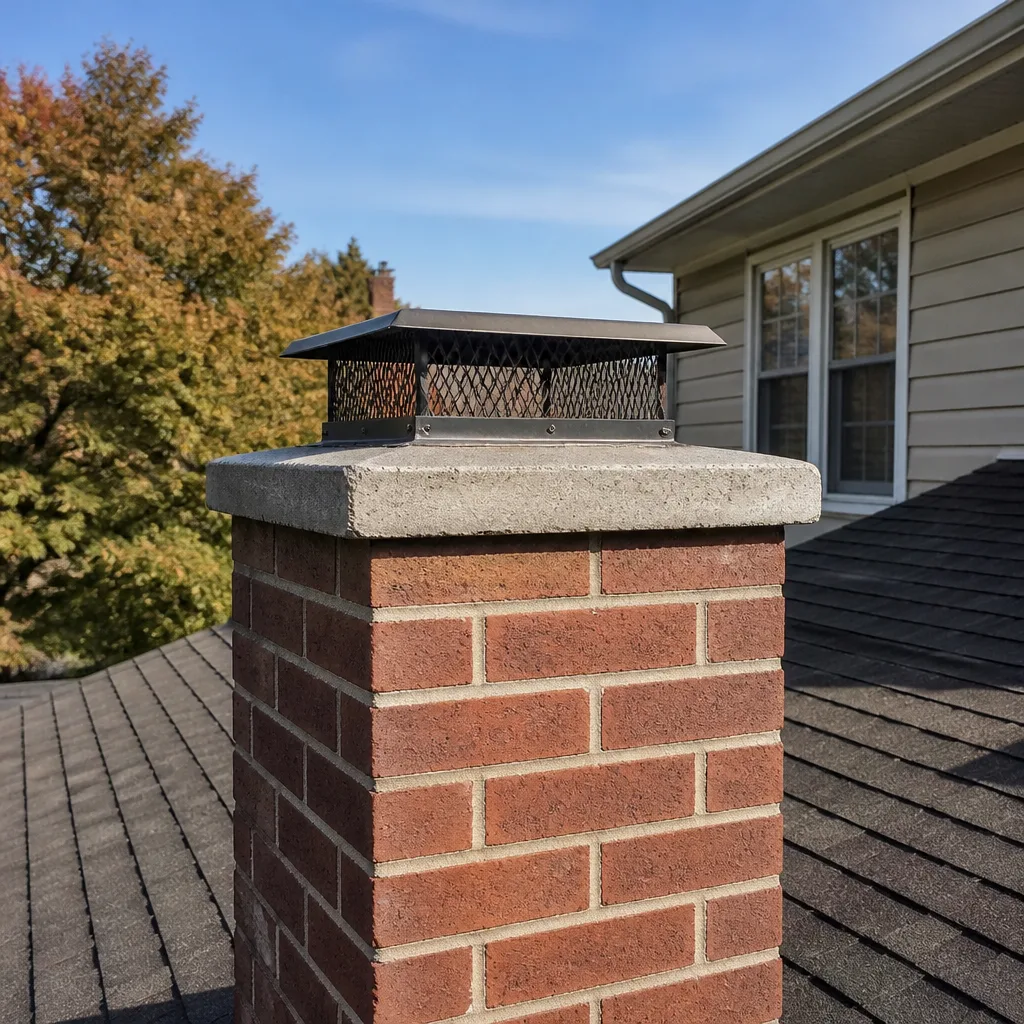 Sweep & inspection
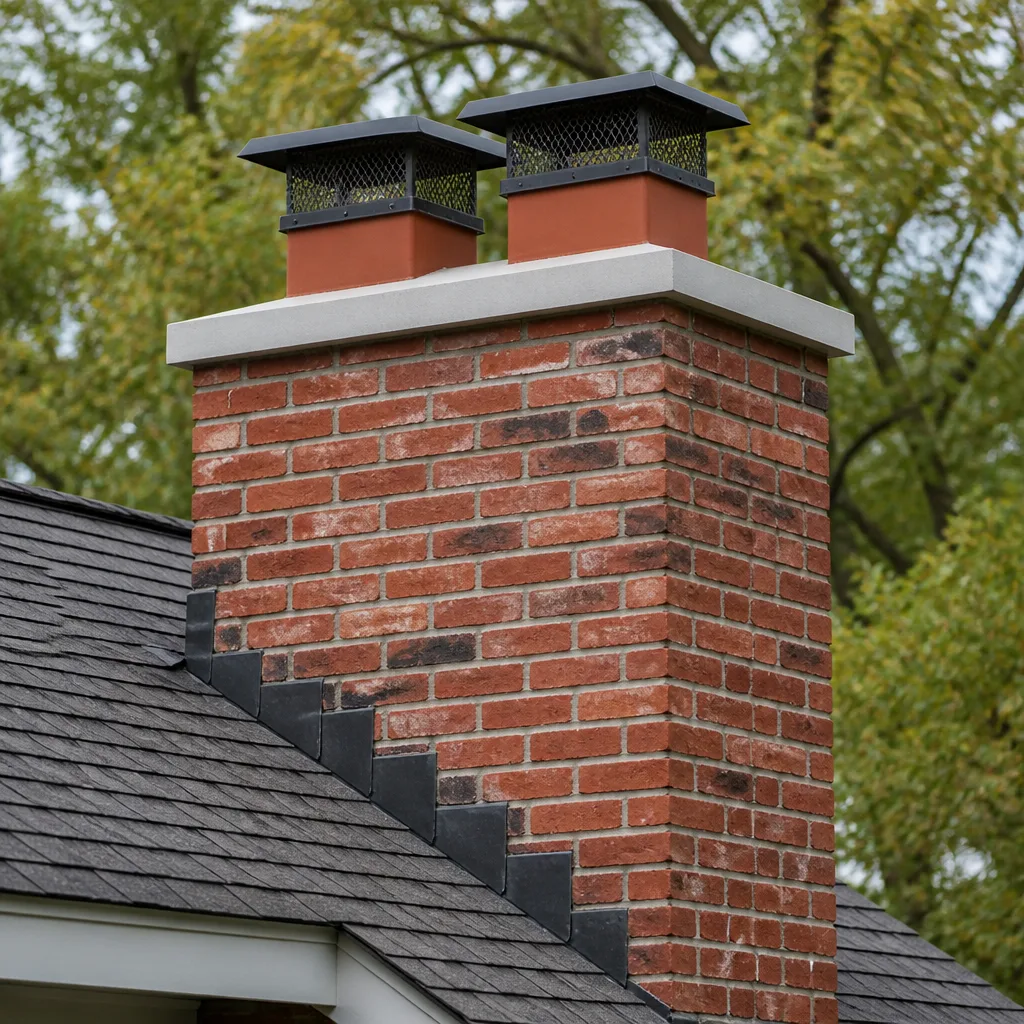 Caps & crowns
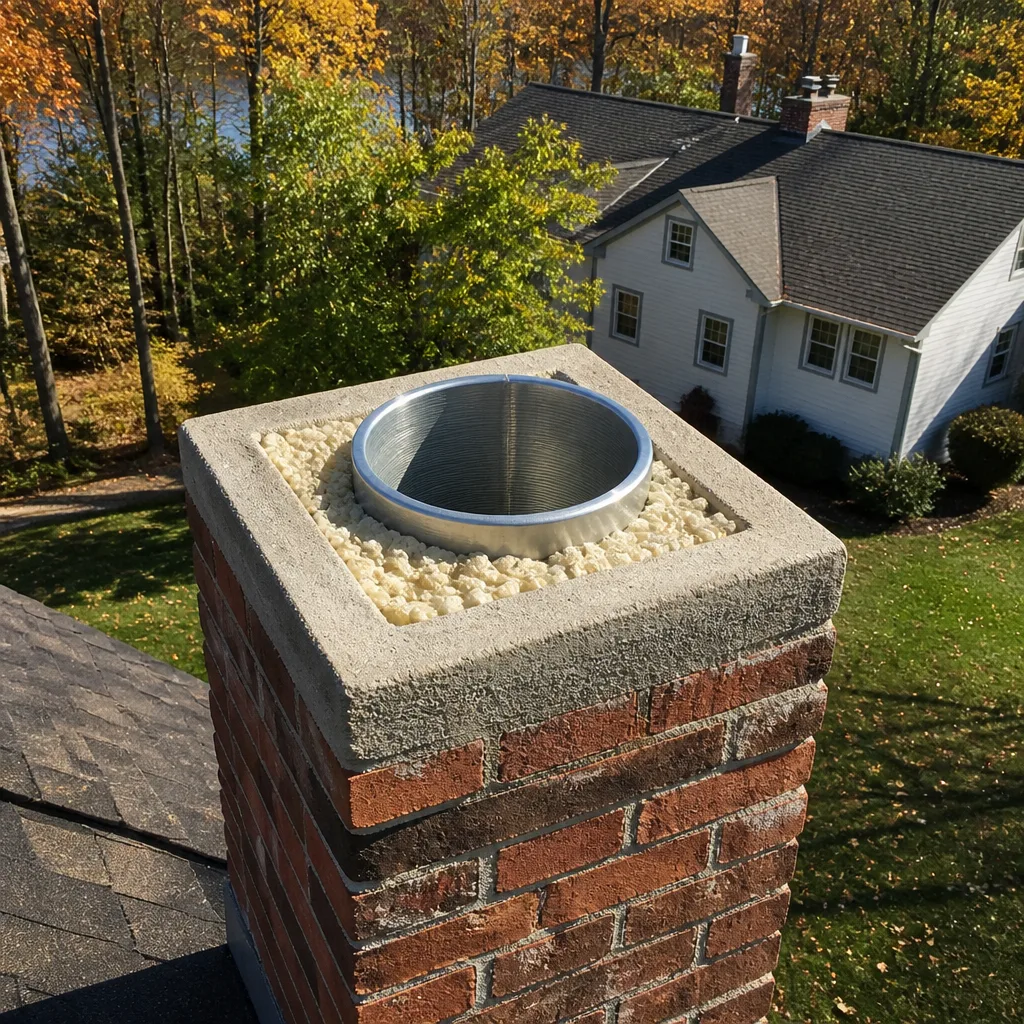 Flue relining
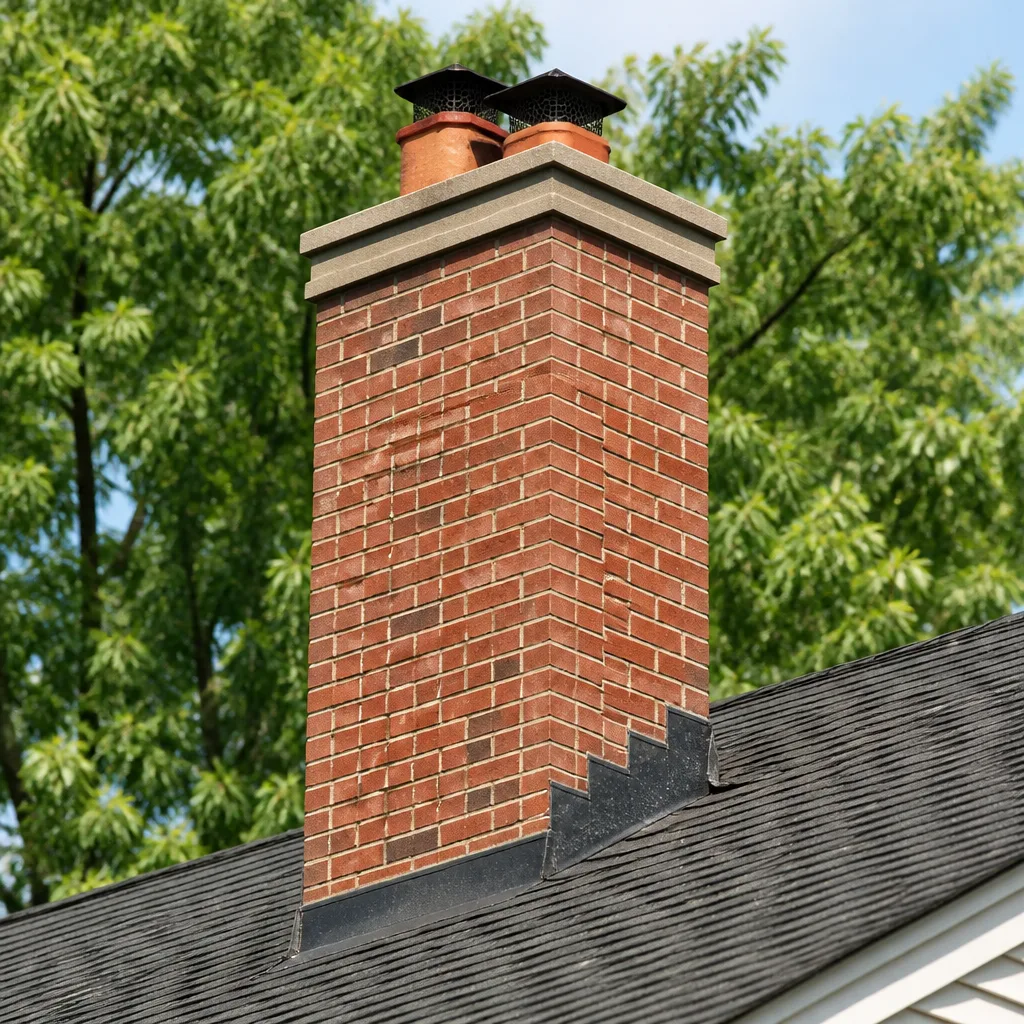 Masonry repair
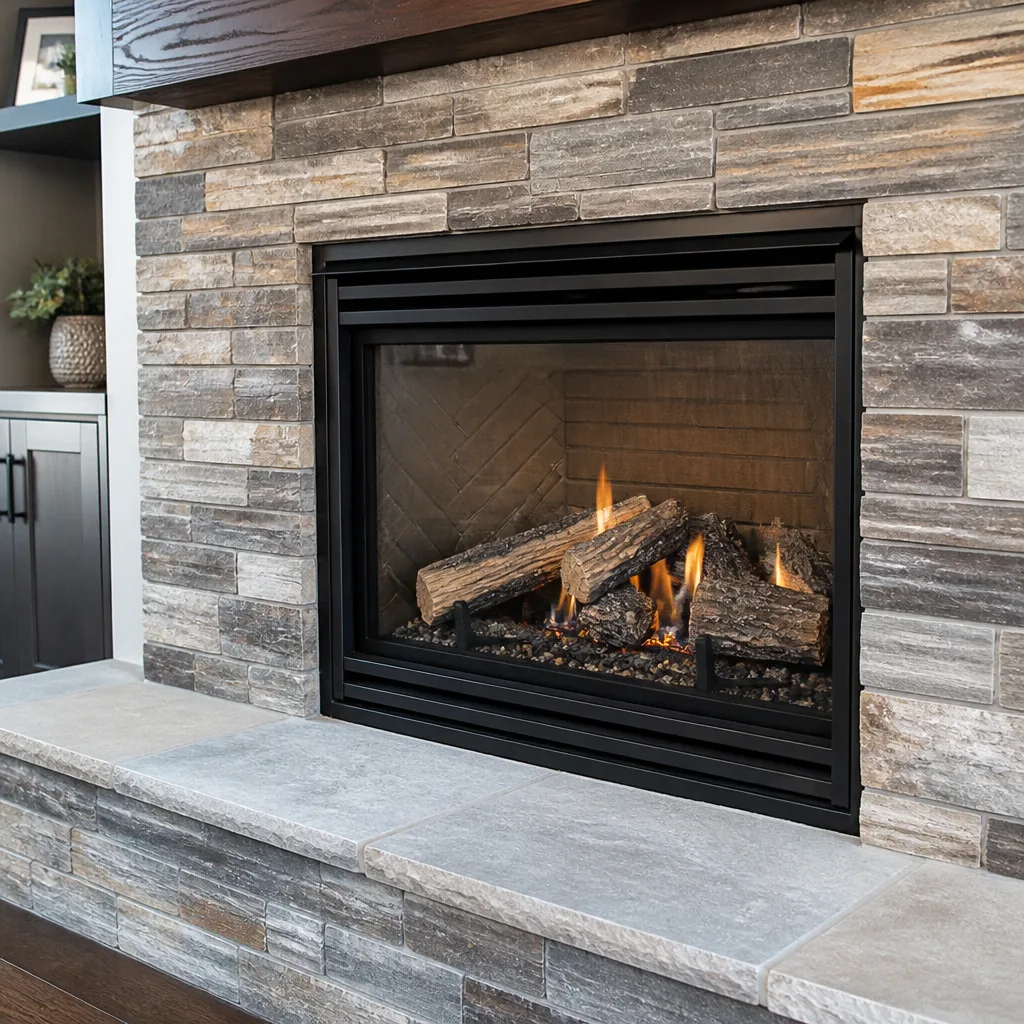 Gas fireplace service
Level 1 sweep and inspection to the NFPA 211 annual standard - flue, crown, cap, and flashing checked and photographed
Chimney sweep logs do not sweep chimneys. They loosen some creosote - which then falls where a brush and vacuum still have to collect it.
The Complete Guide to Chimney Cleaning in Edmonds
Most homeowners in Edmonds think of chimney cleaning as a soot problem. It isn’t. In a wet marine climate like ours, where Edmonds averages over 35 inches of rain a year, the real enemy is moisture, and moisture changes how creosote forms inside your flue. Every drop that finds its way into an uncleaned chimney accelerates how stubbornly creosote bonds to the liner walls, which makes the next cleaning harder and the fire risk higher. It’s a feedback loop that few homeowners ever hear about, and it’s exactly why a system-aware cleaning beats a quick brush-down every time. This guide walks you through what a complete chimney cleaning in Edmonds actually involves, what gets missed, and how to protect your home.
Quick Answer
A complete chimney cleaning in Edmonds goes well beyond sweeping soot from the firebox. It includes a full evaluation of the flue, cap, crown, flashing, and liner, because the Pacific Northwest’s humidity drives creosote and moisture problems that a surface cleaning won’t catch. A proper visit ends with a camera inspection and a written photo report you can keep for insurance and resale. If the flue hasn’t been serviced in a while, book before burning season starts.
Styles & brands we work with
- Sweep & inspection
- Caps & crowns
- Flue relining
- Masonry repair
- Gas fireplace service
Table of Contents
- Why Chimney Cleaning in Edmonds Is Different
- Cleaning Visit vs. Full System Evaluation
- What a Certified Sweep Examines Beyond the Firebox
- How Humidity Speeds Up Creosote Stages
- Why Gas Inserts Still Need Annual Flue Inspections
- The Documentation You Should Always Receive
- Step-by-Step: What a Complete Cleaning Looks Like
- Common Mistakes to Avoid
- When to Call a Professional
- Frequently Asked Questions
Why Chimney Cleaning in Edmonds Is Different
Chimney cleaning in a dry inland climate and chimney cleaning in Edmonds are not the same job. The difference comes down to how much water vapor is in the air and how often it interacts with the interior of a flue. Edmonds sits in a marine climate, which means high humidity most of the year and steady rain through the fall and winter. Those conditions change how creosote forms and how fast it hardens.
When wood burns, it releases water vapor along with smoke. In a dry climate, much of that vapor exits quickly. Here, the ambient humidity means the chimney is already working against moisture, and any leak at the cap or crown gives water more ways in. Once moisture gets into a flue that has even a thin layer of creosote, it can soften the deposit, then let it re-harden into a denser, glazed layer when the next fire is lit. That glazed stage is much harder to remove with a standard brush.
For neighborhoods closer to the water, like the Bowl or near the Edmonds waterfront, chimneys sit in that damp air year-round. Homes up the hill in areas like Seaview or Firdale tend to get more wind exposure, which stresses caps and crowns and opens small leaks. Both conditions point to the same conclusion: a sweep that only removes soot misses what’s actually happening inside the flue.
The practical takeaway is that a chimney cleaning in Edmonds should always be paired with a look at the whole system: how water is getting in, how creosote is behaving, and whether the liner is holding up. That’s the approach that keeps chimneys safe here through the wet months and ready for the burning season.
Cleaning Visit vs. Full System Evaluation
A cleaning visit and a full system evaluation are not the same thing, and knowing the difference helps you ask the right questions when you book. Many homeowners assume a sweep includes everything. It doesn’t.
A basic cleaning visit covers:
- Removing soot and creosote from the firebox and flue
- Clearing the smoke chamber and smoke shelf
- Vacuuming with HEPA equipment to control dust
- A visual check of accessible areas
A full system evaluation goes further. It includes the cleaning, but it treats the chimney as a whole assembly and looks at parts of the system that a generalist typically skips:
- The cap and crown at the top, where water most often gets in
- The flashing where the chimney meets the roof
- The liner, checked with a camera so the interior is actually seen, not guessed at
- The damper and firebox for signs of deterioration
- The masonry and joints for cracks and gaps
For most Edmonds homes, the full system evaluation is the version worth booking. The reason is simple: the most expensive chimney problems here start as small water-intrusion issues at the top of the chimney, and those only get caught when someone actually looks. We inspect before we recommend, and that means nothing gets flagged without camera evidence you can see for yourself. If a previous contractor quoted you a large repair, a full evaluation is how you verify whether it’s really needed.
If you want the deeper look, our chimney sweep service pairs cleaning with a full inspection so you get both in one visit.
What a Certified Sweep Examines Beyond the Firebox
A certified sweep looks at more than the firebox. The firebox is where you see the soot, but it’s not where most problems live. Here’s what we examine when we’re on a job in Edmonds, in the order we typically work:
- The cap. It keeps rain and animals out. A missing or damaged cap is one of the two most common points of water intrusion at the top of a chimney.
- The crown. The concrete top surface sheds water away from the flue. Cracks in the crown let water in and, over time, reach the masonry below.
- The flashing. This is the seal where the chimney meets the roof. When it fails, water runs down inside the chimney chase, and the damage isn’t always visible from the firebox.
- The flue liner. A camera inspection shows the liner’s actual condition: cracks, gaps, or glazed creosote. This is where the fire-safety story usually lives.
- The smoke chamber and shelf. These are the surfaces just above the damper. Turbulence and soot buildup here affects how well the chimney drafts.
- The damper. It should open and close cleanly. A stuck damper is both a draft problem and a safety concern.
- The masonry and joints. Cracks and crumbling mortar are common in older Edmonds homes and show up faster in a wet climate.
A generalist who cleans chimneys as a sideline often stops at the firebox and flue. The cap, crown, flashing, and liner are where the real work is. If those parts aren’t checked, the cleaning may look neat but the chimney’s actual condition stays a mystery.
How Humidity Speeds Up Creosote Stages
Creosote doesn’t form all at once. It builds in stages, and humidity speeds up the progression. Understanding the stages helps you see why a regular cleaning schedule matters more here than in a dry climate.
- Stage 1: Sooty and flaky. This is the lightest stage, a thin dusty deposit that a standard brush removes easily. In a dry climate, a chimney can sit here for a long time between cleanings.
- Stage 2: Crumbly and brittle. The deposit thickens and forms crusty flakes. A brush still works, but it takes more effort and the risk of missing spots goes up.
- Stage 3: Glazed and hardened. This is the dangerous stage. Creosote becomes a hard, shiny, tar-like layer bonded to the liner. A standard brush won’t remove it. Specialty tools and, in some cases, chemical treatment are needed.
In Edmonds, the high humidity and the moisture that seeps in around a cracked crown or missing cap can push a chimney from Stage 1 to Stage 3 faster than a homeowner would expect. The deposit picks up moisture, softens, then re-hardens with the next fire, and each cycle packs it tighter against the liner. That’s the feedback loop we mentioned at the top of this guide.
The practical result: chimneys here benefit from an annual cleaning rather than stretching the interval. If your flue hasn’t been serviced, book before burning season, so the moisture has a chance to dry out and any glazed creosote gets caught before it becomes a bigger repair. Our chimney repair team handles the liner and masonry work that a glazed flue sometimes needs.
Why Gas Inserts Still Need Annual Flue Inspections
Gas inserts produce far less soot than wood fires, so many homeowners assume their chimney needs less attention. The opposite is true in one important way: a gas insert still needs an annual flue inspection, even though it barely produces creosote.
The reasons are specific to gas:
- Moisture and condensation. Gas combustion produces water vapor. In a cool flue, that vapor condenses on the liner walls, and the constant wet-dry cycle in a marine climate like ours can degrade the liner over time.
- Nesting animals and debris. A flue that doesn’t see regular fires is an inviting place for birds and small animals. Blocked flues cause drafting problems whether the appliance is gas or wood.
- Liner condition. A camera inspection catches cracks and gaps that you’d never see from the firebox. A failed liner is a carbon monoxide risk, and that risk exists with a gas insert too.
A gas insert flue cleaning in Edmonds is often less about removing deposits and more about confirming the system is sound. That’s a fifty-dollar check on a much bigger problem: the one you don’t want to find out about after the fact. Book an inspection once a year and you’ll know the liner, cap, and crown are doing their jobs.
The Documentation You Should Always Receive
The paperwork matters as much as the cleaning. After a complete chimney cleaning in Edmonds, you should always receive documentation you can keep. That record answers the questions a future buyer, an insurer, or a chimney sweep will ask.
Here’s what to expect:
- A written report of findings. What was found, in plain language, with the condition of the liner, cap, crown, and flashing noted.
- Camera inspection photos. This is the evidence. You should see the inside of the flue for yourself, not take a technician’s word for it. Nothing gets recommended without photographic evidence you can review.
- A clear recommendation with a date. If something needs repair, the report should say what, and whether it can safely wait until next season or needs attention now.
- A record of the cleaning itself. The date, what was cleaned, and the condition afterward. This is the paper trail that supports your maintenance history.
Why does this matter for resale? Because a homeowner selling an Edmonds property will be asked about the chimney’s condition by a buyer’s inspector. A file with annual photo reports makes that conversation short. For insurance, a documented cleaning history shows the chimney has been maintained, which matters if a claim ever involves a fire. Keep the reports. They’re the least expensive part of chimney care and the most useful.
Step-by-Step: What a Complete Cleaning Looks Like
Here’s what a complete chimney cleaning involves, from the moment we arrive to the moment we hand you the report. We work in this order because it’s the order that catches problems before they’re covered up by cleaning.
- Inspect the top first. Cap, crown, and flashing get checked before anything inside is touched. Water damage at the top is the most common problem in Edmonds, and it’s easiest to spot on the roof.
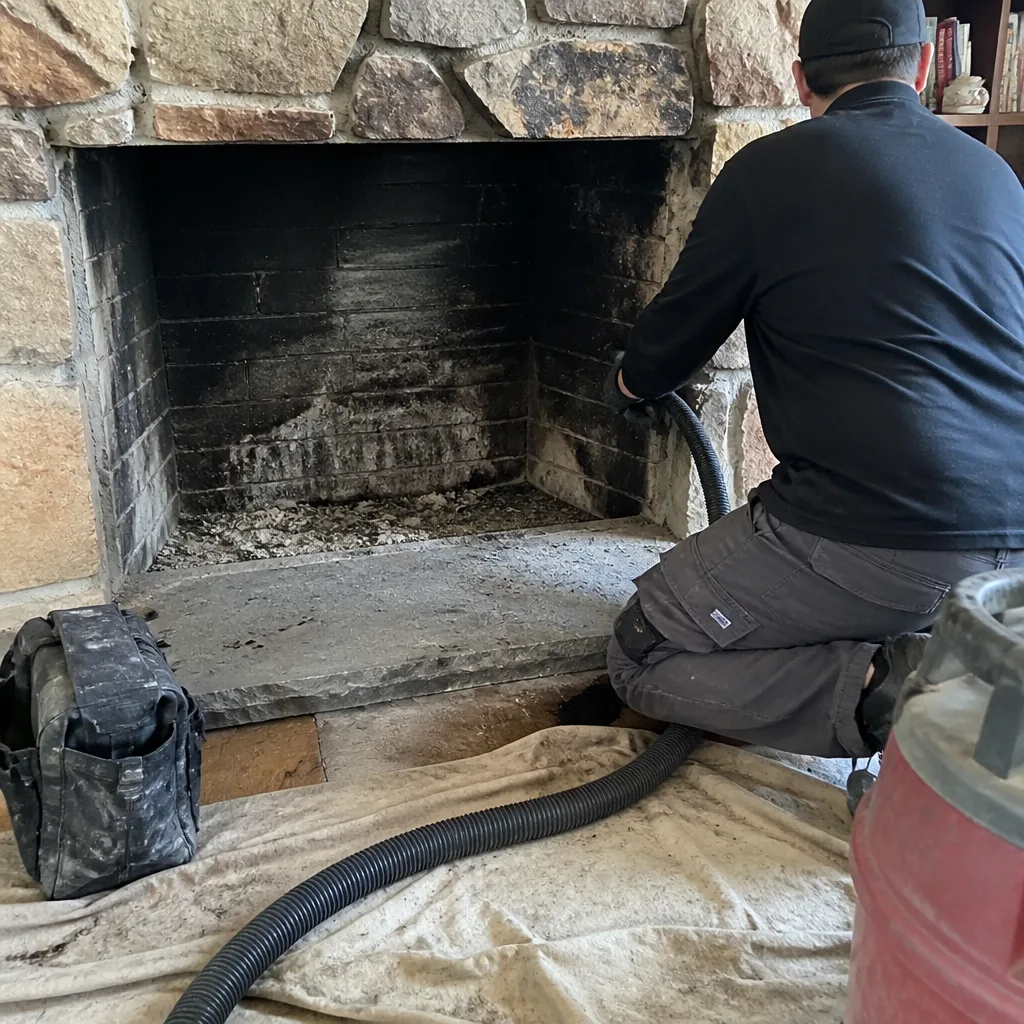
- Set up dust control. Drop cloths and a HEPA vacuum. The goal is no dust in your living room.
- Clean the firebox and flue. Brush the flue and clear the smoke chamber and shelf, so the whole passage is clean, not just the visible parts.
- Run the camera. A camera inspection reveals the liner’s real condition, cracks, gaps, or glazed creosote. This is where we earn the right to recommend anything.
- Check the damper and firebox structure. Confirm everything operates and note any deterioration.
- Review findings with you. We show the photos and explain what needs attention, and what can wait. Repair options are laid out honestly.
- Hand over the written report. Findings, photos, and recommendations, so you have a record for insurance and resale.
When repairs are needed, we handle them in the same visit where possible: cap and crown installation for water intrusion, fireplace repair for damper and firebox issues, and liner work when the inspection finds a problem. For qualifying chimneys, HeatShield resurfacing can restore a compromised flue liner without a full replacement, and DuraFlex flexible liner systems handle relining when a new liner is the right answer. One crew, start to finish, from the firebox to the crown.
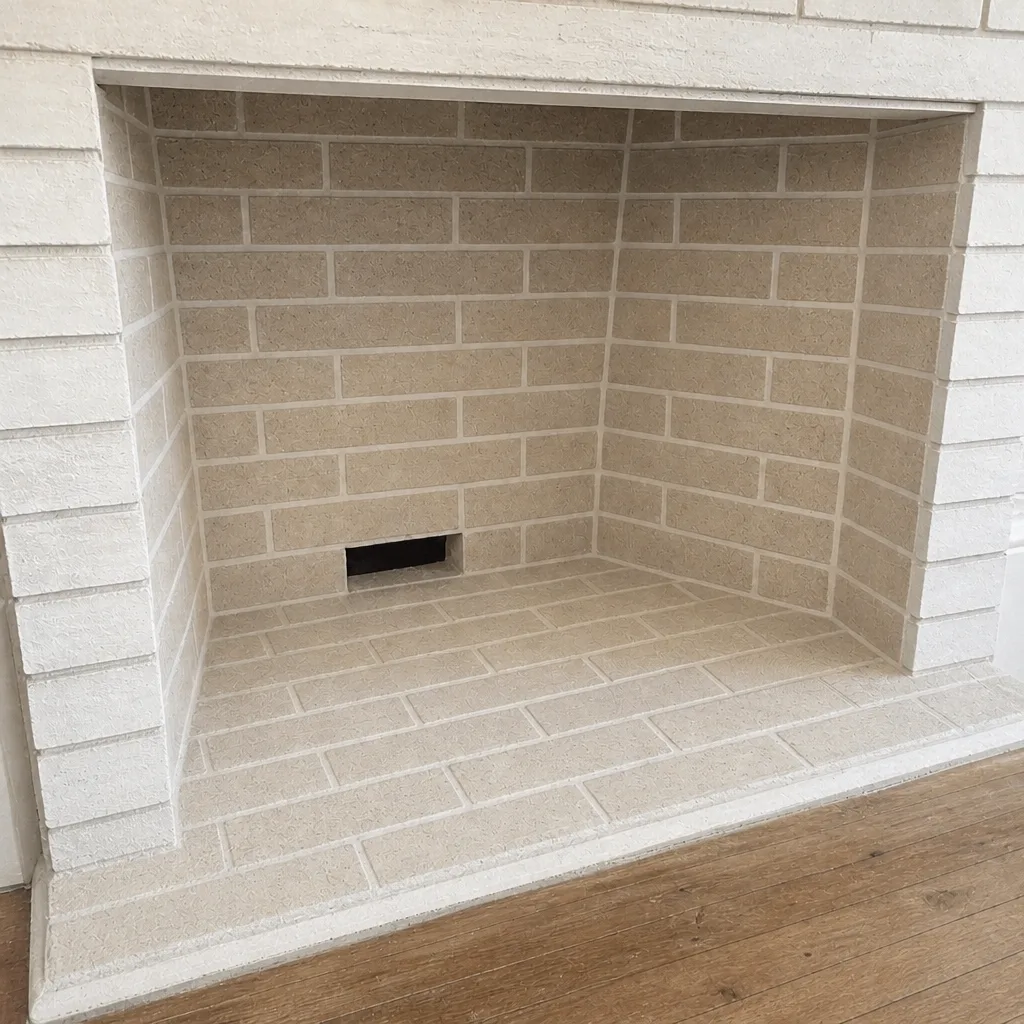
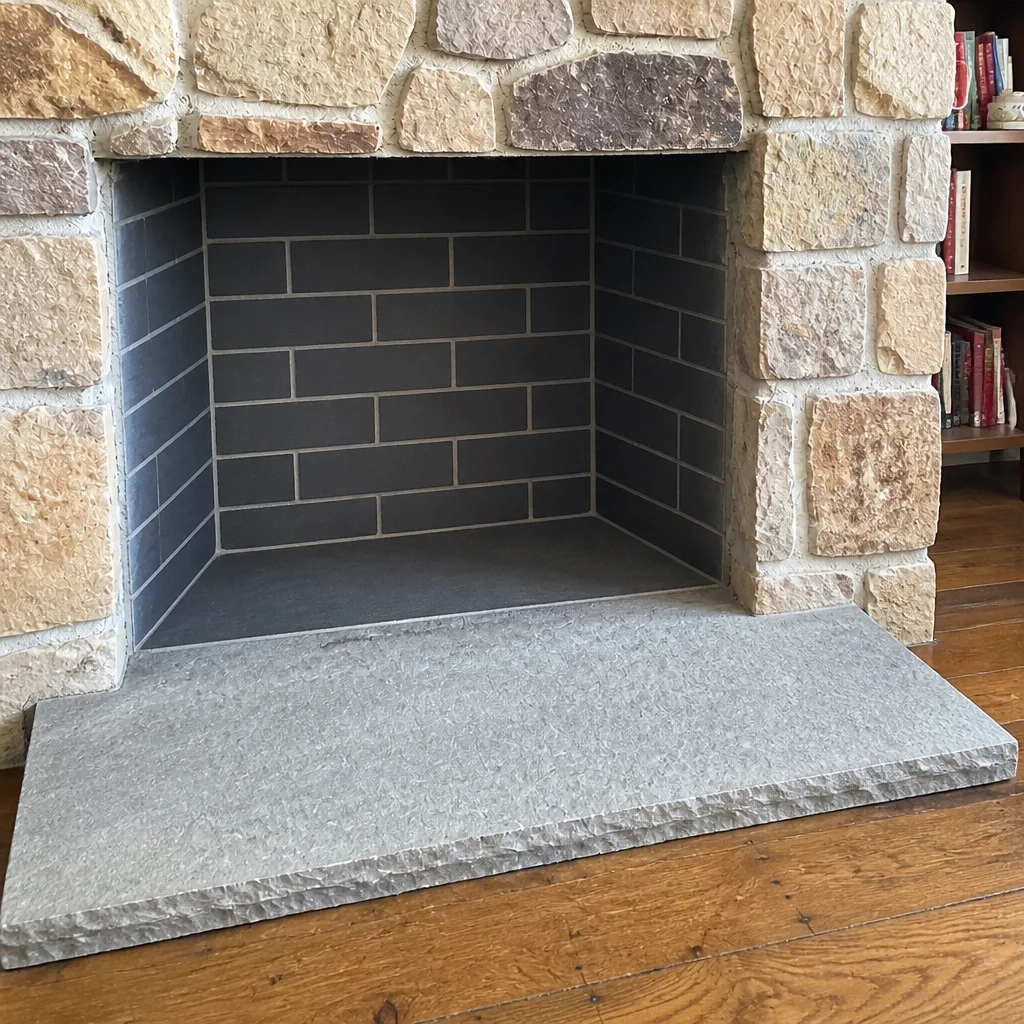
See the difference
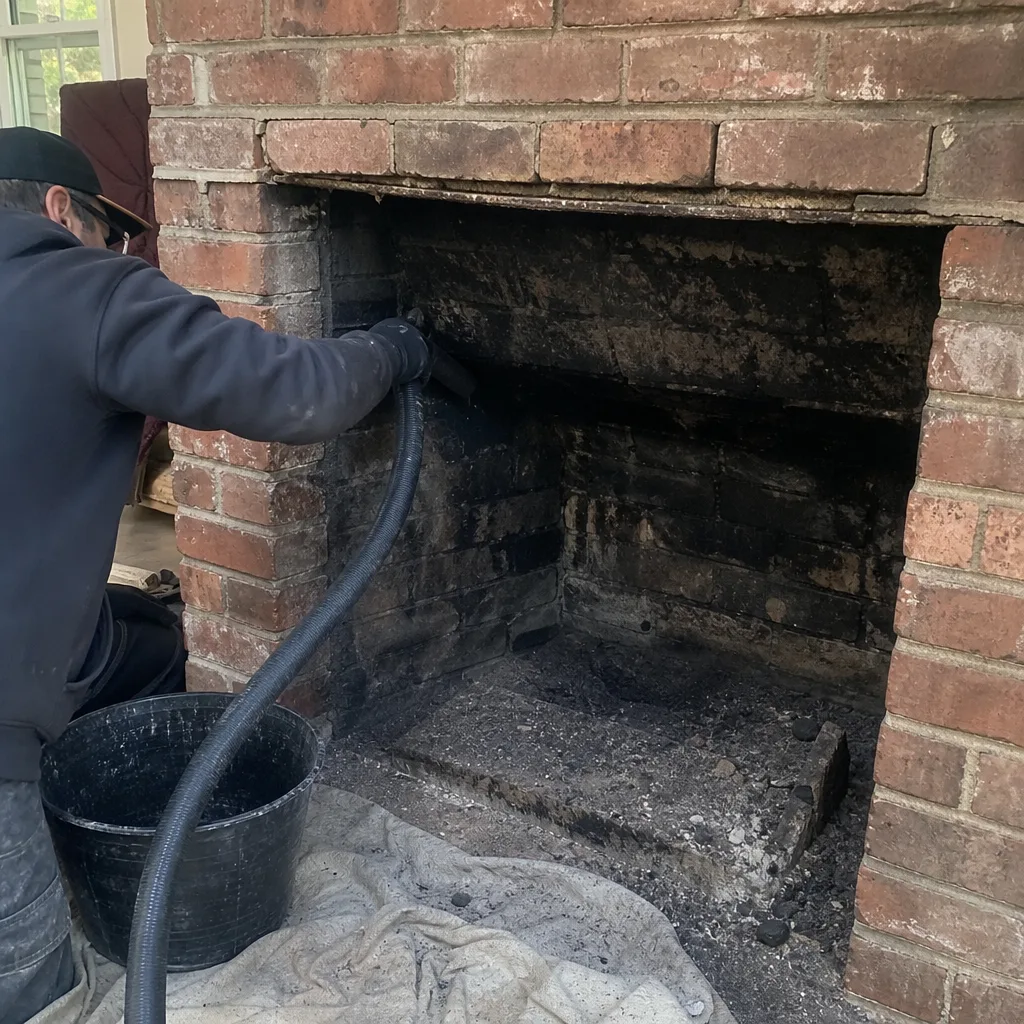 Before
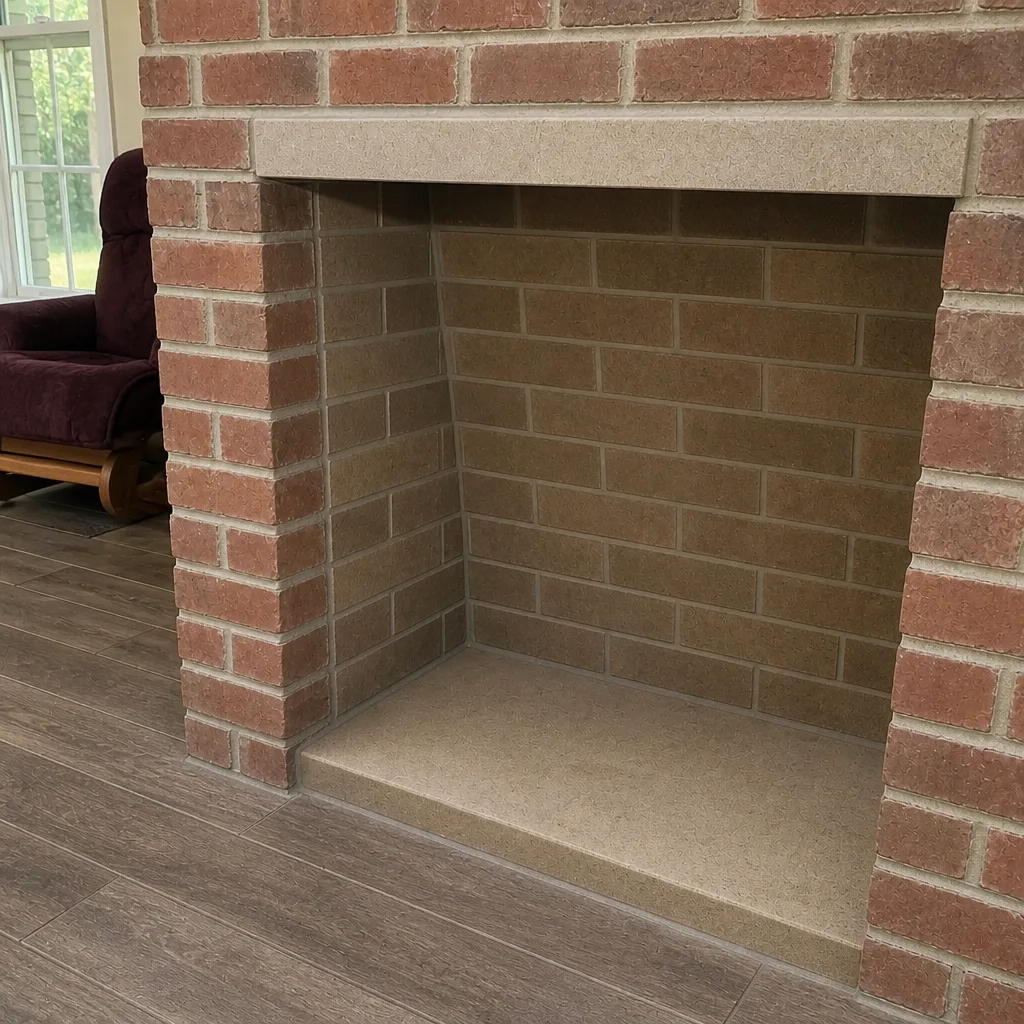 After
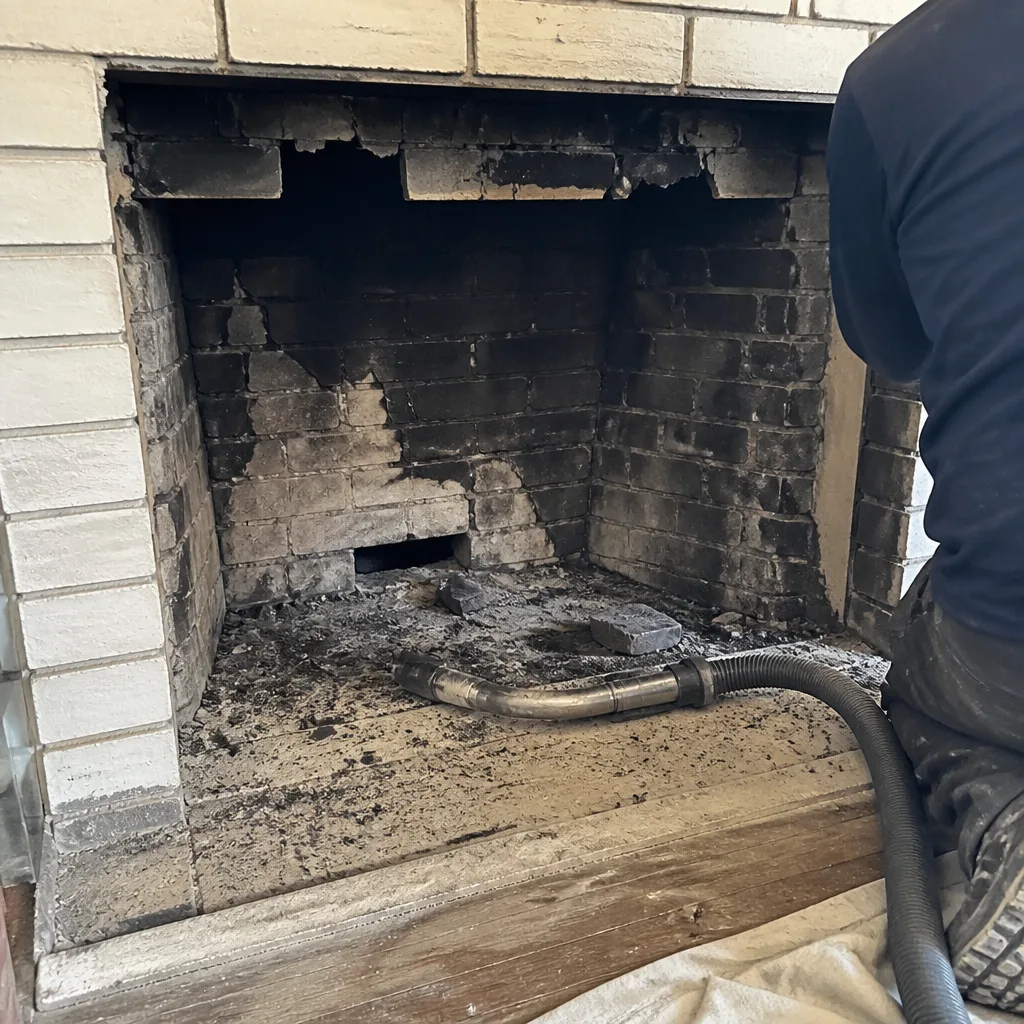 Before
 After
 Before
 After
Common Mistakes to Avoid
- Treating a sweep as a soot-only job. If a cleaning doesn’t include a look at cap, crown, flashing, and liner, it’s not a complete service. In Edmonds, those are exactly the parts that suffer in a wet climate.
- Waiting for a visible problem. Creosote glazes inside the flue where you can’t see it. The wet-dry cycle here can push deposits to Stage 3 before anything shows at the firebox.
- Skipping annual inspections on a gas insert. Low soot doesn’t mean low risk. Moisture, nesting animals, and liner cracks are all reasons to check a gas flue once a year.
- Accepting a repair quote without camera evidence. A repair recommendation should always come with photos of the actual finding. If you can’t see it, ask to.
- Ignoring a cracked crown or missing cap. These are the two most common points of water intrusion at the top of a chimney. A small fix now prevents masonry damage later.
- Throwing out the report. A documented cleaning history helps at resale and with insurance. Keep each written report and its photos.
- Stretching the cleaning interval. In a marine climate, the moisture cycle makes annual cleaning the safer default, especially for wood-burning fireplaces in damp neighborhoods like the Bowl or along the waterfront.
When to Call a Professional
Some chimney work is a job for a trained professional, not a weekend project. Call us if you’re booking your first cleaning before burning season, if a previous contractor quoted you a liner replacement or masonry repair and you want it verified with camera evidence, if your flue hasn’t been serviced in years, or if you’ve moved into a new Edmonds home and don’t know the chimney’s history. Call us if you notice a cracked crown, a missing cap, or signs of water inside the firebox. High-tension work, liner replacement, and structural repair should always be handled by a trained specialist: the risks are fire and carbon monoxide, and those are not worth a shortcut.
Chimney Sweep Edmonds offers free estimates in Edmonds. Call (855) 726-7158. We answer 24/7. Fast dispatch from 7am to 7pm, Sunday through Friday. Our technicians have up to 14 years of experience, and we work with professional-grade materials from brands the trade relies on. And because we inspect before we recommend, you’ll always know why a repair is needed, in photos you can see for yourself.
Frequently Asked Questions
Chimney sweep pricing in Edmonds is set per job by a written estimate, and the estimate itself is free. Because a complete cleaning here includes a camera inspection, the cap and crown check, and a written photo report, the estimate reflects the full scope rather than a bare brush-down. Call (855) 726-7158 for an exact quote.
Once a year is the safe default in a marine climate like Edmonds, where humidity and rain accelerate creosote hardening and moisture intrusion. A wood-burning fireplace in a damp neighborhood may need annual cleaning even if the firebox looks clean. Call (855) 726-7158 to book before burning season, and fast dispatch from 7am to 7pm, Sunday through Friday, gets you on the schedule.
Only if the camera inspection shows the liner is cracked, gapped, or coated in glazed creosote the brush can’t remove. Nothing gets recommended without photographic evidence you can see for yourself, and sometimes HeatShield resurfacing restores a liner without a full replacement. Ask to see the footage before you decide. Call (855) 726-7158 and we’ll walk you through what your inspection shows.
Creosote keeps building and hardens into the glazed stage, which raises the risk of a chimney fire and makes the next cleaning far harder. In a wet climate, moisture seeping past a cracked crown or missing cap works its way into the masonry and liner. None of this is meant to scare you; it’s the reason annual cleaning is cheaper than the repair that follows. We’ll say plainly when something can safely wait. Call (855) 726-7158 for a free estimate.
Yes, once a year. Gas inserts produce less creosote but you still need the flue checked for condensation damage to the liner, blocked flues from nesting animals, and carbon monoxide risk from a failed liner. An annual inspection in Edmonds confirms the whole system is sound, and the estimate is free. Call (855) 726-7158.
Yes. Cap and crown installation addresses the two most common points of water intrusion at the top of a chimney, and flashing repairs handle the seal where the chimney meets the roof. Both are part of the cap and crown work we handle on the same visit as the cleaning when we can. Call (855) 726-7158 for a free estimate.
The Bottom Line
Chimney cleaning in Edmonds is a whole-system job, not a soot job. The Pacific Northwest’s humidity drives creosote into its glazed stage faster and pushes moisture through cracks in the crown, the flashing, and the cap. A complete cleaning here means a camera inspection, a written photo report, and honest recommendations with evidence you can see. Book before burning season, keep your reports for insurance and resale, and don’t skip annual inspections on a gas insert. From the firebox to the crown, the goal is a chimney built to last, not patched to pass.
Ready to book? Call (855) 726-7158 for a free estimate. We answer 24/7. Fast dispatch from 7am to 7pm, Sunday through Friday.
Written by the team at Chimney Sweep Edmonds.